Table of Contents
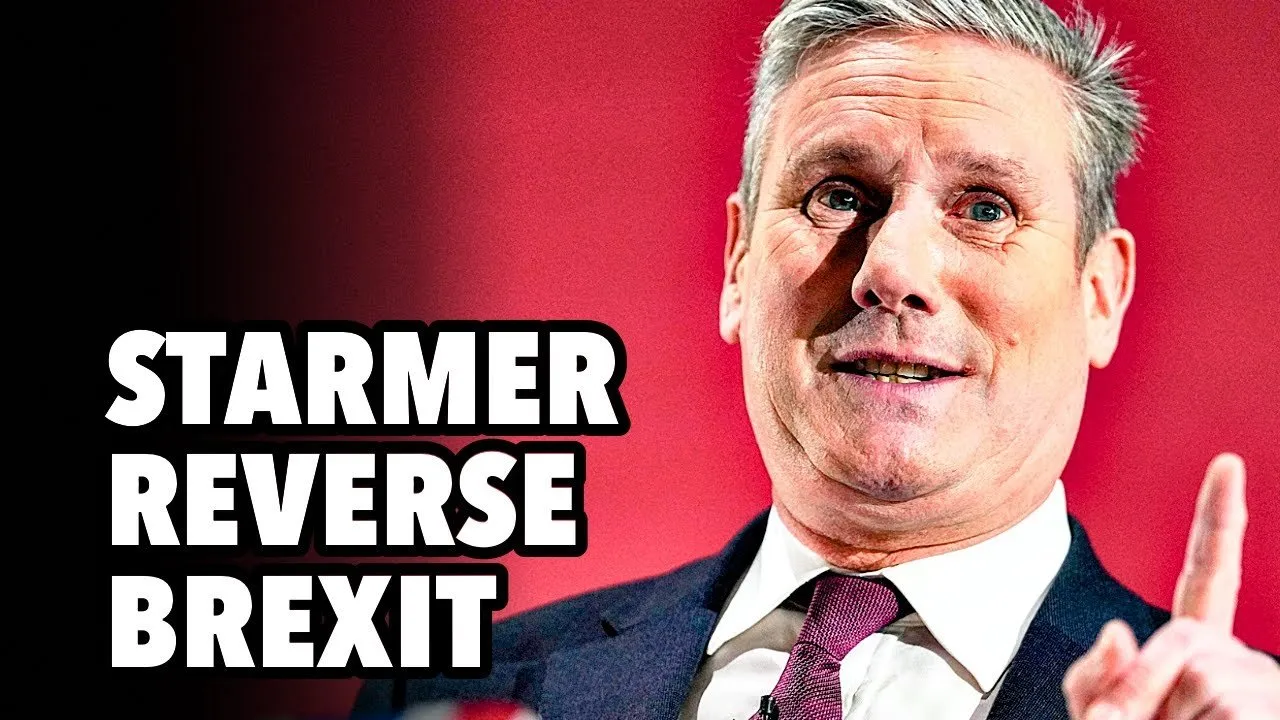
UK Prime Minister Keir Starmer faces unprecedented political challenges as his Labour government continues its gradual drift back toward the European Union. Despite Reform Party leading in polls at around 30%, Starmer is accelerating policies that effectively reverse Brexit by stealth, creating significant implications for British farmers, the fishing industry, and the nation's technological independence.
Key Takeaways
- Labour is polling third behind Reform Party and Conservatives, with both major parties under 20% support
- The UK has readopted EU agricultural standards and rejoined the Erasmus student program
- British farmers face inheritance tax changes and EU regulations they cannot influence
- Fishing rights have been negotiated away with little apparent benefit to the UK
- The US has paused a $40 billion technology agreement due to Britain's return to EU regulatory frameworks
Political Landscape: Reform Party Surges as Labour Stumbles
The current political situation in Britain represents a dramatic shift from traditional party dynamics. Reform Party, led by Nigel Farage, has maintained steady polling around 30% for several months, while both Labour and Conservative parties struggle with unprecedentedly low approval ratings below 20%.
This represents extraordinary polling figures for any government at this stage of its tenure. Despite attempts by publications like The Guardian to damage Farage's reputation with decades-old stories, Reform's support remains stable, suggesting a fundamental realignment in British politics.
Labour's Response Strategy
Unable to replace Starmer due to internal disagreements over succession, the Labour Party is attempting to shore up support by appealing to its pro-EU base, estimated at 15-20% of the British electorate. This strategy involves accelerating reintegration with European Union structures and regulations.
Agricultural Crisis and EU Regulatory Alignment
British agriculture faces an unprecedented crisis that extends far beyond political maneuvering. According to recent Financial Times reporting, farming in Britain has become a loss-making proposition, with farmers unable to profit from food production due to soaring energy and fertilizer costs linked to the Ukraine conflict.
Impact of EU Standards Readoption
The decision to readopt EU agricultural standards means British food production will once again be regulated by Brussels, despite Britain having no vote or influence over these regulations. This creates several significant problems:
- Farmers must comply with rules they cannot influence
- Regulations may become increasingly burdensome over time
- Free trade negotiations with other agricultural producers become more difficult
- Britain returns to a position worse than EU membership, having regulatory burden without representation
Inheritance Tax Changes Hit Farming Families
The removal of inheritance tax exemptions for farmers compounds existing difficulties. British farmers are typically land-rich but cash-poor, making inheritance tax particularly problematic for family farm succession. This policy threatens the viability of multi-generational farming operations across the country.
Fishing Rights and Technology Concessions
Britain's historical fishing rights have been significantly compromised through recent negotiations, with exclusive fishing zones around British waters essentially negotiated away with little apparent return. While the British fishing fleet has already diminished substantially, this remains highly controversial in coastal communities that traditionally voted Labour.
Technology Partnership Consequences
Perhaps most significantly, the United States has paused a major $40 billion technology and AI partnership with Britain. This pause directly results from the UK's decision to accept EU regulatory frameworks for technology and science, eliminating the competitive advantage that initially attracted American investment.
The whole point about that big deal, the big American investment was that Britain was not going to be subject to EU regulations in technology and science. Well, of course, now we are.
This represents a strategic shift away from partnership with the world's leading technology superpower toward alignment with a European Union that acknowledges its own technological deficiencies in AI and social media platforms.
The Single Market Drift
The trajectory toward single market reintegration appears unmistakable, with each policy decision representing another step back toward pre-Brexit arrangements. Key developments include:
Erasmus Program Reinstatement
Rejoining the Erasmus student exchange program proved popular with middle-class remain voters, though questions remain about whether this represents a financial loss for Britain due to more EU students studying in the UK than British students studying abroad.
Regulatory Alignment Across Sectors
Beyond agriculture and technology, Britain increasingly accepts European rules across multiple sectors. This creates the exact scenario warned about during Theresa May's tenure: Brussels regulating the British economy without Britain having any say in those regulations.
Notably, British travelers still cannot use EU e-gates at airports, unlike visitors from Australia and other non-EU countries, suggesting the EU maintains restrictions while Britain makes concessions.
Strategic Implications and Future Outlook
The current approach appears to benefit EU interests more than British ones. The European Union gains regulatory control over a major economy without the disruption that British membership historically created in Brussels. As one observer noted, this gives the EU "the best of both worlds" - economic control without political interference.
Reform Party's Opportunity
While Nigel Farage has yet to fully capitalize on these developments, the trajectory provides significant political ammunition for Reform Party campaigns. Working-class voters who support Reform historically oppose programs like Erasmus and are likely to react negatively to stealth EU reintegration.
Media Narrative Challenges
Pro-remain media continues promoting the narrative that Britain's economic problems stem from Brexit rather than factors like the Ukraine conflict's impact on energy costs, sanctions effects, or other policy decisions. This messaging resonates with the core pro-EU constituency that believes returning to European structures will restore prosperity.
Conclusion
Starmer's strategy represents a calculated political gamble: sacrificing British sovereignty and economic independence to maintain relationships with European leaders and shore up support among pro-EU voters. However, with Labour polling in third place and facing an unprecedented electoral challenge from Reform Party, this approach may accelerate rather than prevent political decline.
The fundamental contradiction remains stark - Britain is accepting EU regulatory control while gaining minimal tangible benefits, all while turning away from partnerships with economically dynamic allies like the United States. Whether this strategy can survive the political and economic pressures of the next three years remains highly questionable, particularly as the full implications of these concessions become apparent to British voters.
The direction of travel toward EU reintegration appears clear, but the political costs may prove far higher than anticipated, potentially delivering exactly the electoral outcomes Starmer hoped to avoid.

![What Happens to Crypto Now? [No Reserve. No Clarity. David Sacks Is Out]](/content/images/size/w1304/format/webp/2026/03/what-happens-to-crypto-now-david-sacks-exit.jpg)