Table of Contents
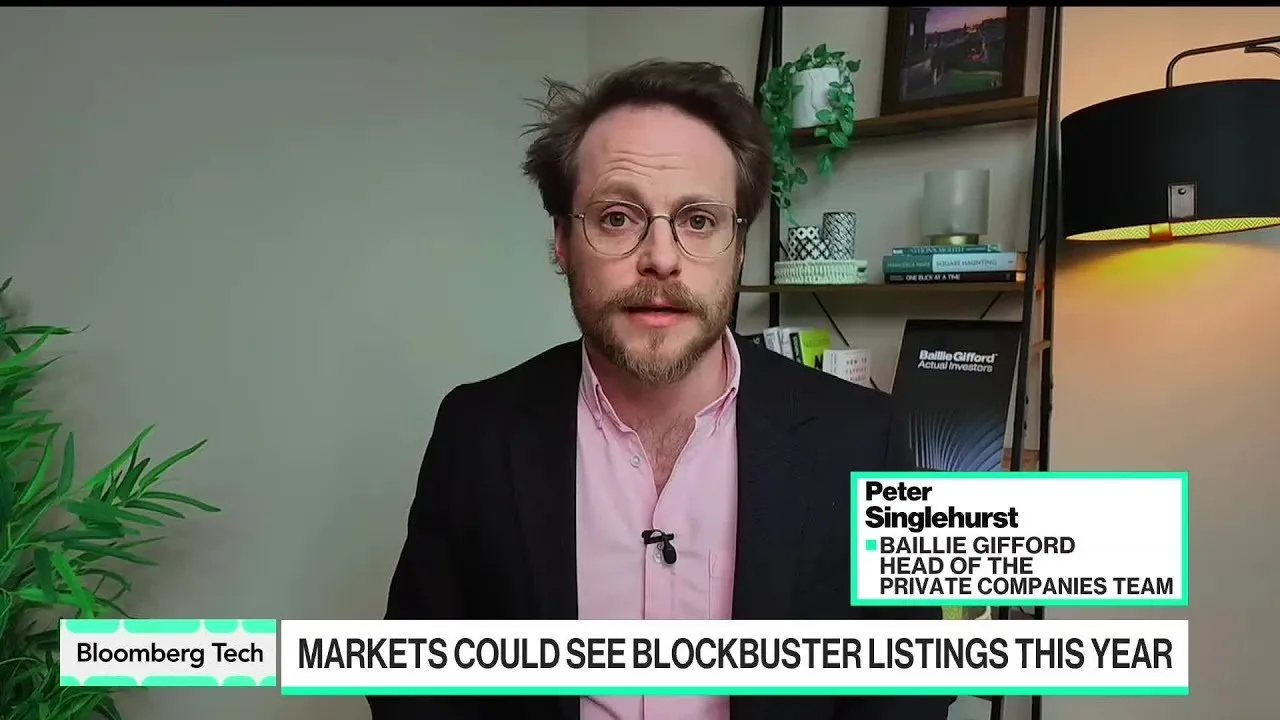
SpaceX’s recent integration of the artificial intelligence firm xAI marks a pivotal shift in the aerospace giant’s strategy, signaling an ambition to leverage space-based data centers as the next frontier for its deflationary launch technology. This corporate consolidation, occurring alongside a broader trend of private market liquidity for companies like Anthropic and Stripe, highlights a robust appetite for high-capital expenditure ventures led by industry titans like Elon Musk.
Key Points
- Strategic Synergy: SpaceX aims to apply its cost-reduction model—historically successful in orbital launches—to the development of space-based data centers.
- Financial Strength: SpaceX’s profitability and strong cash flow provide the necessary backing to absorb the significant capital requirements and debt burden inherent in xAI.
- Private Market Maturation: Large-scale secondary transactions are enabling employees and early shareholders to realize gains, reducing the immediate pressure for mega-cap IPOs while companies stay private longer.
- Culture as Capital: Institutional investors are increasingly viewing a company’s internal values, such as Anthropic’s focus on AI safety, as a long-term performance indicator rather than just an ethical stance.
The Strategic Integration of SpaceX and xAI
The acquisition of xAI by SpaceX is being framed not as a typical tech merger, but as a vertical integration play. By drastically lowering the cost of orbital launches, SpaceX has established a precedent similar to Moore’s Law in computing. According to industry analysts, the logical evolution of this cost-efficiency is the deployment of data centers in space. While the concept remains speculative, the alignment allows SpaceX to support high-intensity computing requirements through its existing infrastructure.
Addressing concerns regarding xAI’s cash burn and the potential financial strain on SpaceX, observers note that the parent company’s financial health is unique in the sector. Unlike startups that rely solely on external funding, SpaceX maintains the cash flow stability required to underwrite high-capEx innovations.
"If any business is going to take on a company that has those necessary CapEx requirements, it needs to be a company that’s in a very robust financial position. SpaceX is in a privileged position of having not only a very strong balance sheet, but having strong profitability and cash flow dynamics."
Evolving Dynamics in Private Markets
Beyond the Musk-led ecosystem, the broader private market is undergoing a structural change. Rather than forcing companies toward public markets to provide liquidity for early investors and employees, many high-growth firms are opting for large-scale secondary transactions. Companies such as Databricks and Stripe are successfully managing share supply and demand, allowing them to remain private longer while still providing financial exits for internal stakeholders.
This "stay private longer" trend is supported by an active primary capital environment, where companies continue to raise billions of dollars to fuel market expansion. This approach mitigates the "overhang" or volatility often associated with immediate IPOs, creating a more controlled transition into the public sphere.
Corporate Culture as a Competitive Moat
The dialogue surrounding Anthropic and its relationship with the U.S. Department of Defense underscores a shift in how investors evaluate intangible assets. Rather than framing AI safety as a philosophical "moral high ground," market participants are increasingly viewing it as a component of an "effective culture."
For investors, the willingness of a leadership team to make difficult, culturally-congruent decisions is a signal of institutional longevity. As Anthropic navigates complex regulatory and government landscapes, these internal safety standards are viewed as essential to the company’s ability to "survive and thrive in the long term."
Looking Ahead
The trajectory for these organizations remains focused on execution and growth rather than immediate public listings. As SpaceX continues to distance itself from competitors in the frequency and volume of orbital launches, and as AI firms refine their business models to suit both commercial and defense requirements, the "interconnected web" of these high-growth entities will likely become a dominant theme in market performance. Shareholders should continue to look for evidence of operational scaling as the primary driver of long-term returns.