Table of Contents
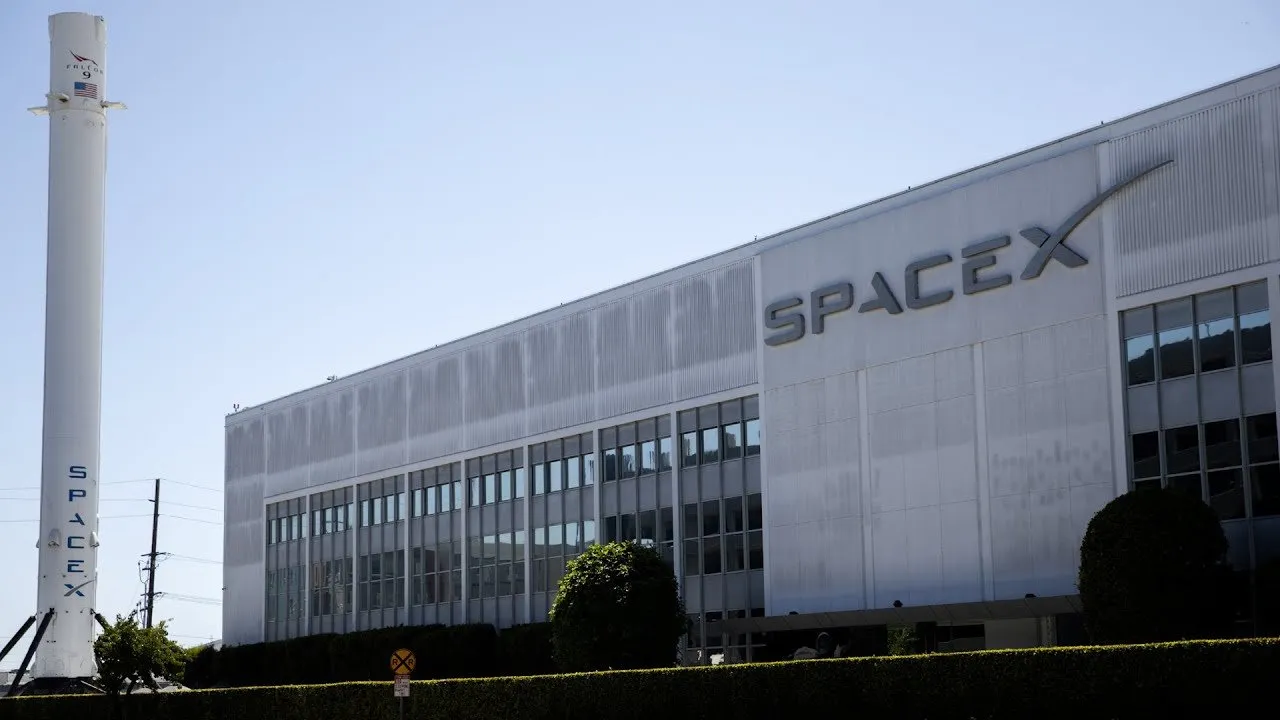
SpaceX is reportedly evaluating two distinct strategic alternatives that could see the private aerospace giant merge with either Tesla or xAI, a move that would fundamentally restructure Elon Musk’s business portfolio. While market expectations previously pointed toward a mid-year initial public offering (IPO) for SpaceX, sources indicate that key investors are advocating for a direct combination with Tesla to consolidate operations and bypass the complexities of a traditional public listing.
Key Takeaways
- Strategic Shift: SpaceX investors are reportedly pushing for a merger with Tesla, though a combination with xAI is also under consideration.
- Financial Implications: A merger offers a faster, less expensive route to public markets compared to a traditional IPO, avoiding underwriting fees and roadshows.
- Operational Synergies: The move aims to formalize existing "cross-pollination" between Musk’s companies, including shared energy storage tech and logistics for Mars missions.
- Regulatory Risks: A combined entity involving these companies would create a multi-trillion-dollar conglomerate, likely triggering intense scrutiny from government regulators.
Evaluating the "Elon Inc." Conglomerate
The discussions represent a significant pivot from SpaceX's reported trajectory. Until recently, the prevailing expectation was that the company would pursue a standalone IPO later this year. However, corporate discussions have broadened to include merging with an existing public entity like Tesla. This approach offers distinct financial advantages: it is faster and cheaper than an IPO, eliminating the need for bank underwriting and the rigorous "roadshow" process required to court new investors.
Proponents of the deal cite the existing, deep integration between Musk’s companies. Tesla and SpaceX already share supply chains and engineering talent. Musk has previously articulated a vision where Starship transports Tesla’s Optimus robots to the Moon and Mars, and where Tesla’s energy storage capabilities support SpaceX’s infrastructure. Formalizing this relationship could streamline these joint ventures.
"There is plenty of cross-pollination that already happens between SpaceX and Tesla... [Musk] has spoken about Starship taking Optimus to the moon and Mars. There is some sense to be made in combining the companies as they already work so closely together."
The Vision: Orbital AI Data Centers
A driving force behind the potential inclusion of xAI in these merger talks is Musk’s ambitious proposal to deploy AI data centers in orbit. This strategy addresses the immense real estate and energy requirements of terrestrial data centers by utilizing space-based solar arrays, which offer constant access to power.
However, this vision faces significant engineering hurdles. While space offers abundant energy, it presents a difficult environment for cooling—a critical requirement for AI infrastructure. Unlike Earth-based centers that use air or water, orbital centers must rely on radiators to dissipate heat in a vacuum. Furthermore, the feasibility of this plan relies entirely on the readiness of the Starship launch vehicle, which is still in its testing phase.
Market and Regulatory Headwinds
Despite the potential synergies, creating a conglomerate of this scale carries substantial risk. Investors often apply a "conglomerate discount" to such entities due to a lack of visibility into individual business lines. A merger could trigger a sell-off among shareholders who prefer distinct exposure to EV markets versus aerospace or artificial intelligence.
Furthermore, the regulatory implications are profound. Combining companies with valuations in the hundreds of billions—potentially reaching a collective market capitalization in the trillions—would inevitably attract antitrust scrutiny.
"You’re looking at trillions of dollars. That kind of market capitalization is going to attract the scrutiny of government regulators. It can't not."
These discussions remain fluid, and no final decision has been made. Tesla recently confirmed a separate $2 billion investment into xAI, signaling continued financial entanglement regardless of a formal merger. SpaceX’s leadership has previously indicated a need for tens of billions of dollars to ramp up capacity for its existing business lines, suggesting that capital accumulation remains the priority, whether through an IPO or a blockbuster merger.