Table of Contents
Sony has announced a significant strategic restructuring of its home entertainment division, agreeing to sell a majority stake in its television business to rival manufacturer TCL. In a concurrent development regarding future hardware, reports indicate Apple is in the early stages of designing a camera-equipped, AI-powered wearable device potentially slated for a 2027 release.
Key Points
- Sony will transfer a 51% stake of its home entertainment business to TCL, retaining 49% while continuing to use the Bravia brand.
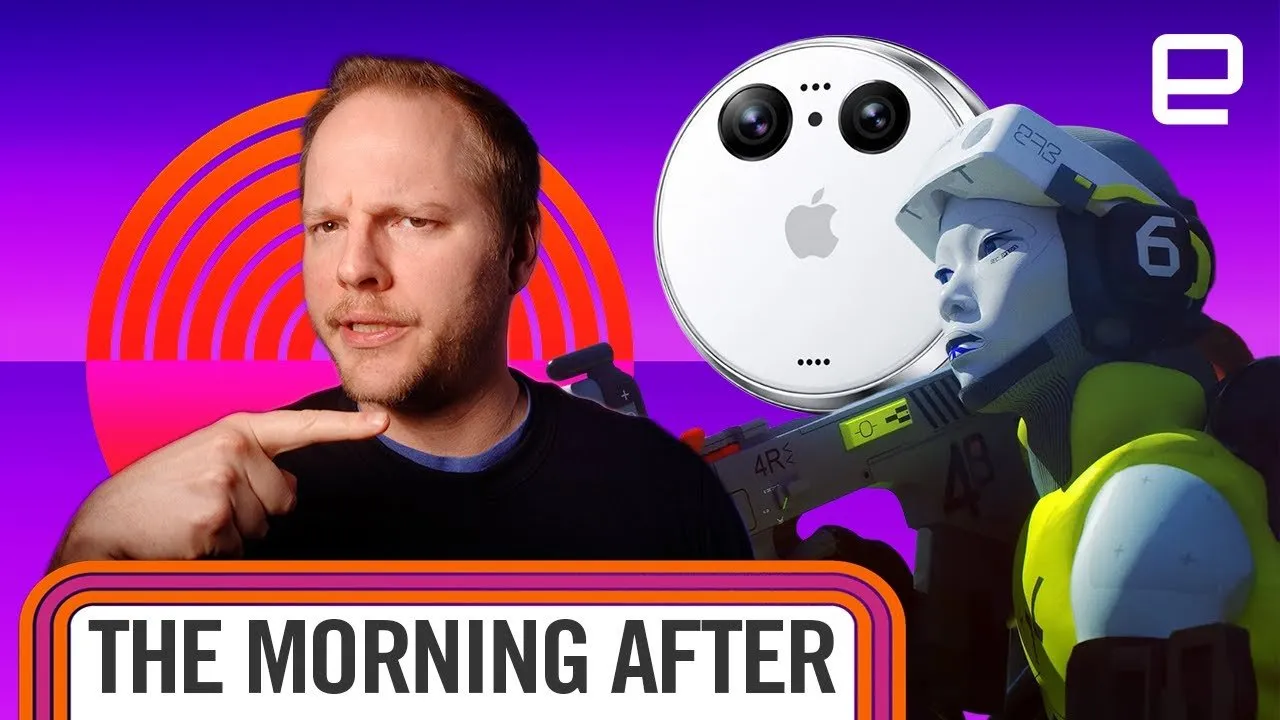
- Apple is reportedly developing a coin-sized AI wearable featuring cameras, microphones, and a physical button.
- Bungie confirmed its extraction shooter Marathon will launch on March 5, a critical release following the studio’s recent challenges.
- Elon Musk is seeking up to $134 billion in damages from OpenAI, claiming entitlement to a share of the company's valuation based on early seed funding.
Sony Cedes Control of TV Manufacturing
In a move that underscores the volatility of the consumer electronics market, Sony has entered a strategic partnership that effectively hands over operational control of its television business to TCL. Under the terms of the deal, TCL will acquire a 51% majority stake in Sony’s Home Entertainment arm. Sony will retain the remaining 49% share.
Despite the shift in ownership, the new combined entity will continue to sell televisions under the Sony and Bravia branding. However, these devices will utilize TCL’s display technology. This transition follows years of Sony moving away from manufacturing its own LCD and OLED panels, a necessary pivot in a sector dominated by aggressive competitors.
In the world of the low-margin TV business, faced with the might of Samsung, LG, Hisense and even TCL, Sony had to make yet another tough decision.
This development marks a significant turning point for a company historically defined by its dominance in the living room, dating back to the Trinitron era of the 1990s.
Apple Investigates AI-Powered Hardware
According to reports from The Information and Bloomberg, Apple is exploring a new form factor for ambient computing. The rumored device is described as resembling a slightly thicker AirTag, composed of aluminum and glass. The hardware specifications reportedly include a magnetic backing, wireless charging capabilities, and a physical button.
The device is expected to integrate three microphones and two cameras—a standard lens and a wide-angle lens—designed to capture visual data for AI analysis. While reports suggest the revamped Siri may utilize ChatGPT-style interactions, the underlying technology for this hardware could likely leverage Google’s Gemini following recent partnership deals.
Development is currently in the preliminary stages. While a release could occur as early as 2027, analysts caution that the project faces the same risks as the now-cancelled Apple Car. The core challenge remains defining a compelling consumer use case for a dedicated listening and recording wearable in an already saturated ecosystem.
Industry Updates: Bungie and OpenAI
Beyond hardware, the gaming and AI sectors saw major updates this week. Bungie, a Sony subsidiary, officially set the release date for its extraction shooter Marathon for March 5. This launch is viewed as critical for Sony's live-service strategy, particularly following the commercial failure of Concord and mixed receptions to recent internal projects. The studio aims to replicate the success of Helldivers 2 rather than the struggles of its predecessors.
In the legal sphere, Elon Musk has escalated his battle against OpenAI. A lawsuit filing claims Musk is owed between $79 billion and $134 billion in damages. The plaintiff argues that his $38 million seed funding, combined with strategic advice and recruitment assistance during OpenAI’s non-profit years, entitles him to a significant portion of the company’s recent $500 billion valuation. The suit alleges wrongful gains by both OpenAI and primary backer Microsoft.
As Sony prepares to integrate its TV operations with TCL and Apple iterates on new form factors, the technology sector continues to consolidate around high-margin services and AI integration. Stakeholders will be watching closely to see if the regulatory review allows the Sony-TCL deal to proceed without friction.