Table of Contents
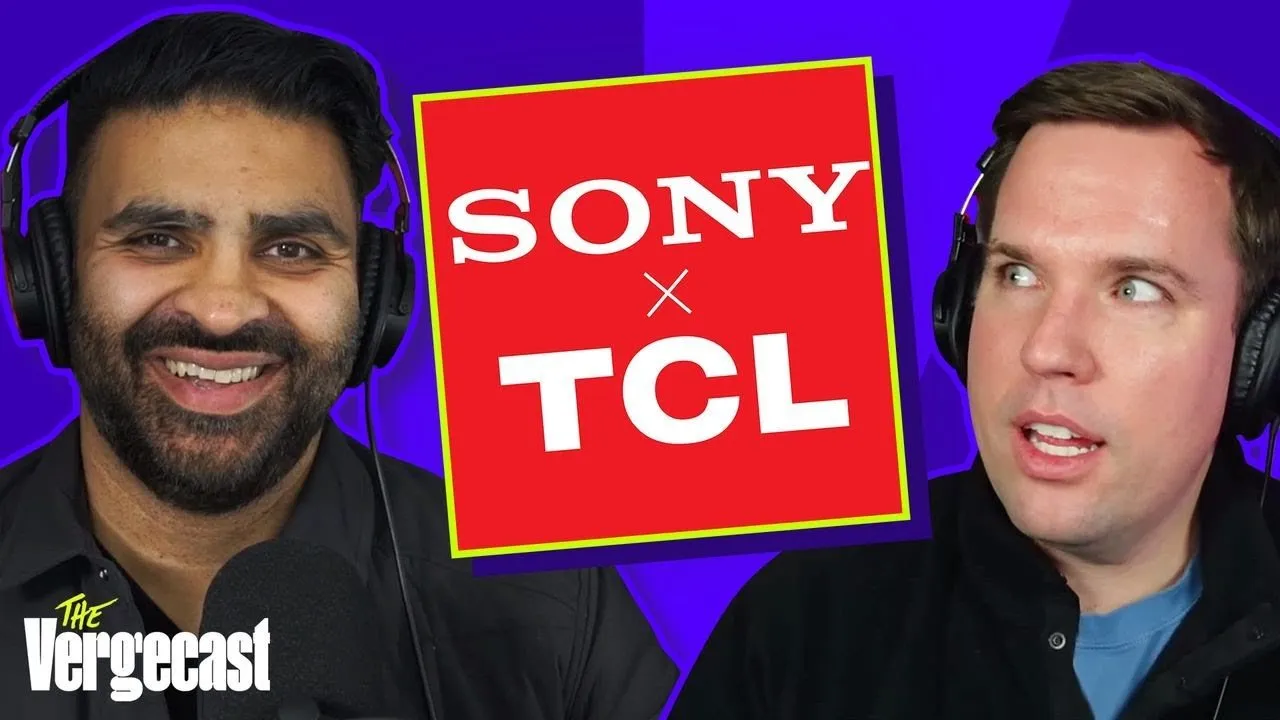
In a watershed moment for the consumer electronics industry, Sony has signaled the end of its independent television manufacturing era by entering a memorandum of understanding with Chinese manufacturer TCL. The potential joint venture, which would see Sony cede majority control of its manufacturing operations, highlights a broader shift in the global display market. Simultaneously, the artificial intelligence sector faces its own reality check, as OpenAI pivots toward an advertising model to offset soaring compute costs, while Apple reportedly experiments with new hardware form factors to secure its place in the AI ecosystem.
Key Points
- Sony/TCL Joint Venture: Sony has announced a memorandum of understanding to transfer its TV manufacturing business to a joint venture where TCL would hold a 51% controlling stake.
- OpenAI Embraces Ads: Moving away from its subscription-only focus, OpenAI is introducing advertising to ChatGPT and launching a lower-cost subscription tier to drive revenue.
- New Apple Hardware Rumors: Reports indicate Apple is developing an AI-dedicated wearable device similar in form to an AirTag, equipped with cameras and microphones.
- Regulatory Pressures: Epic and Google are attempting to settle their antitrust dispute amidst judicial skepticism, while the FCC signals potential crackdowns on broadcast networks.
The Shift in Global TV Power
Sony, once the undisputed king of television technology with its Trinitron line, is effectively exiting the manufacturing game. The Japanese electronics giant revealed it is working toward a deal that would hand over its TV business to a joint venture controlled by TCL. Under the proposed terms, TCL would own 51% of the venture, while Sony would retain 49%.
This move represents the final stage of a decades-long transition in consumer electronics dominance, which shifted from Japanese firms to Korean giants like Samsung and LG, and now firmly toward Chinese manufacturers like TCL and Hisense. While Sony remains a formidable brand known for superior image processing, it has increasingly relied on competitors for the foundational technology of its products.
"Sony occupies this very important place in people's minds... but they effectively stopped investing in the foundational technology. They buy panels from Samsung and LG, and increasingly, they have been buying MiniLED panels from TCL."
Technology and Branding Implications
Industry analysts suggest this partnership is a strategic alignment with current technological trends. Sony has bet heavily on MiniLED technology overtaking OLED for mainstream dominance—a technology where TCL is currently a manufacturing leader. By partnering directly, Sony gains access to TCL’s state-of-the-art supply chain and panel technology, potentially lowering costs while maintaining the premium "Bravia" branding and proprietary image processing that enthusiasts prefer.
However, the deal marks a significant dilution of Sony’s vertical integration. The company that once inspired Steve Jobs with its manufacturing prowess is now effectively an asset manager for its brand and software processing, leaving the hardware execution to a former budget competitor.
OpenAI and the Business of AI
Following a year of massive growth and executive turnover, OpenAI is aggressively shifting its monetization strategy. Despite CEO Sam Altman’s previous hesitation regarding advertising, the company has announced plans to integrate ads into ChatGPT. This coincides with the launch of "ChatGPT Go," a cheaper $8 monthly subscription designed to broaden the user base.
The pivot highlights the immense financial pressure facing generative AI companies. With compute costs estimated in the trillions across the industry, subscription revenue alone—where conversion rates for $20/month plans remain in the single digits—appears insufficient. OpenAI CFO Sarah Friar recently released a memo prioritizing "practical adoption," signaling a move from experimental usage to revenue-generating corporate and consumer workflows.
To support this transition, OpenAI has been aggressively hiring executive talent from Meta, aiming to replicate the social giant's success in targeted advertising. Early previews of the ad units suggest a native integration, appearing as sponsored text blocks within chat responses, though user experience concerns remain high.
Apple's AI Hardware Ambitions
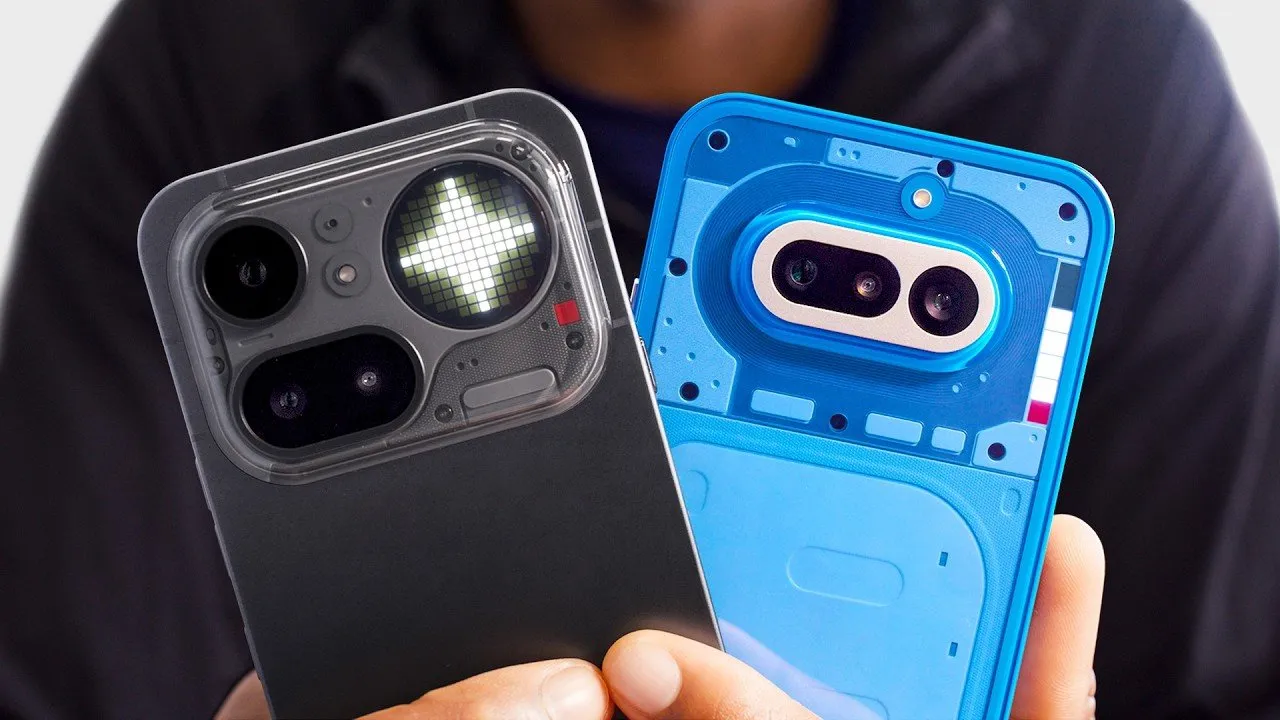
As software companies look for revenue, hardware giants are looking for new form factors. A new report from The Information suggests Apple is developing an AI wearable device. The rumored gadget is described as a "privacy-focused" accessory similar in size to an AirTag, featuring:
- A circular glass and aluminum housing.
- Dual cameras (standard and wide-angle).
- Three microphones and a speaker.
- A physical button for interaction.
The device aims to solve the primary limitation of smartphones: the inability to constantly see and hear the user's environment without being held. While smart glasses remain the "holy grail" of AI hardware due to their line-of-sight utility, the technology remains immature. Apple’s potential device suggests an attempt to capture ambient data and feed it into the company's ecosystem without cannibalizing the iPhone, which remains its primary revenue driver.
Antitrust and Regulatory Updates
The tech sector continues to face significant legal headwinds. In the ongoing battle between Epic Games and Google, both parties are currently seeking to settle their antitrust litigation. However, federal judges have expressed skepticism regarding the settlement terms, specifically concerning whether a private deal would adequately address the monopolistic behaviors a jury previously found Google liable for.
Additionally, the Federal Communications Commission (FCC) is signaling a more aggressive stance toward broadcast media. Recent moves suggest a renewed interest in enforcing "equal time" rules for political candidates on broadcast networks, a regulation that has largely been dormant. This approach faces criticism for targeting waning broadcast platforms while leaving dominant social media algorithms largely unregulated.
As 2026 progresses, the technology landscape is hardening. The experimental phase of the AI boom is giving way to consolidation and monetization, evidenced by Sony’s retreat from manufacturing and OpenAI’s embrace of advertising. Market watchers will now look to see if regulatory bodies approve the Sony-TCL joint venture and how consumers react to the impending wave of AI-driven advertisements.