Table of Contents
In the hyper-growth ecosystem of Silicon Valley, the prevailing narrative often champions the abrasive genius—the founder who moves fast, breaks things, and ignores social norms in favor of raw product velocity. However, this archetype ignores a fundamental truth of business: long-term success relies on relationships, and relationships rely on trust. While technical differentiation is critical, the ability to navigate a room, manage power dynamics, and put others at ease is often the invisible variable that determines whether a deal closes or falls apart.
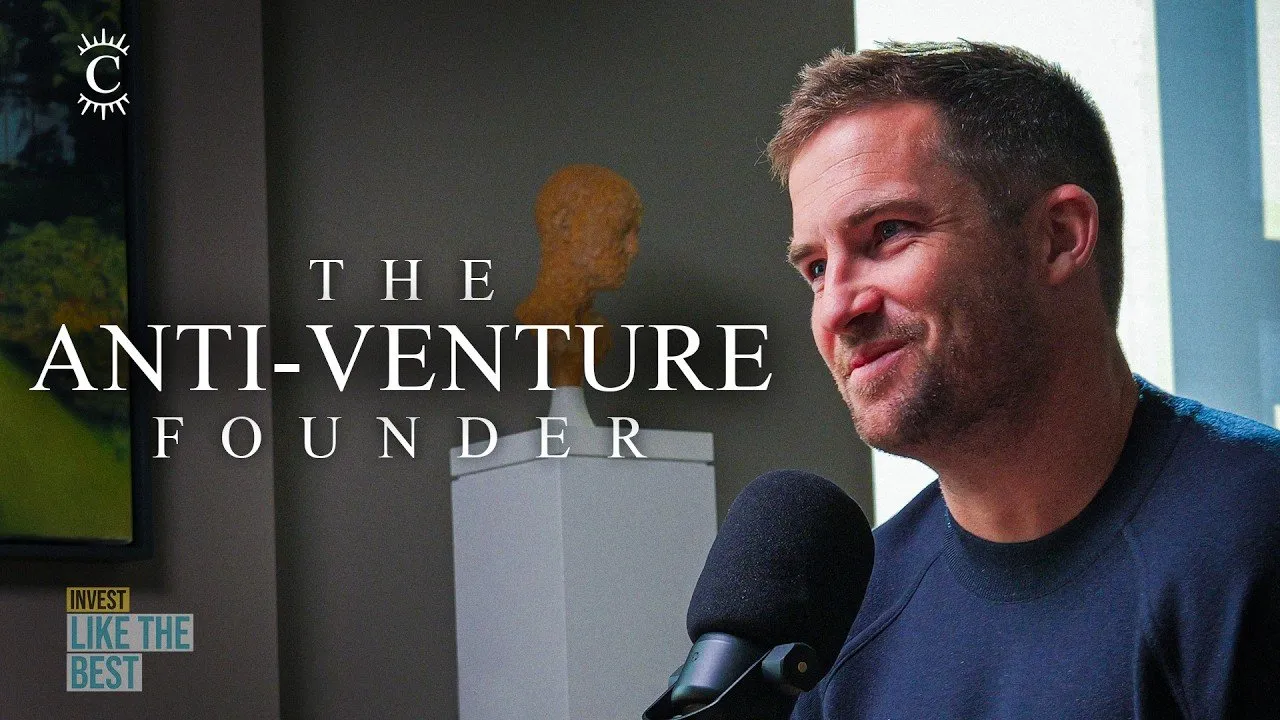
Sam Lessin, Partner at Slow Ventures and former VP of Product at Facebook, argues that etiquette is not about antiquated rules or stiffness. Instead, it is a strategic tool for founders to project confidence and competence. It is the art of "showing up with a low heart rate"—signaling that you belong in the room, that you are not operating from a place of scarcity, and that you can be trusted with capital and reputation.
Key Takeaways
- Adopt an abundance mindset: Frantic energy signals scarcity. Projecting calm and a "low heart rate" signals that you belong in the room and have other opportunities.
- Master the entry and exit: From being slightly early to knowing when to leave a conversation, timing demonstrates respect for the other person's schedule and attention.
- Digital hierarchy matters: How you schedule meetings and order recipients in an email CC line communicates your understanding of power dynamics and respect for gatekeepers.
- Focus on fit over brand: In dress and presentation, appropriate fit and context awareness always trump expensive labels.
- Conversation is a ping-pong match: Engage in a balanced exchange of ideas rather than a monologue; ask questions, but avoid interrogating your counterpart.
The Core Philosophy: Low Heart Rate and Abundance
The defining characteristic of a seasoned operator is the ability to remain calm in high-stakes environments. Young founders often enter networking events or investor meetings with palpable anxiety, treating every interaction as a do-or-die moment. This "Energizer Bunny" energy can be off-putting, as it subconsciously signals desperation and scarcity.
Effective etiquette creates a physiological and psychological buffer. By knowing the rules of engagement, you can lower your own heart rate, which allows you to focus on the person across from you rather than your own insecurities. The goal is to project an abundance mindset: the belief that this is not your only shot, but rather one of many opportunities.
Etiquette is a skill for how to show up in a room with a low heart rate. You’re at your first company... It becomes very transactional. If you show up like a little Energizer Bunny, you're going to scare people off. You kind of want to show up with the self-confidence and the calm of abundance.
When you operate from a place of calm, you signal that you are a peer rather than a petitioner. This dynamic shifts the interaction from a transaction to a relationship, building the foundation for long-term trust.
Navigating Physical Spaces and Conversations
Entering a room and sustaining a conversation requires a delicate balance of confidence and humility. The objective is to be memorable for your ideas and character, not for social friction.
Introductions and First Impressions
Punctuality is the first signal of respect. Aim to be early, but not awkwardly so—five to ten minutes is the sweet spot. If you are late, offer a simple, sincere apology without over-explaining or making yourself the victim of circumstance. When making introductions, eye contact and a firm handshake establish immediate connection.
A common pitfall occurs when greeting someone you may have met before. To avoid the embarrassment of implied forgetfulness, replace "Nice to meet you" with "Great to see you." This phrase covers all bases, whether you are meeting for the first time or the fifth.
The "Ping-Pong" of Conversation
View conversation as a game of ping-pong. You hit the ball over the net (a statement or answer), and they hit it back (a question or comment). If you deliver a monologue, you are holding the ball; if you ask ten rapid-fire questions, you are pummeling them with serves. The ideal interaction is a rhythmic back-and-forth where both parties feel heard.
Humor and storytelling are powerful tools but should be used with precision. Self-deprecating humor is generally safe and humanizing, whereas making fun of others or using "inside" jokes can alienate the group. Similarly, when exiting a conversation, do so gracefully. Use a natural lull to excuse yourself or introduce a third party into the mix before stepping away. The "Irish Goodbye"—leaving a large event without a dramatic farewell tour—is often the most polite way to exit without disrupting the flow of the room.
Dining and Dress: The Mechanics of Polish
Meals and attire are high-visibility arenas where lack of awareness can be glaring. These are not just aesthetic choices; they are indicators of self-awareness and situational intelligence.
Strategic Dining
Dining etiquette often reveals how a founder handles resources and staff. Treat servers with the same respect you accord your investors; snapping at a waiter or ignoring them is an immediate red flag regarding character.
Practical dining tips include:
- Ordering: Do not order the most expensive item on the menu. Let your host lead, or order from the middle of the price range.
- The B and D Rule: If you are confused by the table setting, touch your index fingers to your thumbs. Your left hand forms a 'b' (bread plate), and your right hand forms a 'd' (drink).
- Payment: Always offer to pay, even if you expect the other party to cover it. If you are the guest of a wealthy individual, the gesture matters more than the transaction. However, if you do pay, tip generously. Being memorable for being stingy is a reputation killer.
Dress for the Room, Not the Brand
The era of the "hoodie-wearing genius" has limits. While you do not need to wear a suit to a coffee chat, you should aim to dress one level up from the expected baseline. The most critical factor is fit, not price. A well-tailored $20 shirt looks infinitely better than an ill-fitting designer piece. Avoid displaying ostentatious wealth, such as flashy watches, which can signal a lack of focus on the business or a disconnect from the startup grind.
Digital Etiquette and Hierarchy
In a remote-first world, etiquette extends to how we manage our calendars, inboxes, and Zoom windows. Digital friction is just as damaging as social friction.
The Scheduling Power Dynamic
The tools you use to schedule meetings communicate your perception of hierarchy. Sending a bare Calendly link to someone senior to you—or a potential investor—can be perceived as offloading the labor of scheduling onto them. It implies, "You find a time that works for me."
Instead, offer specific blocks of availability first. If you must use a scheduling link, frame it as a convenience for them ("Here is a link if that is easier for you"), rather than a default. Furthermore, treat Executive Assistants (EAs) and gatekeepers with immense respect. They hold the keys to the calendar and often influence the executive's perception of you.
Communication Hygiene
Your digital correspondence should respect the recipient's time. Emails should be brief, devoid of excessive emojis (which can appear unprofessional or juvenile), and carefully proofread.
Pay close attention to the hierarchy of the "To" and "CC" fields. The order in which names appear often signals who the primary decision-maker is and who is being kept in the loop. Mismanaging this can unintentionally slight a key stakeholder.
Virtual Presence
On video calls, the rules of physical presence still apply. Keep your camera on. Turning it off creates an asymmetry in the interaction. Ensure your background is tidy—close the closet door and make the bed. These small visual cues signal that you have your life in order, which subconsciously suggests you have your business in order.
Conclusion
Etiquette is ultimately an exercise in empathy and awareness. It is about removing friction so that the substance of your work can shine. When you master the invisible rules of the room—whether that room is a boardroom, a restaurant, or a Zoom call—you stop worrying about how you are being perceived and start focusing on the connection you are building.
By showing up with a low heart rate, dressing with intention, and treating every interaction with respect, you differentiate yourself from the noise of the startup ecosystem. You signal that you are not just a founder with a pitch deck, but a leader who is ready to build a company.