
Table of Contents
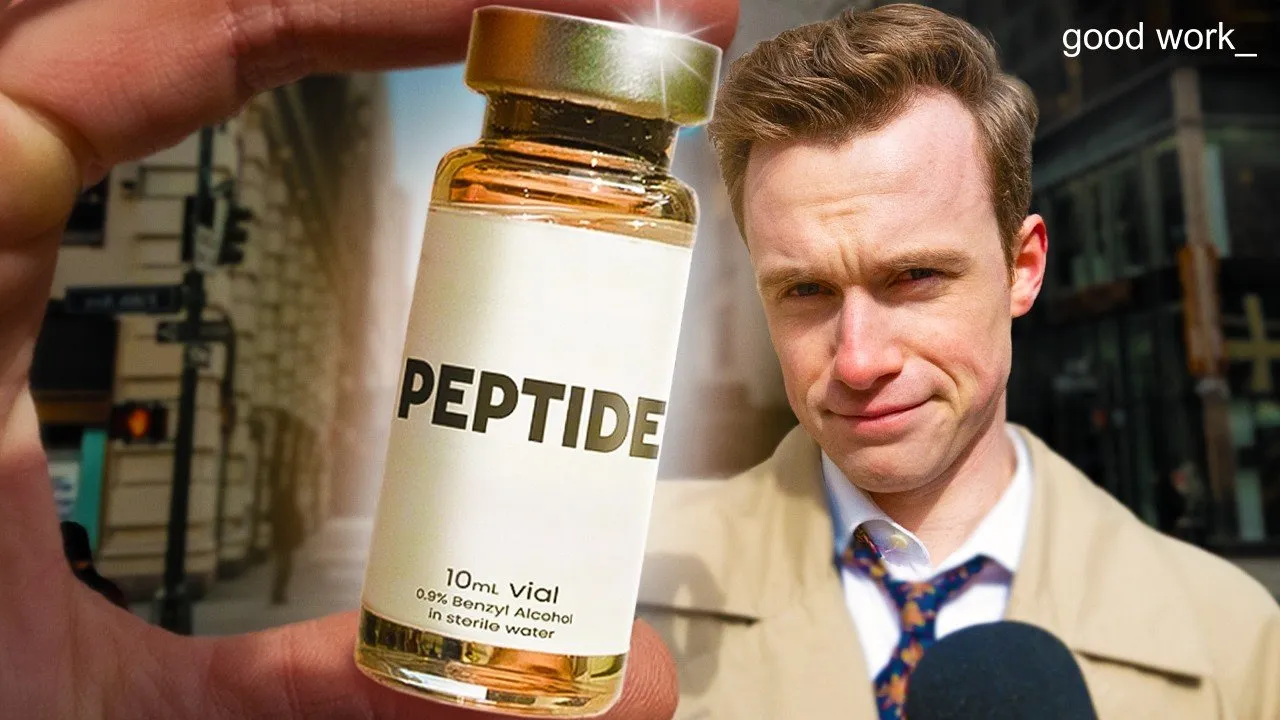
Silicon Valley is currently obsessed with a class of substances that promise to transform human biology from the inside out. Known as peptides, these compounds are being hailed as a "miracle drug" capable of burning fat, sharpening cognitive focus, reversing the signs of aging, and enhancing physical performance. While these vials of synthetic amino acids are rapidly moving from niche biohacking circles into the mainstream, the trend is fraught with significant risks. Many users are bypassing the traditional medical establishment, opting instead for unregulated supply chains that originate in overseas factories and are coordinated through anonymous online communities.
Key Takeaways
- Peptides are chains of amino acids that serve various biological functions, but the synthetic versions popular in tech circles remain largely understudied and unregulated.
- Much of the supply for these substances comes from overseas labs, with many products marketed as "for research purposes only" to bypass federal safety oversight.
- The rise of these drugs reflects a growing trend in consumer biotech, where individuals are increasingly willing to perform "self-experimentation" to gain a biological edge.
- Medical experts warn that without clinical trials, these substances lack proof of efficacy and safety, leaving users vulnerable to unknown side effects.
Understanding the Peptide Phenomenon
At their most basic level, peptides are chains of amino acids. They occur naturally in the body, helping to regulate processes like tissue repair and hormone production. However, the substances currently causing a stir in tech hubs like San Francisco are synthetically manufactured versions, often designed to mimic the effects of endogenous proteins. While FDA-approved drugs like Ozempic (a GLP-1 receptor agonist) have paved the way for injectable treatments, the "peptide boom" has expanded to include dozens of experimental compounds that have never undergone rigorous clinical testing.
The Allure of Biohacking
For many, the appeal of peptides lies in the promise of personalization. Users often design "stacks"—combinations of various peptides—to achieve specific aesthetic or performance goals. Popular examples include BPC-157 for muscle recovery, GHK-Cu for skin rejuvenation, and various compounds intended to improve sleep or boost metabolism. Proponents argue that in a world where modern life degrades our endocrine health, taking control of one's biology through these methods is a necessary, albeit unconventional, step toward peak human potential.
The future is already here, but not evenly distributed. And I think many of the smartest people I know, many of the smartest biologists I know, and doctors I know are using peptides.
The Shadows of the Supply Chain
The accessibility of these substances is perhaps their most controversial feature. Because many peptides lack FDA approval for general use, they cannot be picked up at a local pharmacy. Instead, the market has migrated to the internet. Prospective users often connect with overseas manufacturers via platforms like Discord or Reddit. These transactions are typically conducted in cryptocurrency, and the products arrive at the user’s doorstep with little to no guidance on dosage, purity, or potential contaminants.
From Research Labs to Refrigerators
Because these drugs are frequently labeled as "for research purposes only," the burden of quality control falls entirely on the consumer. Reporters who have investigated this space note that the markup is staggering; what costs pennies to synthesize in a massive industrial facility in China is often sold at a significant profit to American consumers. This shadow market thrives on the fact that users are often more willing to trust an online influencer or an anonymous community moderator than they are to navigate the bureaucratic hurdles and high costs of the traditional healthcare system.
The Scientific and Medical Skepticism
The medical establishment remains largely unconvinced by the anecdotal success stories emerging from biohacking forums. Critics argue that the current peptide craze is essentially "bro-science"—an unscientific accumulation of personal experiences that ignores the complex reality of human physiology. Without peer-reviewed clinical trials, there is no way to verify if a compound is actually doing what it claims or if the user is experiencing the placebo effect, or worse, the delayed consequences of toxicity.
When we inject a drug in our body, we should know that it's safe, that it is what it says it is and it's effective. That only can be done through clinical trials. Anything short of that is not science.
The Risks of Self-Experimentation
The potential for physical harm is high. Because these products are unregulated, batches can be mislabeled, under-dosed, or tainted with dangerous heavy metals. Even if the product is chemically pure, the lack of medical oversight can lead to dangerous interactions or long-term systemic damage. For instance, some users have reported severe gastrointestinal distress or, in the case of certain compounds, the risk of mineral toxicity. Despite these documented dangers, the allure of "looksmaxxing" and rapid physical transformation remains a powerful motivator for a generation frustrated with the perceived limitations of conventional medicine.
The Future of Consumer Biotech
Whether or not one approves of the methods, the peptide movement signals a shift in how society views health. We are entering an era of "consumer biotech," where the barrier to entry for biological modification is lower than ever before. As technology continues to outpace regulation, the responsibility for health outcomes is being transferred from the doctor’s office to the individual’s kitchen counter. While some see this as a dangerous gamble with unknown stakes, others view it as the inevitable frontier of human optimization.
As this trend continues to bleed from Silicon Valley into the general public, the debate over access versus safety will only intensify. Are these users pioneers on the cutting edge of human performance, or are they repeating the medical mistakes of the past? For now, the answer remains hidden in the vials of purple fluid and the digital handshake of anonymous distributors, leaving each person to decide whether the gamble is worth the potential—yet entirely unproven—reward.



![Banks Just Lost! XRP Holders Need To See This [NOW]](/content/images/size/w1304/format/webp/2026/03/kraken-fedwire-access-xrp-implications.jpg)
