Table of Contents
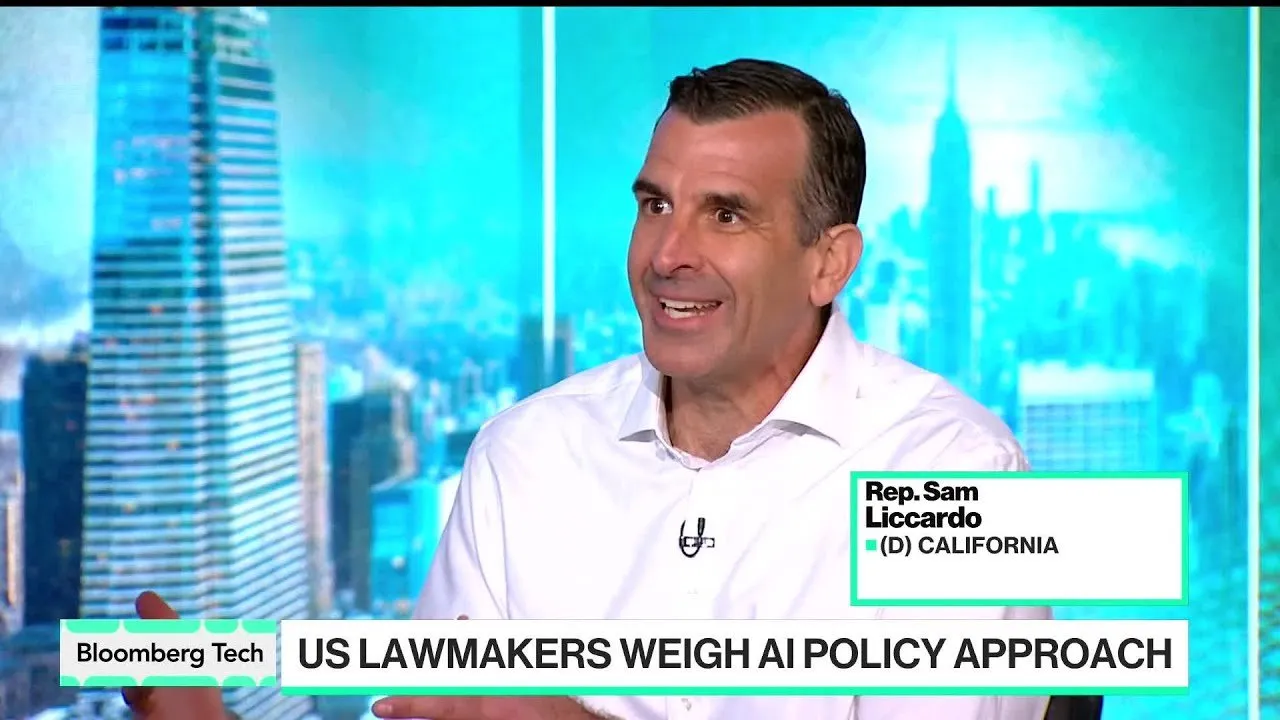
A Silicon Valley representative is pushing for a legislative overhaul of federal Artificial Intelligence policy, arguing that current backroom negotiations between the Pentagon and private firms are both insufficient and damaging to national interests. Amidst concerns over administrative overreach and retaliatory actions against tech companies, the lawmaker is introducing new provisions to the Defense Production Act to standardize how the government interacts with AI developers who propose safety limitations on their own technology.
Key Points
- Congressman advocates for public, transparent AI safety standards rather than private, case-by-case negotiations with the Department of Defense.
- New legislation is being introduced to prevent federal agencies from retaliating against companies that establish reasonable, self-imposed deployment limits.
- The lawmaker warns against the growing reliance on executive orders, calling for Congress to reclaim its Article I constitutional authority to regulate emerging technologies.
- Proposed policy aims to leverage industry and academic expertise to set best practices, potentially offering federal preemption for firms that meet strict safety benchmarks.
The Shift Toward Public Accountability
The Congressman's push follows recent friction between the government and firms like Anthropic, which have publicly vocalized concerns regarding the safe deployment of AI systems. The lawmaker argues that when companies proactively suggest "red lines"—safety boundaries intended to prevent misuse—these should be treated as industry standards rather than liabilities or security risks. The core of the critique is that the current atmosphere of opaque, one-on-one negotiations between agency lawyers and individual CEOs lacks the democratic oversight required for technology with such broad societal implications.
These ought to be very public discussions. The administration should be setting rules. Congress should be setting rules. And the way this all went down now with retribution against Anthropic in the way that Secretary Hager and others have articulated, I think, is very damaging to Silicon Valley and, frankly, to the country.
Challenging Administrative Overreach
The legislative effort seeks to address the "void" left by Congressional inaction, which the lawmaker claims has emboldened the executive branch to govern through Executive Orders. While acknowledging that Congress has historically struggled to keep pace with rapid technological shifts—citing a 30-year delay on comprehensive data privacy legislation—the Congressman asserts that the current approach to AI is constitutionally unsustainable. The representative contends that critical issues, such as public surveillance and the deployment of autonomous weaponry, require a collaborative, legislative framework that avoids the pitfalls of inconsistent, state-by-state regulation.
Collaborative Frameworks for Regulation
Rather than crafting monolithic, rigid edicts that could stifle innovation, the proposed legislation suggests a hybrid model. The goal is to empower industry experts and academics to define operational best practices. Under this structure, companies that successfully adopt these industry-vetted standards would gain the benefit of federal preemption, shielding them from a patchwork of varying state-level requirements. This approach aims to incentivize safety compliance while ensuring the government remains a partner in innovation rather than an adversarial regulator.
Next Steps for Congressional Action
The Congressman plans to introduce the new provision in the House Financial Services Committee, aiming to foster a bipartisan approach to AI governance. Looking beyond immediate legislative protection, the lawmaker emphasizes the need for a broader national conversation that addresses regional disparities in AI adoption and economic impact. By prioritizing investments in workforce reskilling and sustainable energy for AI data centers, the proposal seeks to align technological advancement with public interest, moving away from reactive policy-making toward a proactive, multi-stakeholder strategy.