Table of Contents
Despite the emergence of ultra-thin smartphones boasting massive 10,000 mAh capacities, industry leaders Apple, Samsung, and Google continue to rely on traditional lithium-ion technology, citing safety and longevity concerns with new silicon carbon alternatives. While manufacturers like Honor and OnePlus have aggressively adopted the denser battery composition to revolutionize form factors, Western tech giants remain on the sidelines to avoid potential hardware failures associated with the new material.
Key Points
- Density Breakthrough: Silicon carbon technology allows for significantly higher battery capacities without increasing device thickness, enabling leaps from 5,000 mAh to 10,000 mAh.
- Physical Risks: Silicon expands up to three times its volume during charging, creating mechanical stress that can lead to swelling and internal cracking.
- Strategic Hesitation: Major US-centric brands are avoiding the technology to mitigate the risk of mass-scale failures, prioritizing reliability over raw specifications.
The Silicon Carbon Divide
The smartphone market has fractured into two distinct camps regarding power storage. On one side, manufacturers including Honor, OnePlus, and Xiaomi have integrated silicon carbon batteries into their flagship devices. This shift has reset consumer expectations, enabling devices to jump from standard 5,400 mAh capacities to 7,300 mAh or higher without compromising the device's slim profile. This technology is credited with enabling ultra-thin designs like the Galaxy S25 Edge and various "Air" models.
However, the latest flagship releases from Apple, Samsung, and Google have notably omitted this advancement. According to industry analysis, this hesitation is likely not due to supply chain constraints, but rather specific engineering challenges inherent to the stability of the materials used.
The Physics of Expansion
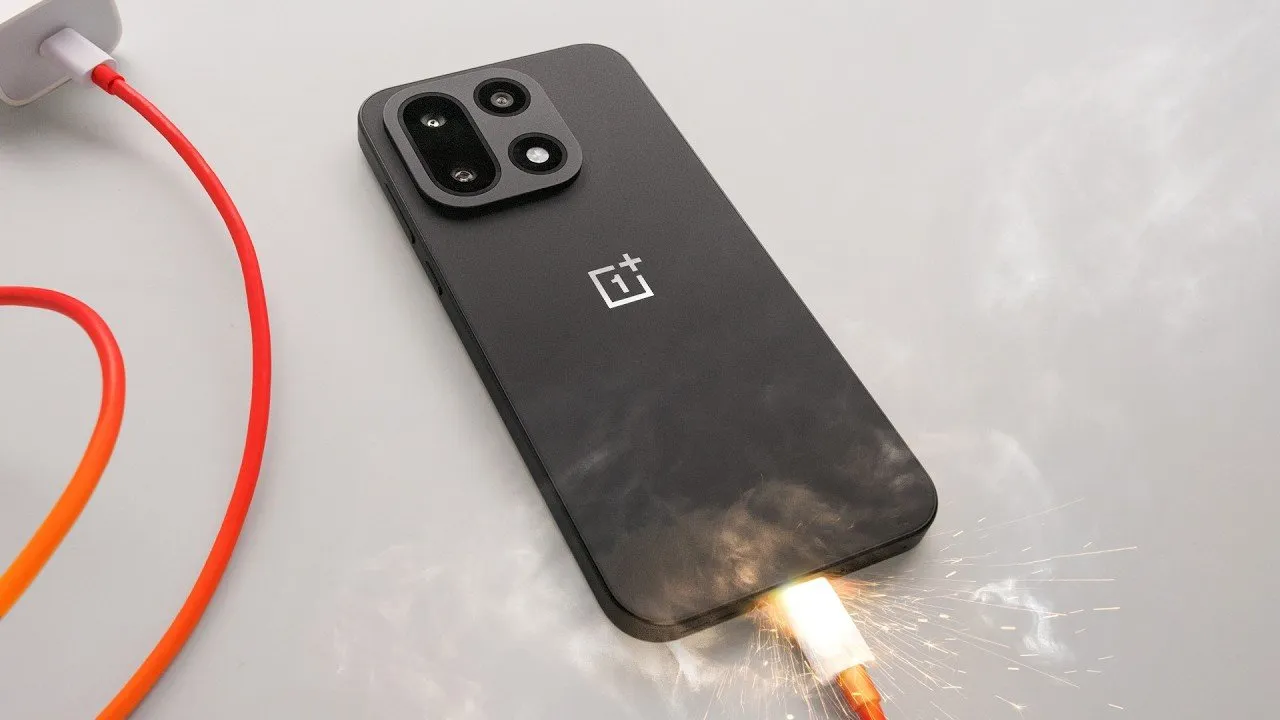
The primary advantage of silicon is its ability to hold substantially more energy than the graphite used in traditional batteries. However, this density comes with a volatile physical cost. During the charging process, silicon heats up and absorbs lithium ions, causing the material to expand significantly—up to three times its original volume.
"Imagine a sponge that triples in size when wet and then shrinks back down... eventually things are probably going to crack."
To mitigate this, manufacturers use finely ground silicon mixed with carbon to absorb the expansion. However, pushing the limits of silicon percentages increases mechanical stress. Reports indicate that some devices now require internal steel cages to prevent the battery from swelling outward. If this containment fails, internal cracking can occur, potentially leading to thermal runaway.
Risk Management and Market Strategy
For companies operating at the scale of Samsung or Apple, statistical outliers present unacceptable risks. While a failure rate of one in 250,000 might be deemed acceptable for smaller production runs, applied to tens of millions of units, it could result in widespread safety incidents reminiscent of the Galaxy Note 7 recalls in 2016. Without sufficient long-term data regarding how these batteries age over years of environmental stress—including drops, pressure changes, and temperature fluctuations—tech giants are choosing the "safe bet" of lithium-ion.
Furthermore, the competitive landscape drives these engineering decisions. In the United States, ecosystem lock-in—driven by software dominance—reduces the pressure to compete solely on hardware specifications. Conversely, in international markets where consumers switch brands more freely, hardware differentiation like a 40% battery capacity increase becomes a vital competitive lever.
As the industry moves through 2026, silicon carbon remains a "bleeding edge" technology. While early adopters currently benefit from extended battery life, the long-term effects of repeated expansion cycles on device longevity remain unproven. Analysts and engineers are now monitoring the aging process of these devices to determine if the durability trade-offs have been solved, or if the conservative approach of the US tech giants will prove necessary.