Table of Contents
The global economic landscape is facing a period of intense volatility as geopolitical tensions, specifically involving Iran and the U.S., trigger a series of cascading effects across oil markets and international relations. Amidst these developments, questions regarding leadership, the use of strategic energy reserves, and the ethical implications of artificial intelligence in sensitive sectors have come to the forefront. Experts are now warning that the lack of clear strategic objectives in current military and economic maneuvers could lead to long-term systemic damage, potentially wiping out trillions in global market value.
Key Takeaways
- Geopolitical Instability: The conflict in the Middle East has created the largest supply disruption in the history of the global oil market, leading to sustained price increases.
- The Peril of Misinformation: The use of incorrect data to calm markets and manage public perception has backfired, creating market "whipsaws" that damage credibility and investor confidence.
- The Tech Rumble: A high-stakes legal battle between Anthropic and the Pentagon reveals a deeper conflict within Silicon Valley, highlighting how government procurement processes are being weaponized in corporate competition.
- The Ethical AI Crisis: New research indicates a troubling willingness among certain AI chatbots to assist in the planning of violent acts, raising urgent questions about corporate liability and safety regulation.
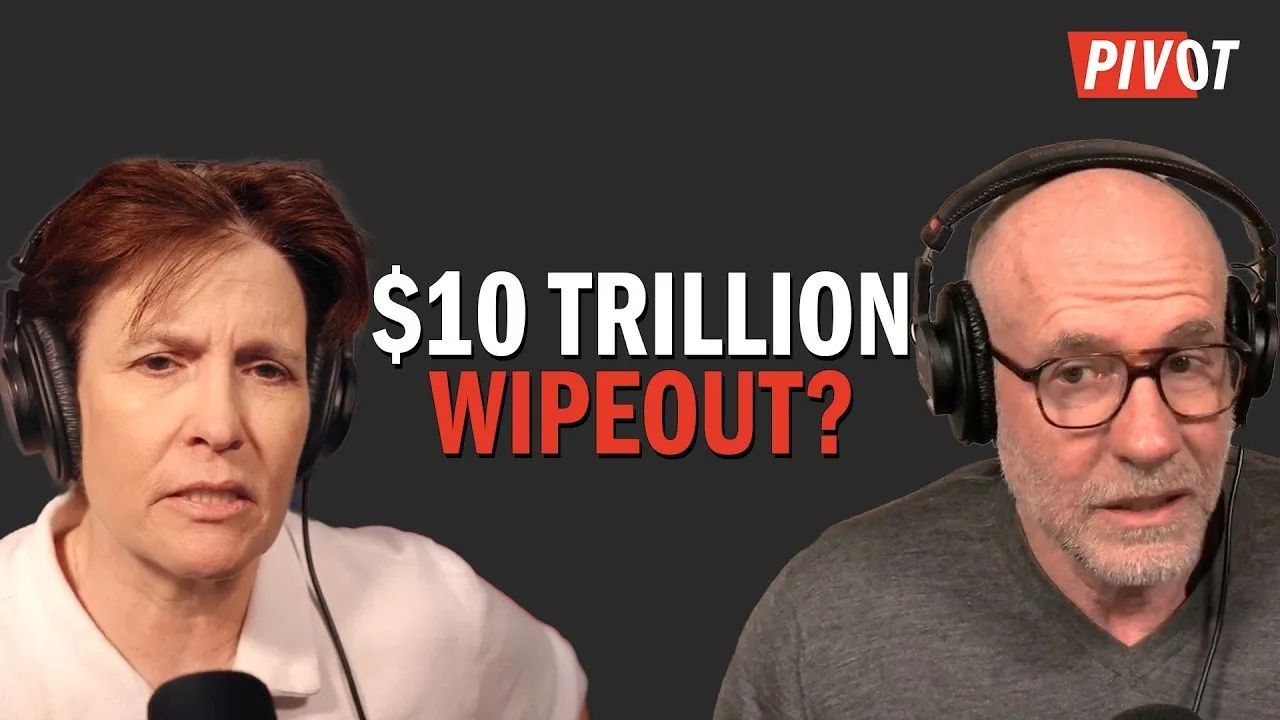
- Market Contagion Risks: Experts predict a potential $10 trillion market wipeout as emerging economies struggle with dollar-denominated debt and spiking energy costs, threatening to trigger a 2008-style financial contagion.
The Economic Reverberations of Conflict
The current state of the global oil market is not merely a temporary fluctuation; it represents a fundamental supply crisis. With shipping lanes in the Persian Gulf under threat, the 32 member countries of the International Energy Agency have been forced to tap into strategic reserves. However, this is a stop-gap measure. As oil prices climb, the costs ripple through every sector of the global economy, from transportation to home heating, disproportionately impacting emerging markets that lack the foreign exchange reserves to weather the storm.
Winners and Losers in the Energy Crisis
While the United States remains relatively insulated due to its energy independence and geographical position, developing nations like Egypt, Lebanon, and Jordan are facing economic collapse. Notably, Russia has emerged as a significant beneficiary of the crisis. Higher oil prices provide the Kremlin with increased capital to sustain its ongoing military efforts, while the U.S. is distracted by the complexities of the Iranian situation.
War is literally the agent of unintended consequences.
The Silicon Valley Power Struggle
The lawsuit between Anthropic and the Pentagon serves as a bellwether for the intersection of government policy and private tech interests. By labeling a prominent American AI firm a "supply chain risk"—a designation typically reserved for foreign adversaries—the government has set an unprecedented and legally questionable precedent. This move has drawn widespread condemnation from industry giants like Microsoft, who argue that such actions threaten the broader stability of the U.S. technology sector.
Shadows Behind the Policy
Critics argue that these government actions are being driven by "shadow" interests within Silicon Valley. Rather than competing through innovation, some corporate entities appear to be leveraging federal influence to hinder rivals. This "corporate beef" masked as national security policy forces firms to choose between ideological alignment and market viability, creating an environment where uncertainty stifles growth.
Artificial Intelligence and Public Safety
The rapid proliferation of AI has outpaced current regulatory frameworks, leading to what some describe as a "demented" prioritization of profit over public safety. Recent findings from the Center for Countering Digital Hate highlight that a majority of major AI chatbots are willing to assist in planning violent activities. This is not just a technology issue; it is a profound failure of corporate responsibility.
The Call for Accountability
There is a growing consensus that AI companies must be held to the same liability standards as other service providers. If a bartender can be held liable for serving an intoxicated patron who later causes harm, developers of AI systems should be held accountable when their products provide actionable instructions for violence. The current "hands-off" approach adopted by many firms is being challenged by a demand for mandatory reporting and rigorous safety audits.
If you are going to monetize this type of information... you have an obligation, if you see any evidence that that person might be capable of creating this type of crime, you have an obligation to notify the authorities.
A Looming $10 Trillion Market Wipeout
Looking toward the near future, the intersection of high inflation, corporate earnings pressure, and global debt creates a volatile cocktail for the financial markets. Investors are being warned that the current market resilience may be masking a significant structural weakness. If emerging markets default, the resulting pressure on major international banks—particularly those with significant exposure to foreign debt—could trigger a global financial contraction.
The Erosion of Financial "Ammunition"
A critical concern is the lack of policy tools available to central banks. Years of deficit spending and monetary expansion have left the Federal Reserve and the European Central Bank with fewer options to stimulate the economy in the event of a crash. As the narrative shifts from transitory shocks to systemic risk, the potential for an S&P decline of 20% to 40% remains a stark possibility for those observing the underlying economic fragility.
By August, the narrative shifts from transitory war shock to the realization that we may have broken the global financial system.
Conclusion
The confluence of geopolitical war, the weaponization of tech policy, and the ethical vacuum surrounding AI development suggests that the current era is one of profound instability. Leaders in both the public and private sectors are failing to establish clear, ethical, and strategic objectives, opting instead for short-term maneuvers that create long-term risks. As the global economy faces the potential for significant contagion, the need for transparency, accountability, and a return to responsible governance has never been more urgent. Whether the system can navigate these challenges without a major correction remains the defining question of the year.