Table of Contents
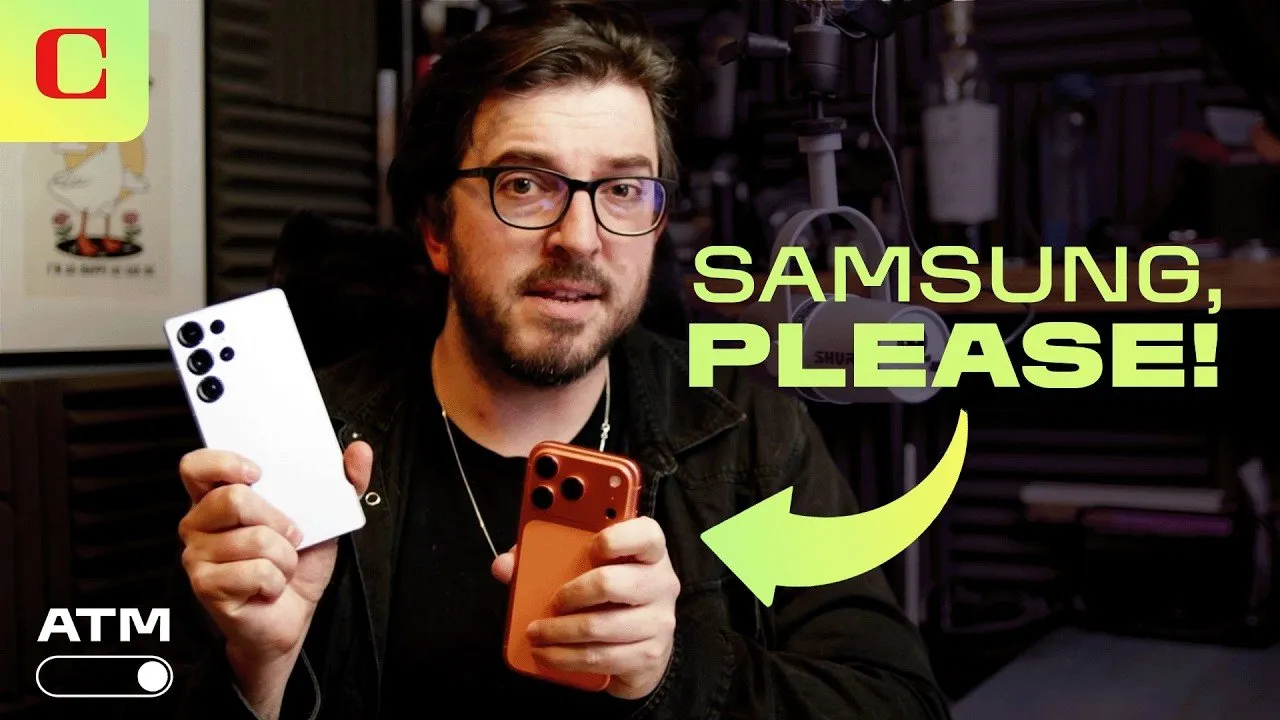
With the launch of the Samsung Galaxy S26 Ultra expected in the coming weeks, industry veterans and tech analysts are calling for a significant strategic shift from the South Korean giant. After several generations of incremental updates, the pressure is mounting for Samsung to overhaul its hardware specifications and design philosophy to maintain its dominance against increasingly aggressive competition from Apple, Xiaomi, and OnePlus.
Key Takeaways
- Camera Hardware: Critics argue Samsung must adopt larger image sensors similar to the Xiaomi 14 Ultra to compete with mirrorless camera quality.
- Form Factor: There is growing demand for a "Mini" Ultra model that offers top-tier specifications in a smaller chassis, mirroring Apple’s Pro vs. Pro Max strategy.
- Battery Stagnation: Analysts note that Samsung’s battery capacity and charging speeds have remained largely unchanged for four years, lagging behind competitors using silicon carbide technology.
- Market Economics: Component shortages and potential tariffs suggest the S26 Ultra may see a price increase, breaking the pricing stability of previous generations.
The Imaging Stakes: Hardware and Community Ecosystems
For years, Samsung’s "Ultra" line has been defined by its photographic capabilities, particularly in zoom and low-light performance. However, recent analysis suggests that while the software has evolved, the core hardware has plateaued. Industry experts point to competitors like the Xiaomi 14 Ultra, which utilizes a massive main sensor to achieve superior dynamic range.
To recapture the market lead, reviewers suggest Samsung needs to move beyond high megapixel counts and focus on sensor physical size.
"The camera hardware hasn't really changed all that much in the last few generations, and it's starting to feel like Samsung needs to go big... slapping a much bigger image sensor [in the S26 Ultra] truly allows me to take photos that look like they were captured on a mirrorless camera."
The Opportunity for "Style Recipes"
Beyond hardware, there is an untapped opportunity in software community building. While Samsung currently offers robust filter customization, it lacks a streamlined sharing ecosystem. Analysts point to Fujifilm’s success with "film recipes"—user-created presets that can be easily shared and loaded onto other cameras—as a model Samsung should replicate.
By allowing users to export and share complex color grading presets, Samsung could foster a dedicated enthusiast community. This strategy would not only enhance user engagement but also create a "lock-in" effect similar to Apple’s ecosystem or Fujifilm’s cult following.
Design Philosophy: Size and Aesthetics
The current trend of "Ultra" phones equating to "maximum physical size" is facing pushback. The Galaxy S25 Ultra, measuring 6.9 inches, has drawn criticism for being unwieldy for one-handed use. Market data from competitors indicates a strong consumer desire for premium internal specifications without the phablet dimensions.
Apple successfully addresses this by offering the iPhone Pro and Pro Max—identical performance in two sizes. Tech commentators are urging Samsung to adopt a similar approach, potentially sacrificing the integrated S Pen to create a compact S26 Ultra variant.
Furthermore, there is a call for a departure from the "muted" and "classy" color palettes that have defined recent generations. With competitors like the iPhone 17 Pro launching in bold options like "Cosmic Orange," there is a clear consumer appetite for vibrant, expressive hardware designs reminiscent of the Motorola Razr era.
Power Management and Battery Technology
One of the most critical areas for potential improvement is power management. The Galaxy S series has maintained a 5,000 mAh battery cap and 45W wired charging speeds since the launch of the S22 Ultra four years ago. In the fast-moving world of mobile technology, this stagnation is becoming a liability.
Newer battery technologies, such as silicon carbide based cells, have allowed competitors to pack significantly more power into similar form factors. For instance, the US-available OnePlus 15 features a 7,300 mAh battery with charging speeds exceeding 80W. To remain competitive as a flagship device, the S26 Ultra will likely need to bridge this gap.
Economic Headwinds and Pricing Outlook
While consumers hope for aggressive hardware upgrades, economic realities may complicate the S26 Ultra’s market entry. The previous generation managed to hold its launch price steady, but global supply chain issues are resurfacing.
Current market indicators, including ongoing RAM shortages, shifting tariff policies, and general economic fluctuations, suggest that component costs are rising. Analysts predict that Samsung may be forced to increase the retail price of the S26 Ultra to maintain margins. If a price hike occurs without the accompanying hardware leaps—specifically in camera sensor size and battery tech—the device may struggle to justify its premium positioning against more aggressively priced rivals.
As the official announcement approaches, the industry watches to see if Samsung will maintain the status quo or deliver the radical reinvention required to secure its leadership in the Android ecosystem.


![Fidelity Just EXPOSED Crypto's Biggest Secret [Not What You Think]](/content/images/size/w1304/format/webp/2026/02/fidelity-2026-crypto-outlook-revenue-sharing.jpg)