Table of Contents
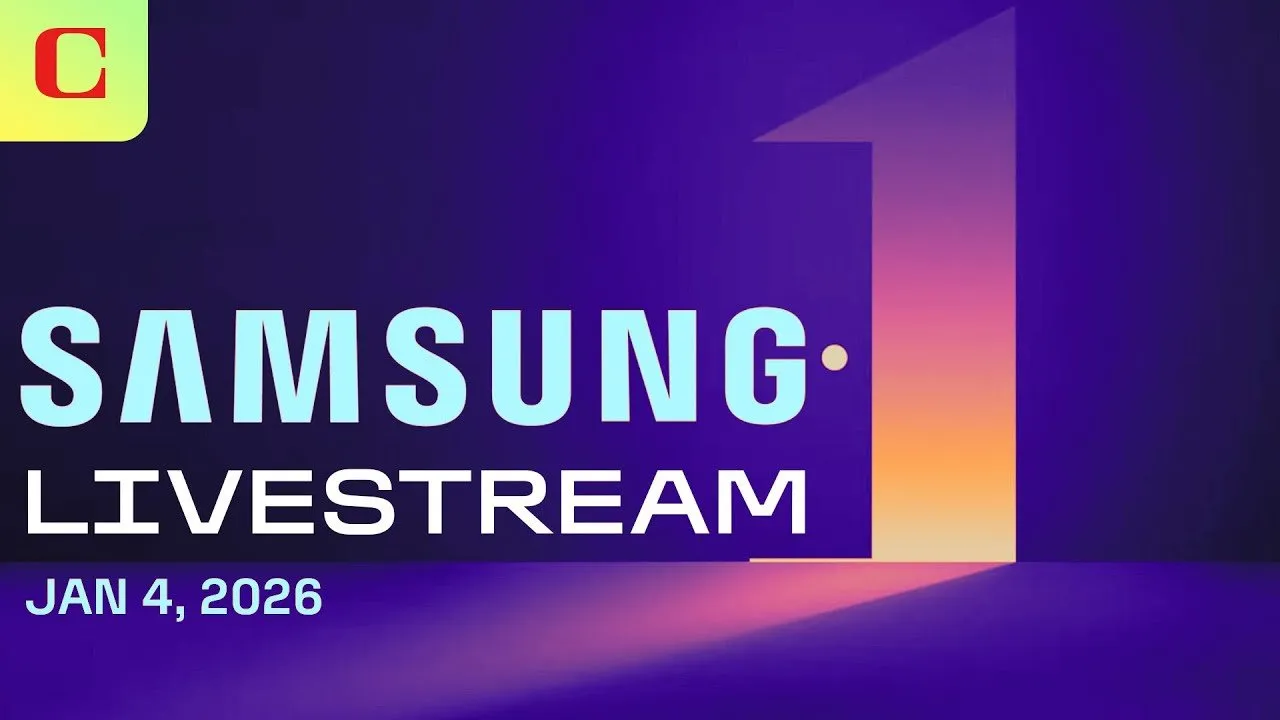
At CES 2026, Samsung Electronics unveiled a comprehensive "AI Living" strategy, committing to embedding artificial intelligence across its entire portfolio of 500 million annual devices to create a unified, proactive ecosystem. CEO TM Roh announced the initiative alongside major hardware reveals, including a massive 130-inch Micro RGB display and generative AI updates to the Tizen OS and SmartThings platforms, positioning the company’s products as "companions" rather than mere tools.
Key Takeaways
- Universal AI Integration: Samsung announced a "One Samsung" strategy to embed AI into every product category, from phones to home appliances, underpinned by Samsung Knox security.
- Display Innovation: The company introduced the world's first 130-inch Micro RGB TV and the "Vision AI Companion," which provides real-time context for sports and entertainment.
- Smart Home Insurance: A new partnership with Hartford Steam Boiler (HSB) will leverage appliance data to offer reduced home insurance premiums based on proactive risk monitoring.
- Health Monitoring: New "Intelligent Care" features include a beta tool for detecting early behavioral signs of cognitive change in aging relatives.
- Generative AI in Kitchens: Family Hub refrigerators now utilize Google Gemini for advanced food recognition and recipe generation.
The "AI Living" Ecosystem
Opening the "First Look" event, CEO TM Roh outlined a strategic pivot from hardware excellence to "AI Living." The company plans to leverage its unique position—shipping half a billion devices annually—to create a seamless, multi-device intelligence network. Unlike competitors focused on single-device AI, Samsung aims to utilize both on-device AI for privacy and cloud AI for complex processing to create a consistent interface across the home.
Roh emphasized that trust is the currency of this new era. With AI deeply integrated into daily routines, the company is doubling down on its Samsung Knox security platform to protect user privacy and governance.
"Our mission is clear: to be your companion to AI living. We will embed AI across every category, every product, and every service to deliver one seamlessly unified AI experience... No company can do what we do." — TM Roh, CEO of Device Experience, Samsung Electronics
Visual Display: Micro RGB and Vision AI
In the visual display sector, Samsung introduced a significant technological leap with Micro RGB technology. Moving beyond MicroLED, this new display tech utilizes microscopic red, green, and blue diodes that shine independently to produce the company's purest color spectrum to date. The flagship model for 2026 is a 130-inch Micro RGB TV, which executives claimed offers "cinema-quality immersion."
Beyond hardware, the new Vision AI Companion (VAC) represents a shift in how consumers interact with televisions. Powered by Tizen OS, VAC offers contextual awareness. For example, during live sports, the AI can project win probabilities and player stats, or filter out commentary in favor of stadium noise. In lifestyle applications, viewers can query the TV about a dish appearing on screen, prompting the AI to identify the recipe and send it directly to a connected Samsung oven or refrigerator.
The company also announced HDR10+ Advanced, with Amazon Prime Video confirmed as an early partner, and "Eclipsa Audio," a spatial sound technology co-developed with Google.
Appliance Intelligence and Market Implications
Samsung’s digital appliance division focused on the transition from "smart" devices to "home companions." A key highlight was the integration of Google Gemini into the Family Hub refrigerator’s "AI Vision Inside." This upgrade allows the appliance to recognize a broader range of food items, read labels, and suggest recipes based on current inventory and user health data.
Perhaps the most significant financial development for consumers is the partnership with Hartford Steam Boiler (HSB). This collaboration introduces a "smart home savings" program where data from connected appliances helps assess risk. For instance, sensors that detect water leaks early can prevent costly damage, allowing insurers to offer lower premiums. Following a successful pilot in the US, this program is expanding nationally in 2026.
"Knowing that you have appliances smart enough to alert you to a small leak before it floods your kitchen, we can help you avoid costly, time-consuming claims. HSB is creating a bridge between Samsung and insurance." — Greg Baratz, CEO, Hartford Steam Boiler
The Future of Proactive Health
The event concluded with a focus on digital health, marking a transition from reactive treatment to proactive care. Dr. Pravin Raja, Vice President of Digital Health, unveiled "Intelligent Care," which synthesizes data from wearables, phones, and appliances to monitor sleep, nutrition, and heart health.
The most ambitious announcement was a new feature designed to support the "sandwich generation" caring for aging parents. By analyzing behavioral trends—such as changes in sleep patterns, speech cadence, or daily routines—Samsung’s AI aims to identify subtle, early signs of cognitive change. While the company clarified this is not a medical diagnosis tool, it is intended to provide families with data to seek professional guidance earlier than usual.
These health initiatives are supported by Samsung's recent acquisition of Zelt, which facilitates the integration of personal health data with healthcare providers for faster clinical responses.
Samsung’s 2026 strategy signals a decisive move to monetize its hardware ecosystem through services and intelligent integration. By locking users into a helpful, interconnected web of devices—from insurance-discounting washing machines to health-monitoring wearables—the company aims to increase brand loyalty and recurring engagement in an increasingly saturated hardware market.