
Table of Contents
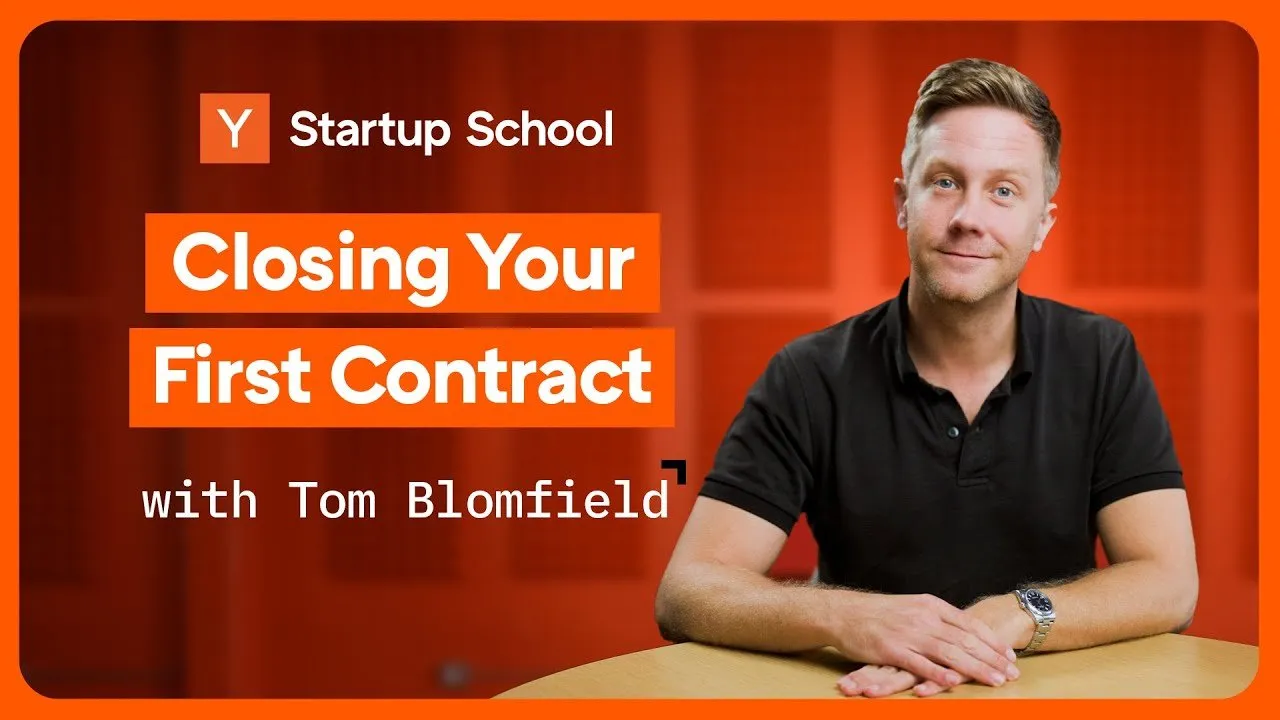
Most B2B founders make the same costly mistakes when selling their first contracts. They get trapped in endless design partnerships that drag on for months without payment, or they run pilots that never convert to revenue. The path from your first customer conversation to recurring revenue doesn't have to take forever.
Key Takeaways
- Design partnerships should be short, focused, and aimed at identifying narrow problems you can solve in 48 hours
- Free trials work best when they have clear success metrics, defined timelines, and proven value equations
- Paid pilots create customer commitment, but recurring contracts with opt-out periods eliminate the need for a second sales process
- Getting to first value quickly matters more than building a bug-free product in the early stages
- Security certifications like SOC 2 can delay deals by months, so start the process immediately
The Design Partnership Trap
Design partnerships sound appealing when you're just starting out. You get access to a big-name customer, spend time in their office observing their workflow, and co-design a product that meets their exact needs. The fancy logo on your website feels like progress.
The reality is far different. Most design partnerships stretch for three to six months with poorly defined scope and suffer from chronically low customer engagement. Since the customer isn't paying for your time, they prioritize their own business over your product development sessions. The entire engagement becomes vague and meandering.
How to Make Design Partnerships Work
When you do sit next to customers and observe their work, focus on identifying narrow automation opportunities. Ask targeted questions like "What's the part of your job you hate the most?" or "If you could wave a magic wand, what part of your work would you eliminate?"
Some founders take this research to extremes. The most successful ones have gone undercover, getting qualified as auditors, real estate agents, or accountants to deeply understand the problem domain. This hands-on experience helps them identify burning problems they can solve.
The goal is finding a narrow problem you can build a solution for in as little as 48 hours. Bring that wedge product back to the customer and iterate until they love it. Once they're happy to pay for your wedge product, resist the urge to keep building. Instead, take that same narrow solution and sell it to ten similar customers.
Avoiding the Unpaid Dev Shop Problem
Many customers treat founders in design partnerships as free development resources. They provide extremely detailed software requirements lists that keep growing, relevant only to their specific business. Founders, desperate to make their first customer happy but too hesitant to ask for money, end up doing months of bespoke work for free.
More features aren't the answer. Pick an initial wedge product and sell it aggressively for a couple of weeks. If it doesn't work, pick a different wedge and try again.
Moving Beyond Free Trials
Once founders recognize that endless design partnerships waste time, they typically move to free trials, pilots, or proof of concepts. You have an initial product built, but you lack social proof that it actually works, so customers naturally want to test it before committing financially.
Free trials suffer from the same problems as design partnerships. They run too long, often two to three months, with no clear target or end goal. Customer commitment remains low because there's no financial stake involved.
Defining Success Metrics
Effective pilots require clarity about what you're trying to prove. You need agreed-upon success metrics and a clear value equation. For example, if you're selling customer service AI, you might claim your product can solve 20% of inbound queries, allowing the customer to reduce their team from 100 people to 80 people, saving $1 million annually.
A well-designed pilot proves this value. Give the customer a sample of 1,000 queries and measure how many you actually solve. Is it really 20%, or closer to 15% or 25%? Your internal champion can then take this proof to their CFO, showing that a $200,000 investment delivers $1 million in benefit.
Risk Reduction Strategies
Different techniques help convince cautious buyers. You can offer backtesting on historical data, side-by-side trials with existing processes, or taking on just 1% of their total volume as a low-risk test. You might focus on a smaller geography before expanding to larger markets.
The key is showing your product works in a lower-risk environment where your champion won't get fired if something goes wrong. But founders often avoid discussing willingness to pay, fearing it might scare customers away. This fear is almost always misplaced.
If I can solve this problem for you and deliver these metrics we've talked about, how much would that be worth to you?
You need to disqualify customers who aren't ready, able, or willing to buy your product. Having this conversation early saves everyone time.
The Power of Paid Pilots
Getting financial commitment upfront transforms customer behavior. When customers pay for pilots, they take the process much more seriously and won't want to waste their money. Beyond the pilot cost, discuss their willingness to pay for the full product and establish the annual fee and price point.
If you need to avoid lengthy procurement processes, ask your champion about their personal approval limit. Maybe they can put $10,000 or $20,000 on their corporate credit card. Taking less money to shortcut a long approval process often makes sense.
Ensuring Pilot Success
Beyond financial commitment, secure other commitments that ensure pilot success. If you're working with auditors or accountants, wait until they have a live project that's suitable for testing your product. Insist on having client data ready and a dedicated person or team on the customer side.
Schedule check-ins every couple of days. If customers find bugs or issues, you can fix them overnight and return with solutions, which impresses enterprise customers. Keep timeframes as short as possible, just long enough for customers to use your software and experience full benefits. Seven to 14 days often works well for dialed-in products.
Time to First Value
In early-stage sales, you're not selling a complete, bug-free experience. You're selling the founders and early team. You're promising personal accountability and 24/7 responsiveness when problems arise.
Track time to first value as a north star metric. Reducing this from weeks to hours often provides the biggest single lever for higher pilot-to-paid conversion. This means doing "janky" things to get your product live quickly.
Never do full API integrations during pilots if they require customer engineering time, as this delays progress by months. Work from Excel imports and exports, or ask customers to email data and email back completed work. The goal is helping customers experience value as quickly as possible.
Book a post-pilot meeting before the pilot starts. This meeting reviews metrics and shows hard ROI numbers, making it crystal clear whether customers want to continue using your software.
The Pro Move: Recurring Revenue Contracts
Paid pilots still require negotiating full contracts afterward, creating a second sales process just when you thought you had a committed customer. Sophisticated founders avoid this by moving directly to recurring revenue contracts with opt-out periods.
These contracts typically run monthly or annually with 30 or 60-day money-back guarantees at the start. By default, if customers do nothing and remain satisfied, the contract automatically becomes a full recurring agreement after the opt-out period, with no additional sales process required.
Well, this is how customers buy our product. Typically, we offer annual contracts with a 30-day grace period.
This approach works like magic. One sales process converts directly into recurring revenue. It's persuasive in sales meetings when you can confidently state that other customers have signed on these same terms.
Early-stage founders might not be ready to leap directly to this step. Their sales process might need refinement, they may lack social proof, or their product might not be ready. Starting with free pilots for the first couple of customers, then progressing, can work. But don't remain stuck in the crawling stage too long.
Investor Communication
Be careful what you report as MRR or ARR to investors, especially for customers still in opt-out periods. Clearly communicate where customers sit in the process when reporting these numbers. The tactic remains sound, but transparency with investors is crucial.
Customer Success and Implementation
When you've got early sales dialed in and you're closing recurring revenue contracts weekly or biweekly, customer success becomes the next focus. After signing contracts, you often need to dedicate equal or greater effort to onboarding customers and ensuring they extract value from your product.
One company recently signed $4 million in contracts but implemented less than $2 million worth. They were missing a customer success function entirely. Revenue means nothing if customers can't successfully use what they've purchased.
Advanced Sales Tactics
Security and Compliance
Start SOC 2 certification immediately, along with other relevant certifications like HIPAA or ISO 27001. These security requirements can delay deals by months, so begin the process today rather than waiting until a customer asks.
Champion Development
Identify your internal champion and treat them like a co-founder inside the company. This person sells for you when you're not in the room and fights budget battles on your behalf. Work together to set defined closing dates. They'll miss these dates almost every time, but the deadline creates internal urgency.
Ask champions to describe their buying process upfront: "Describe the last time you bought software like this. Who internally had to approve it? What was the process?" Map the organization to identify the economic buyer, technical approver, security gatekeeper, legal team, and day-to-day users. Devise explicit plans to win over each stakeholder.
Driving the Process Forward
Once you understand the buying process, drive it forward yourself. Never leave meetings without setting up the next touchpoint. Get on planes and visit customers in person when deals stall. Email your champion: "Hey, I'm going to be in Houston next week. What do you say about getting lunch?" If they say yes, book your flight.
Don't get caught up in multiple rounds of contract or NDA reviews. Customer legal teams love redlining contracts, but this slows you down tremendously without preventing much real risk. Be flexible about signing what early customers want, as long as you're not exposed to unlimited liability or clauses that transfer your product IP to customers.
Ask yourself whether contract clauses are company-ending or just slight annoyances. Put up with anything that won't end your company.
Creating Urgency
Scarcity can be effective: "We're talking with seven or eight potential customers, but we really only have capacity to work with two enterprise customers this quarter. If you're interested, we'd love to get a commitment. Otherwise, let's talk again in six months."
Conclusion
The progression from design partnership to recurring revenue contract represents a maturation in both your product and sales process. Most founders get stuck in the early stages, running overly long unpaid partnerships that never convert to revenue. The key is progressing through each stage as rapidly as possible while ensuring your product can deliver real value.
Success in B2B sales comes down to creating clear value propositions, establishing genuine customer commitment, and systematically removing friction from your sales process. Whether you're conducting your first design partnership or closing your fiftieth recurring contract, focus on solving narrow problems exceptionally well rather than building broad platforms prematurely.
The founders who master this progression find themselves closing new ARR every week, building sustainable businesses on predictable revenue streams. The ones who remain stuck in endless free partnerships often run out of runway before finding product-market fit.


![Trump Market Manipulation Will Trap You! [This Happens Next]](/content/images/size/w1304/format/webp/2026/03/trump-market-manipulation-volatility-warning.jpg)
