Table of Contents
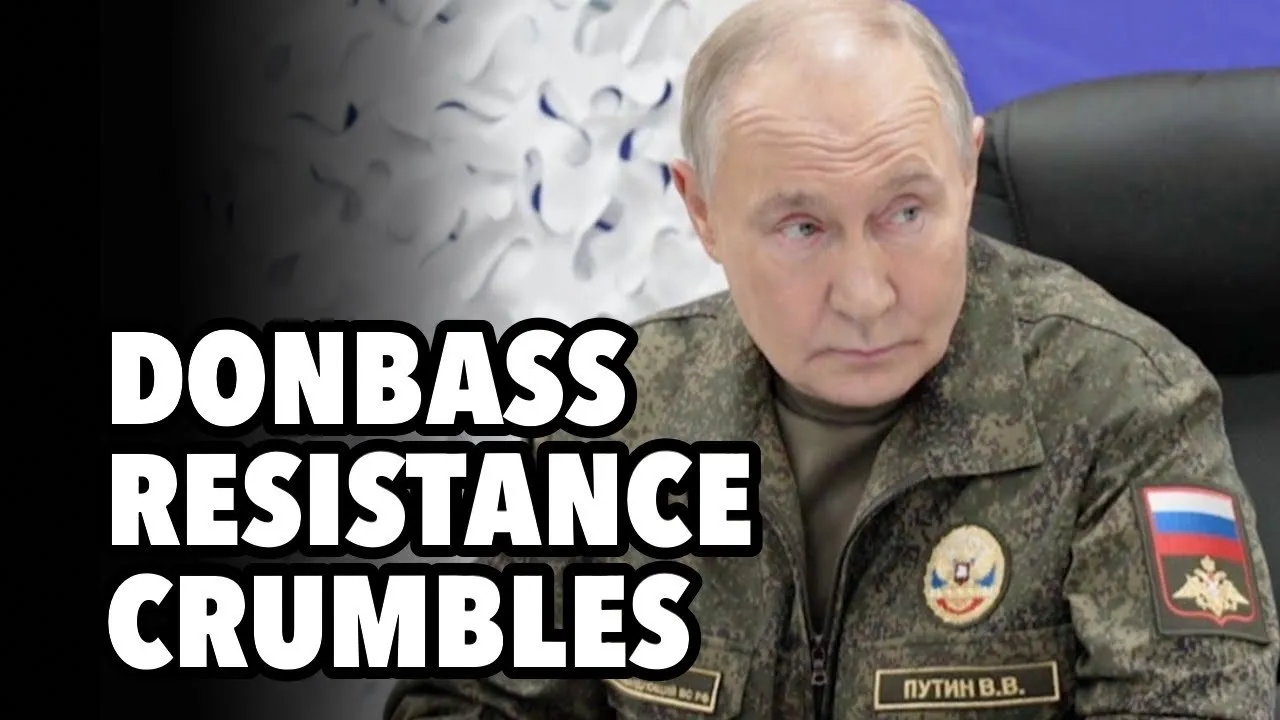
The military situation in Ukraine has reached a critical juncture in 2025, with Russian forces making substantial territorial gains across multiple fronts. Recent announcements from Russian military leadership, confirmed through battlefield footage, indicate the capture of several strategically important cities and towns, fundamentally altering the conflict's trajectory and raising questions about Ukraine's ability to maintain defensive positions in key regions.
Key Takeaways
- Russian forces have captured major population centers including Pokrovsk, Mirnograd, and Gulyaipole, with photographic evidence confirming territorial control
- The fall of these strategic locations positions Russia to potentially complete control of Donetsk region and advance toward full control of Zaporizhzhia
- Ukrainian military claims disputing Russian territorial gains lack corroborating evidence, while Russian advances are documented through released footage
- High-level intelligence assessments suggest Ukraine faces mounting challenges with troop desertion and deteriorating defensive capabilities
- The pace of Russian territorial gains has accelerated significantly compared to earlier phases of the conflict
Major Territorial Changes in Donetsk Region
Strategic City Captures Reshape Front Lines
Russian military leadership reported to President Putin the successful capture of three critical urban centers in the Donetsk region. Pokrovsk, previously a key Ukrainian logistics hub, fell under complete Russian control alongside the neighboring city of Mirnograd. The simultaneous capture of Rodynskе, positioned north of both cities, creates a unified Russian-controlled zone that significantly strengthens their operational position.
These territorial gains represent more than symbolic victories. The capture of this urban triangle provides Russian forces with enhanced logistics capabilities and positions them to outflank Sloviansk from the south. Military analysts note that Sloviansk represents the final major Ukrainian stronghold preventing complete Russian control of Donetsk region.
Verification Through Combat Footage
Ukrainian military officials initially disputed Russian territorial claims, insisting their forces maintained positions in northern Pokrovsk and continued operations in Mirnograd. However, Russian forces subsequently released extensive footage showing their soldiers throughout these captured areas, including ceremonial flag-raising ceremonies that demonstrate operational control.
Even Ukrainian-affiliated sources have begun acknowledging these territorial losses. Julian Röpcke, a German journalist with close Ukrainian military contacts, confirmed that Mirnograd has indeed fallen under Russian control, lending credibility to Russian territorial claims.
Zaporizhzhia Region Developments
Historic City Falls in Rapid Campaign
The capture of Gulyaipole marks a particularly significant development in the southern front. This historically important Cossack center, the second-largest city in Zaporizhzhia region still under Ukrainian control, fell to Russian forces in approximately four weeks of fighting. The speed of this victory demonstrates Russian tactical improvements and potentially weakening Ukrainian resistance.
The battle for Gulyaipole was very fast, lasted just a few weeks.
Russian forces achieved this victory through crossing the Dnieper River and systematically breaking through Ukrainian fortifications. The rapid success suggests either reduced Ukrainian defensive capabilities or strategic redeployment of Ukrainian forces to other sectors.
Strategic Implications for Regional Control
Beyond Gulyaipole, Russian forces reportedly captured Stepnogorsk and positioned themselves to potentially encircle Orikhiv, another significant Ukrainian position. These advances create the conditions for establishing what military terminology calls a "cauldron" - an encirclement that traps defending forces.
Orikhiv holds particular symbolic importance as the launching point for Ukraine's unsuccessful 2023 summer counteroffensive. Its potential fall would eliminate another key Ukrainian defensive position and further consolidate Russian territorial gains in the region.
The Kupiansk Diversion and Strategic Messaging
Media Focus Versus Military Reality
While major territorial changes occurred in Zaporizhzhia, Ukrainian leadership concentrated media attention on claimed counteroperations near Kupiansk. This focus appears disconnected from the strategic importance of developments elsewhere, raising questions about Ukrainian military prioritization and decision-making processes.
The emphasis on Kupiansk operations may reflect what analysts describe as Ukraine becoming "trapped inside their own narratives." Previous statements by Ukrainian leadership claiming successful defensive operations in the area created pressure to demonstrate tangible results, potentially diverting resources from more critical sectors.
Political Theater Over Military Strategy
Ukrainian leadership's approach appears increasingly focused on narrative control rather than military effectiveness. The deployment of significant brigade-level forces to support limited operations near Kupiansk, while major cities fell elsewhere, suggests prioritization of political messaging over strategic military considerations.
The whole thing about the Ukrainians is that they're more about PR and narrative control.
This pattern extends to high-level political theater, including photo opportunities designed to project strength and control. However, such activities may inadvertently undermine the very narratives they aim to support, particularly when conducted in contested areas.
Intelligence Assessments and Internal Dynamics
Realistic Military Analysis Emerges
Ukrainian intelligence chief Kyrylo Budanov has provided increasingly candid assessments of the military situation, stating that Russian forces have recruited an additional 400,000 personnel and are far from depleted or exhausted. His analysis directly contradicts public messaging from Ukrainian political leadership.
Budanov's assessment extends to negotiating dynamics, acknowledging that Ukraine represents the weaker party in any potential settlement discussions. This realistic appraisal contrasts sharply with continued political rhetoric about Ukrainian strength and Russian vulnerabilities.
Growing Military-Political Disconnect
The divergence between intelligence assessments and political messaging suggests internal tensions within Ukrainian leadership. Intelligence professionals appear increasingly willing to acknowledge military realities that political leaders continue to dispute publicly.
This disconnect may reflect broader international dynamics, with intelligence agencies potentially aligning with different international partners than political leadership. Such divisions could complicate Ukrainian strategic decision-making and coordination of military operations.
Implications for Future Military Operations
Accelerating Pace of Change
Military analysts observe that the pace of territorial changes has accelerated significantly throughout 2025, following patterns typical of attritional warfare where defensive positions gradually weaken until rapid breakthroughs occur. The simultaneous fall of multiple significant positions suggests this acceleration may continue.
Russian forces demonstrate improved coordination between different operational sectors, achieving gains in both Donetsk and Zaporizhzhia regions simultaneously. This multi-front pressure complicates Ukrainian defensive planning and resource allocation.
Defensive Capability Challenges
Reports of rapidly falling defensive positions, particularly the quick capture of Gulyaipole, suggest potential degradation of Ukrainian defensive capabilities. Factors may include troop fatigue, equipment shortages, or strategic redeployment, but the pattern indicates systemic challenges.
Apparently, one of the reasons why Gulyaipole fell so fast was that Ukrainian soldiers fled rather than resist.
Increasing desertion rates reflect growing skepticism among frontline personnel about strategic objectives and ultimate victory prospects. This human factor may prove as significant as material considerations in determining future military developments.
Conclusion
The territorial developments across Donetsk and Zaporizhzhia regions represent significant strategic shifts that extend beyond individual battlefield victories. The capture of major population centers, combined with evidence of accelerating operational tempo, suggests fundamental changes in the conflict's trajectory. Ukrainian responses focused on narrative control rather than military adaptation may prove insufficient to address these evolving challenges.
The disconnect between intelligence assessments and political messaging within Ukrainian leadership reflects broader tensions about strategic direction and priorities. As territorial pressures increase, these internal divisions may significantly impact Ukraine's ability to develop coherent responses to changing military realities. The coming months will likely determine whether current trends continue or whether new approaches emerge to address these mounting strategic challenges.