Table of Contents
The diplomatic landscape surrounding the conflict in Ukraine appears to be grinding to a halt. Recent high-level meetings in Geneva, involving figures like the Russian Direct Investment Fund head Kirill Dmitriev, have yielded little in the way of tangible progress. As Western narratives continue to frame the war as a stalemate, the reality on the ground—particularly in the Donbass region—suggests a different, more decisive trajectory. With negotiations largely stagnant, the outcome of this conflict is increasingly tethered to developments on the front lines rather than discussions in boardrooms.
Key Takeaways
- Negotiations have stalled: Diplomatic channels are effectively dormant as both sides maintain rigid positions, leaving little room for a breakthrough.
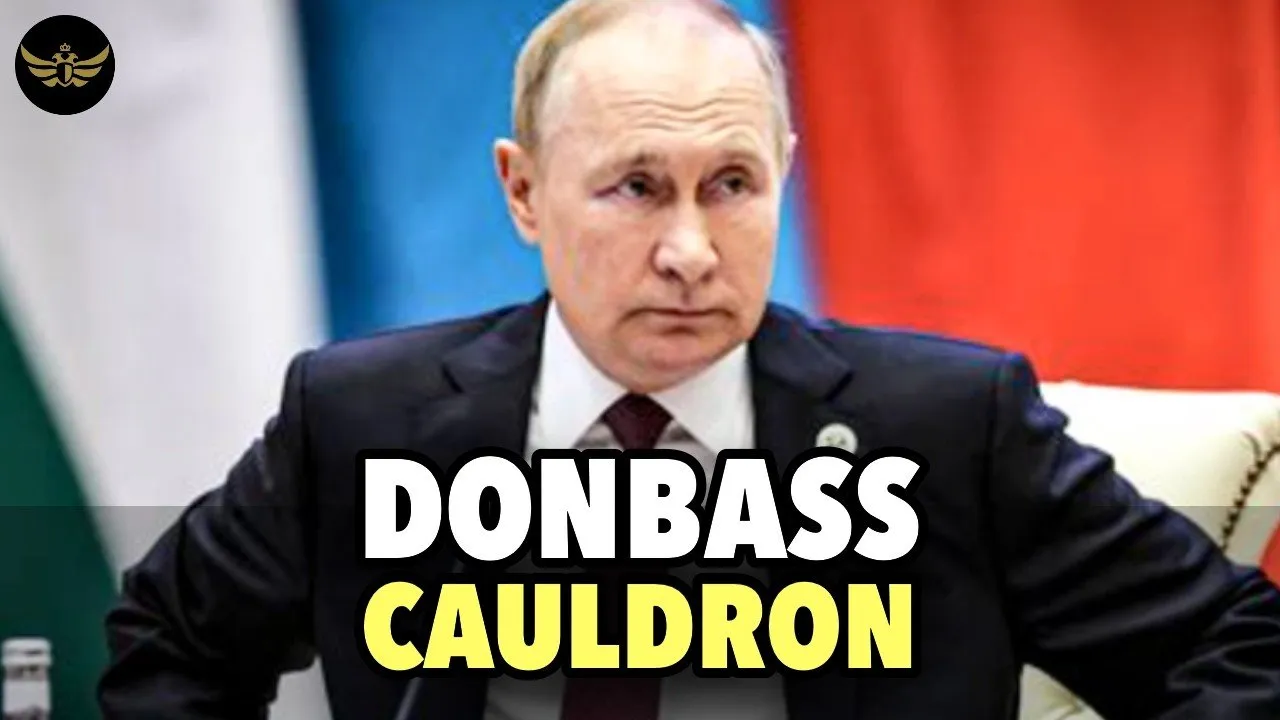
- The Donbass "Cauldron": Russian forces are advancing toward key urban centers, creating the potential for a large-scale encirclement of Ukrainian troops.
- Military reality vs. Media narrative: Official reports of a "stalemate" contradict shifting dynamics on the battlefield where Russian forces are gaining ground.
- Shift in Leadership Focus: Vladimir Putin has notably reduced his public commentary on the conflict, signaling a transition from political posturing to a military-led strategy.
The Waning State of Diplomacy
For months, the international community has watched for signs of a breakthrough in Ukraine, yet the diplomatic window seems to be closing. Recent encounters in Geneva involving Russian representatives were characterized by secrecy and a lack of official mandates. It has become increasingly clear that the appetite for substantive negotiation has evaporated.
The Disconnect Between Kyiv and Moscow
President Zelensky continues to insist on a rigid framework that includes no territorial concessions and firm security guarantees. Conversely, the Russian position—articulated through various channels—remains unmoved. With Western support fluctuating and the United States shifting its diplomatic bandwidth toward other geopolitical hotspots, such as the situation in Iran, the prospect of a negotiated settlement looks increasingly unlikely.
Until and unless the Americans are able to sort out Zelensky or get Zelensky to concede or push Zelensky aside and replace him with someone else, these negotiations aren't going anywhere at all.
The Battlefield: Moving Toward a Decisive Moment
While European officials often characterize the front lines as a static stalemate, military indicators suggest otherwise. The winter months have seen a series of tactical shifts that could define the strategic outlook for 2026. The focus has narrowed to the Donbass and Zaporozhye, which serve as the primary theaters for the war's endgame.
The Looming Cauldron in Donbass
The Russian military is systematically closing in on the final urban hubs still under Ukrainian control. The capture of key elevated positions, such as Ray-Alexandrovka, has provided Russian forces with tactical oversight of remaining Ukrainian strongholds like Slavyansk. Analysts warn that if Ukrainian forces do not retreat from these vulnerable positions, they risk becoming trapped in what could be the largest encirclement—or "cauldron"—of the conflict to date.
Shifting Strategy in Moscow
The relative silence from the Kremlin regarding the conflict has fueled speculation. After months of highly publicized briefings and meetings between Vladimir Putin and his general staff, the Russian president’s recent public appearances have been marked by a notable absence of war-related commentary.
Why the Silence?
This pivot suggests that the high-level debate regarding the "special military operation" has concluded. The Russian leadership appears to have made a strategic choice to deprioritize the negotiation track in favor of a purely military approach. By leaving the operational decisions to the military command, the Kremlin is effectively waiting for the battlefield to provide the leverage necessary to redefine the terms of any future discussions.
When those two cities and other big events start to happen on the military front lines, then but not before, we will be seeing Putin again.
Challenging the Western Narrative
A significant gap has emerged between the reporting found in major Western outlets and the data coming from the field. While mainstream media continues to cite immense Russian losses and a lack of territorial gain, dissident voices—and even reports from independent platforms—are beginning to question the validity of this information.
The Disinformation Gap
Evidence suggests that data surrounding casualty rates and drone effectiveness has been misinterpreted or intentionally obfuscated. Reports from the front lines indicate that the technological balance, particularly regarding the use of FPV drones, has shifted in favor of Russian forces. This accumulation of contradictory evidence suggests that the "stalemate" narrative may soon be undermined by hard evidence as the front lines begin to move.
Conclusion
The war in Ukraine has entered a critical phase where diplomatic theater has been replaced by the grim realities of high-intensity warfare. As the prospect of a negotiated peace fades, the focus remains fixed on the Donbass, where the coming months will likely prove decisive. For the observers and policymakers in the West, the reliance on previous assumptions about the conflict's duration and outcome may soon be forced to confront a rapidly changing reality on the ground.