Table of Contents
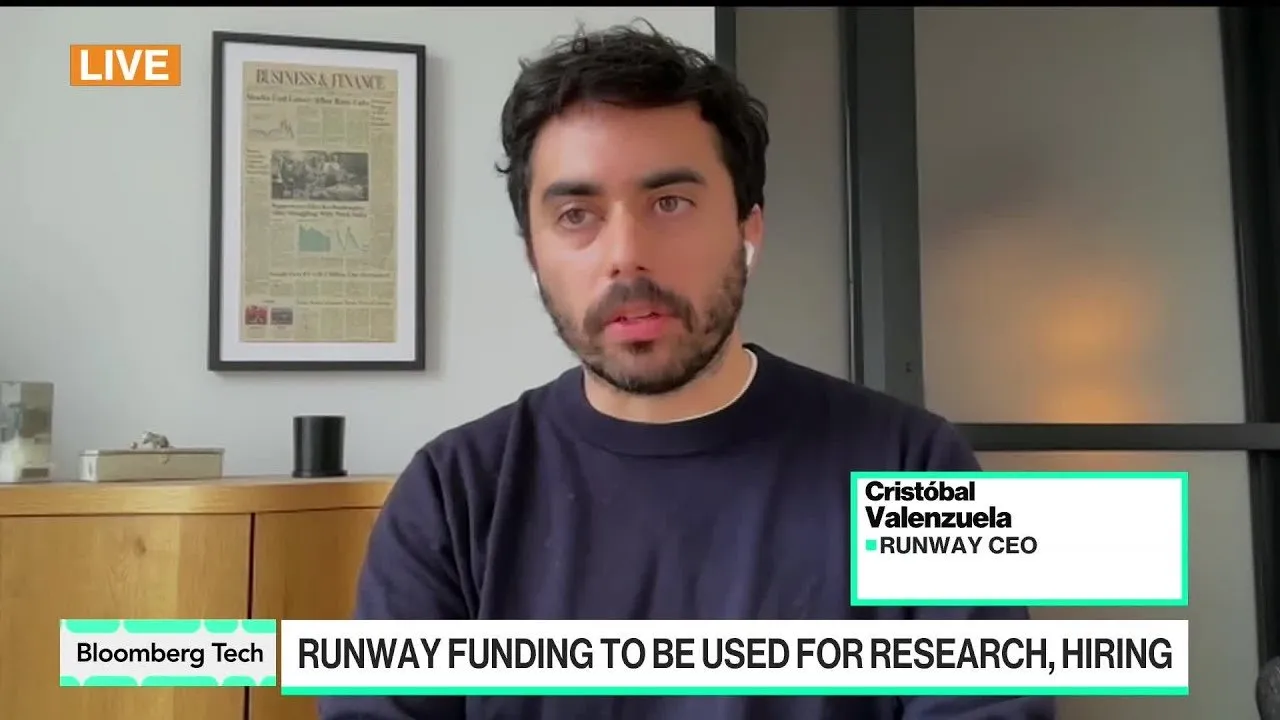
Runway, the artificial intelligence startup known for its pioneering video generation tools, has reached a valuation of $5.3 billion following a fresh funding round aimed at accelerating the development of "world models." CEO Cristóbal Valenzuela confirmed that the new capital will be deployed to expand computing infrastructure and talent, signaling a strategic pivot from creating media solely for human entertainment to building simulation engines that power robotics and physical AI.
Key Points
- Valuation Surge: Runway is now valued at $5.3 billion, reflecting strong investor confidence in generative video technology.
- Strategic Pivot: The company is transitioning focus toward "world models," which simulate physical reality rather than just generating imagery.
- Industrial Expansion: While continuing to serve Hollywood, Runway is expanding into "physical AI," creating training data for robots and autonomous systems.
- Private Strategy: Valenzuela confirmed the company plans to remain private to protect its ability to conduct long-term frontier research.
From Video Generation to World Simulation
While Runway established its reputation by providing generative video tools for filmmakers and artists, the company’s vision has expanded significantly. According to Valenzuela, the industry is moving beyond Large Language Models (LLMs), which merely describe text, toward General World Models (GWMs) that understand and simulate the physics of the environment.
"World models are basically eating research and eating AI," Valenzuela stated. He explained that this evolution represents the next frontier in artificial intelligence, where models do not just recognize patterns in data but understand the underlying dynamics of the physical world.
"Language models are basically describing reality. World models are simulating the world. And when you simulate the world, you can start tackling many different kind of industries."
Expanding Into Robotics and Physical AI
The implications of this technology extend far beyond the media and entertainment sectors. Runway is leveraging its simulation capabilities to enter the robotics and autonomous vehicle markets. By simulating realistic environments, the company can generate synthetic data essential for training physical AI systems.
Valenzuela noted that while the company remains the "best solution" for marketers and Hollywood, the utility of their models is shifting. "We have some of the best tools to create media and videos for humans to watch," he said. "We now started to create videos and media for robots to watch, and for those robots to learn from that data."
Market Impact and Labor Adaptation
Addressing concerns regarding the labor market, Valenzuela observed that industries are adapting rapidly to the "AI-native world." He pointed to the restructuring within advertising agencies and Hollywood studios, many of which have established dedicated AI departments. While acknowledging that certain tasks will be automated, he emphasized that this shift is creating new roles that were previously unimaginable.
Regarding the proliferation of synthetic media, Valenzuela offered a stark perspective on the future of content consumption. He suggested that society is approaching a tipping point where generated content will become the default.
"I would suggest everyone probably starts to assume that most of the content that you see out is gonna be generated. And in that case, what we should be kind of watermarking and protecting isn't necessarily the generated content. It's the real content."
Future Outlook: Remaining Private
Despite the high valuation and public interest, Runway intends to remain a private entity for the foreseeable future. Valenzuela argued that the pressure of quarterly reporting associated with public markets could hinder the "frontier research" required to advance world models.
Moving forward, Runway plans to aggressively hire researchers and acquire the massive computing power necessary to maintain its lead in the generative AI race, betting that the ability to simulate reality will become the foundational layer for the next generation of software and hardware alike.