
Table of Contents
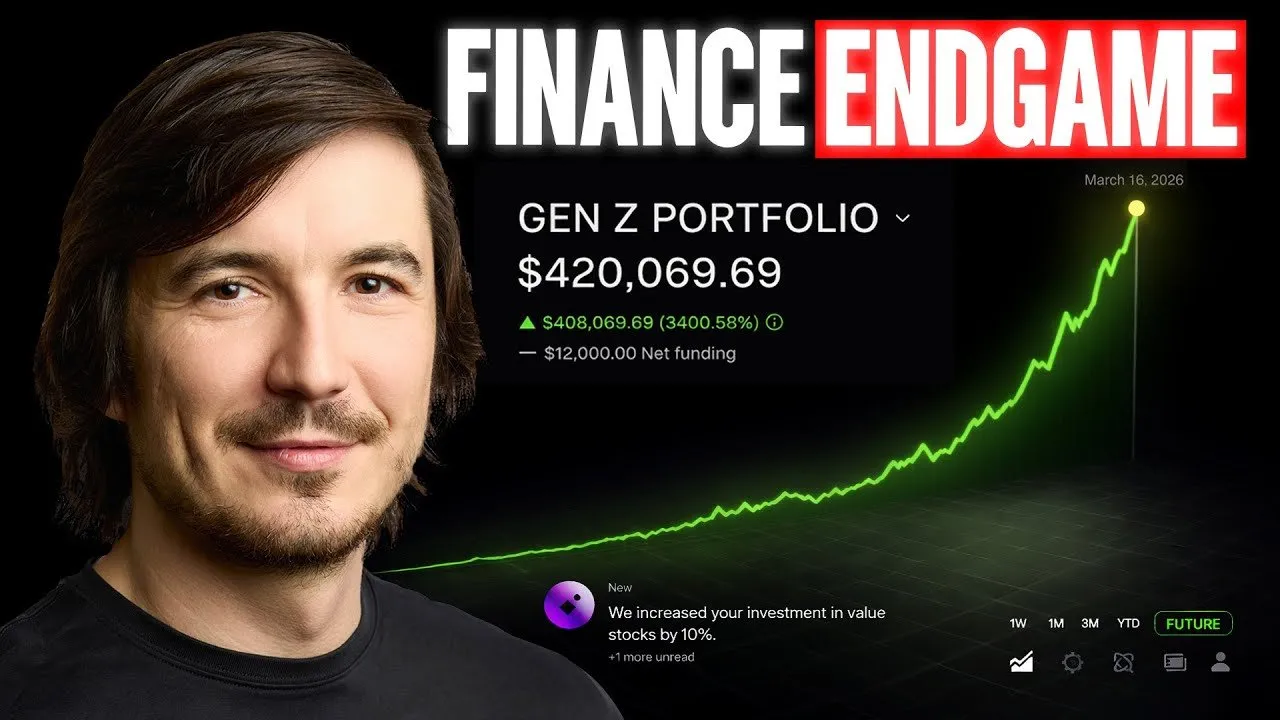
The financial landscape is currently undergoing a massive transformation, often referred to as the Great Wealth Transfer. As trillions of dollars pass from the Baby Boomer generation to their heirs, platforms like Robinhood are positioning themselves to capture this influx by rethinking the traditional brokerage model. In a wide-ranging conversation, Robinhood CEO Vlad Tenev shared his vision for the future of finance, emphasizing that the next generation of investors is more retirement-savvy than ever before.
Key Takeaways
- The Wealth Transfer Opportunity: Robinhood is building an ecosystem designed to serve both younger investors and the wealth they are set to inherit over the next decade.
- Gen Z Financial Sophistication: Contrary to popular narratives of "financial nihilism," younger generations are opening retirement accounts at record ages and prioritizing passive, long-term investments.
- The Push for 24/7 Markets: The industry is moving toward a 24/7, 365-day trading model, with tokenization playing a central role in providing liquid, real-time access to global assets.
- Full-Stack Financial Super Apps: Robinhood is evolving from a simple trading app into a comprehensive financial partner that integrates banking, credit, retirement, and decentralized finance (DeFi) into a single, personalized user experience.
- The Role of Prediction Markets: These platforms are increasingly viewed as "truth machines," providing alternative data sources for real-world events that traditional news media may fail to capture.
Serving the Next Generation of Wealth
As roughly $70 to $90 trillion prepares to shift between generations, Robinhood is not merely waiting for inheritance events to occur. Tenev notes that the company is actively working to make their ecosystem the most advantageous place for both the current holders of wealth and the beneficiaries. By expanding into banking, credit cards, and custodial accounts, the goal is to eliminate any friction that might cause a customer to keep their assets elsewhere.
Reframing Retirement
A surprising finding from the platform’s data is the early adoption rate of retirement vehicles by Gen Z. While public sentiment often characterizes younger investors as purely speculative, Tenev points out that Gen Z is opening retirement accounts at an average age of 19 or early 20s. This proactive behavior is supported by tools that simplify the once-clunky process of retirement planning, turning what was once a paperwork-heavy ordeal into a streamlined digital experience.
"Gen Z are the most retirement savvy and long-term investment savvy generation we've ever had."
The Future of Finance: 24/7 Markets and Tokenization
By 2040, Tenev envisions a financial world that operates entirely without traditional market hours. Robinhood has been at the forefront of this shift, testing 24-hour equity markets and exploring the potential of tokenized stocks. While the regulatory landscape in the United States remains a point of focus, the company is using its European operations to pilot these technologies, which could eventually bridge the gap between traditional finance and blockchain-based efficiency.
The Promise of Tokenization
Tokenization is not just about digitizing assets; it is about adding utility. By tying tokens to real-world assets rather than speculative "meme coins," financial platforms can create more efficient ways to trade, swap, and collateralize assets. The long-term goal is to allow retail investors to trade traditional markets—like gold or private equity—with the same technological speed and convenience currently found in the crypto ecosystem.
DeFi and the "Full-Stack" Strategy
Robinhood's strategy regarding decentralized finance is built on a full-stack approach. Through the development of the Robinhood chain and the integration of non-custodial wallets, the company aims to offer users a bridge to DeFi protocols while maintaining the security and UX quality of a centralized platform. This allows for a curated, safer entry point for customers who want to engage with complex financial protocols without the inherent risks of the "wild west" of crypto.
Prediction Markets as Information Machines
Prediction markets have emerged as a significant vertical for the platform. Tenev argues that these markets serve a vital societal function: acting as "truth machines." As users grow frustrated with the sensationalism of traditional news media, prediction markets offer a mechanism based on real-world outcomes and stake-weighted information, providing a clearer picture of unfolding events.
"More and more Americans are increasingly turning to prediction markets to have clarity on what's true or what's likely to happen."
This integration is further supported by the introduction of social features, allowing users to discuss their positions and insights. While critics argue this borders on gambling, Tenev maintains that there is a clear distinction between emotional, speculative betting and the systematic, data-driven approaches used by modern, informed traders.
Conclusion
Robinhood’s trajectory suggests a move toward becoming an interface-agnostic financial partner. Whether through web portals, mobile apps, or future AI-mediated agents, the company aims to act as a "family office" for the average person. By combining the accessibility of digital-first tools with the structural security of traditional finance, the platform is betting on a future where retail investors have a greater stake in both public and private growth. As legislation like the Clarity Act matures, the ability to merge these digital and traditional worlds will likely define the next chapter of the financial industry.
)