Table of Contents
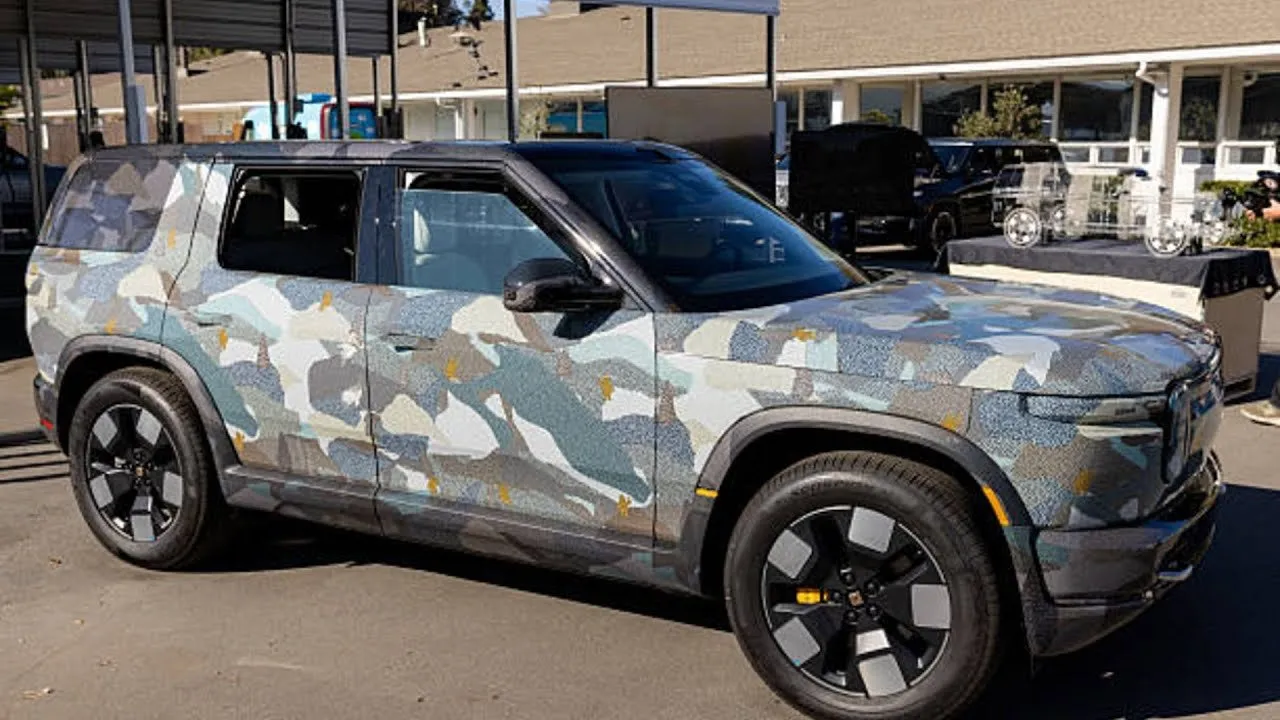
Rivian, the U.S.-based electric vehicle (EV) manufacturer, is positioning its upcoming R2 SUV as a crucial lever to capture the mass-market consumer segment. Chief Financial Officer Clare McDonough confirmed that the vehicle, set for its first deliveries in the second quarter of 2026, will carry a base price of approximately $45,000, strategically placing it below the average new vehicle price in the United States.
Key Points
- The R2, a five-passenger SUV, is designed to serve as Rivian’s entry into the mass market with a $45,000 base price.
- Rivian maintains a competitive edge through domestic and USMCA-compliant supply chains, insulating the company from significant tariff impacts compared to other OEMs.
- The company plans to expand its U.S. manufacturing footprint by adding 2,000 jobs in Normal, Illinois, and 7,500 jobs at its upcoming Georgia facility.
- Rivian is targeting global expansion with the R2, specifically identifying the two-row SUV segment as the largest market globally.
Strategic Pricing and Market Expansion
As Rivian prepares for the R2 launch, the company is focusing on closing the pricing gap between internal combustion engine vehicles and electric alternatives. By leveraging engineering efficiencies and high-performance, software-defined architecture, Rivian aims to appeal to the 90% of consumers who currently opt for traditional vehicles. McDonough emphasized that the company’s ability to hit an accessible price point while maintaining high specifications—such as 300-plus miles of range and over 600 horsepower—is central to its growth strategy.
"We've done it through engineering design changes, a lot of trade offs in the product; it allows us to bring a car to market that is incredibly high performance but at an affordable price point that allows us to open up the market to the vast majority of consumers." — Clare McDonough, CFO of Rivian.
Navigating Global Competition and Manufacturing
While industry peers have expressed concerns regarding the ability of U.S. manufacturers to compete with low-cost Chinese EVs, McDonough remains confident in Rivian’s "clean sheet" approach. Because the company built its vehicles from the ground up as software-defined platforms rather than retrofitting legacy systems, it maintains structural cost and technological advantages that allow it to compete effectively on a global stage.
The company also plans to navigate the current manufacturing landscape, which has faced headwinds from high demand for components like memory chips used in data centers. Rivian’s strategy involves deep commercial negotiations with its supply base and a commitment to domestic production, which mitigates exposure to international trade friction.
The Future of Autonomy and Market Position
Looking beyond the immediate launch of the R2, Rivian is investing heavily in autonomous technology. The company views Level 4 autonomy as a fundamental component of its long-term roadmap, aiming to provide consumers with vehicles that can navigate complex tasks, such as autonomous airport drop-offs or transport for family activities. While McDonough did not provide a definitive timeline for the full rollout of these features, she noted that the company is actively developing the software and hardware stacks necessary to achieve this goal.
As the brand expands into Europe and deepens its U.S. presence, the focus remains on customer experience. By increasing test-drive opportunities, Rivian hopes to move past current market debates regarding "green agendas" and instead prioritize the vehicle's driving dynamics and performance as the primary drivers of consumer adoption.