Table of Contents
Key Takeaways
- Crown Prince Reza Pahlavi is spearheading a transition plan aimed at replacing the current Iranian regime with a secular, democratic system.
- The proposed roadmap focuses on a stable, 100-day initial recovery phase followed by a constitutional assembly and free, transparent elections.
- There is a strong emphasis on maintaining Iran's territorial integrity while ensuring the separation of religion from the state.
- Proponents argue that a democratic Iran would serve as a massive economic and humanitarian "peace dividend," unlocking the nation’s untapped potential for global trade.
- The transition movement seeks a clean break from the previous regime, prioritizing the will of the people over any specific form of government, whether a republic or a parliamentary monarchy.
The Vision for a Democratic Iran
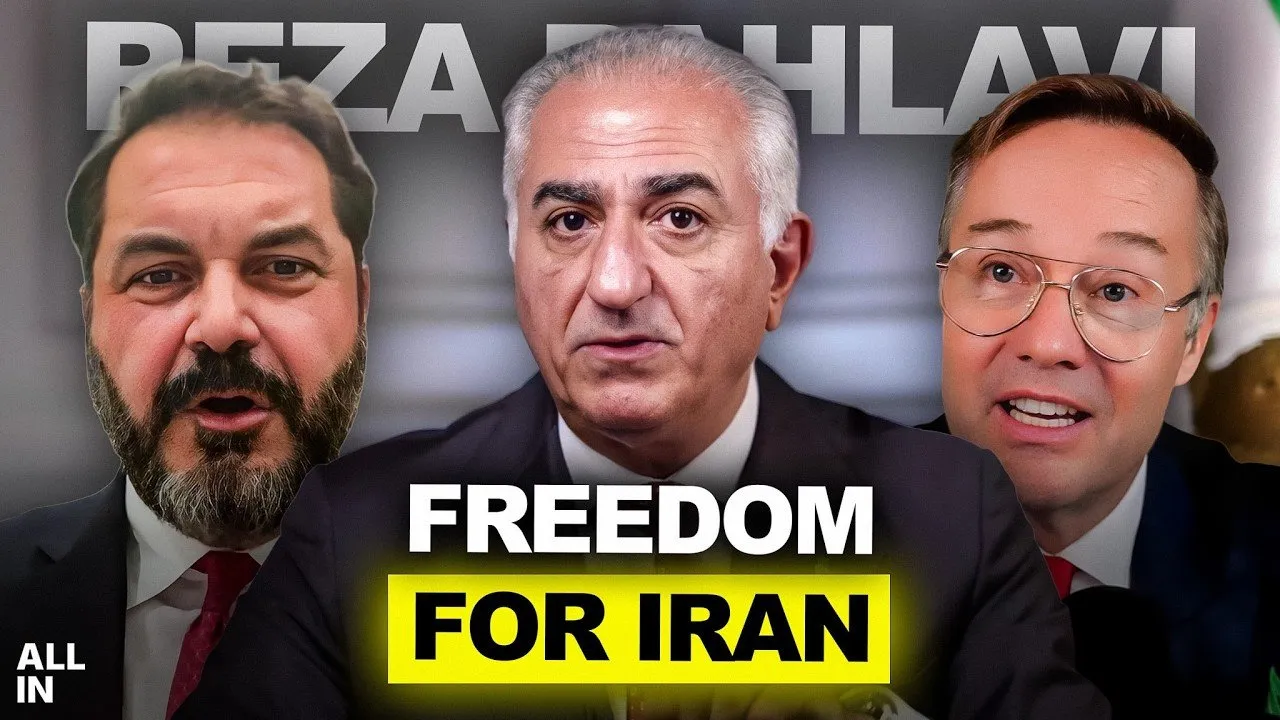
For nearly five decades, the Iranian people have lived under a regime that has effectively isolated the nation from the global economy. Crown Prince Reza Pahlavi, who has remained a vocal advocate for freedom from exile, believes that the current moment represents a historic opportunity to reshape the future of the nation. His vision for a post-regime Iran is centered on secular democracy, where sovereignty rests entirely with the citizens through the ballot box.
A Bridge, Not a Dictator
When asked about his personal role, the Prince emphasizes that he views himself as a neutral arbiter and a facilitator of the transition process. He clarifies that he is not campaigning for a specific position of power, but rather seeking to empower the Iranian people to determine their own system of government. Whether the future structure is a republic or a parliamentary monarchy, the Prince insists the final decision must be made through a transparent, constitutional process.
"My focus is on the process, not the outcome. In as a neutral arbiter, I'm not taking sides with one form versus the other. That's for the people of Iran to choose."
The Roadmap: The Iran Prosperity Project
The transition plan is not merely a political aspiration; it is a structured, detailed roadmap. Central to this is the Iran Prosperity Project, an initiative focused on the immediate stabilization of the country during its first 100 days post-regime. This phase is designed to prevent chaos, secure national infrastructure, and begin the process of rehabilitating a society that has suffered under decades of mismanagement.
Sequence of Change
The proposed timeline for this evolution is meticulous, designed to avoid the power vacuums that have plagued other nations in the region. The plan includes a four-month window for a referendum, a six-month period to assemble a body to draft a new constitution, and a subsequent 14-month process to finalize the legal framework. By following these steps, the movement aims to transition from the current state of crisis to a stable, rule-of-law-based democracy.
National Unity and Territorial Integrity
A critical component of this movement is the commitment to Iran’s territorial integrity. Critics often worry about fragmentation in the wake of regime change, but the Prince and his advisors argue that the Iranian identity is resilient and unified. Despite the diverse ethnic, religious, and political backgrounds of the Iranian people, the common goal of regaining sovereignty has created a broad coalition under a single, unified national banner.
Ensuring Equality and Rule of Law
The movement explicitly prioritizes the equality of all citizens before the law. By removing the discriminatory barriers established under the current regime, the plan aims to unleash the intellectual and economic genius of the Iranian youth. With a population median age in the early 30s, the potential for rapid technological and economic growth is vast, provided the country is reconnected to the global market.
Economic Potential and Global Partnership
The transition to a democratic, stable Iran would have massive ramifications for the global economy. Often described as one of the most untapped economic opportunities of the 21st century, a free Iran would likely see rapid integration into the international trade system. Experts suggest that such a shift would not only benefit the Iranian people but also create a "peace dividend" for the entire Middle East, fostering a climate of innovation and security.
"A different Iran, a democratic secular Iran will first and foremost bring about the opportunities to our nation. But it will open Iran for business again."
Reflections on the Path Forward
The movement to restore freedom to Iran is marked by both hope and caution. While the desire for a secular, democratic future is shared by millions, the path to achieving it remains high-stakes. Leaders of this movement acknowledge the complexity of the task, stressing that their goal is to dismantle the structures of terror while creating a path for those who were once part of the system to contribute to a new, peaceful, and constructive future.
As the international community watches these developments, the focus remains on the resilience and the aspirations of the Iranian people. The history between Iran and the West, rooted in centuries of mutual influence and cultural exchange, is seen by many as a foundation for a new, collaborative era. With the potential for Iran to return to its place as a stable, prosperous nation, the upcoming months may well be recorded as one of the most significant pivots in modern history.