Table of Contents
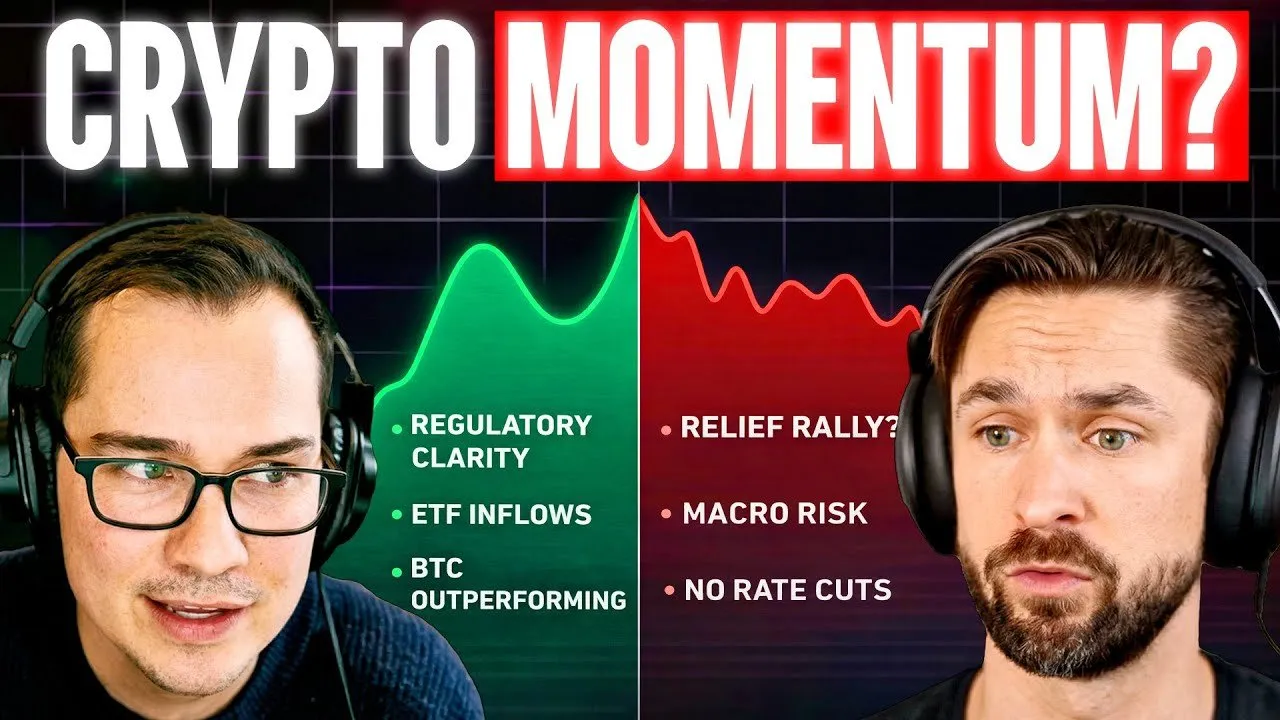
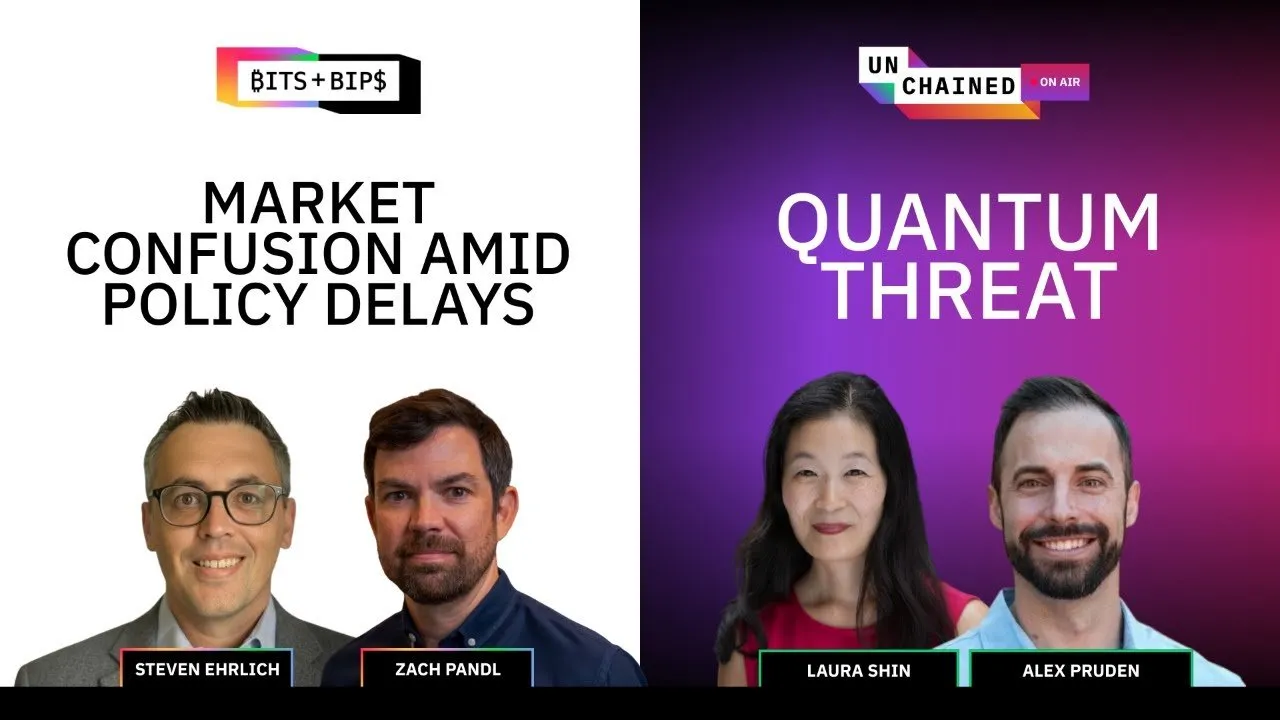
The cryptocurrency market is currently navigating a complex dichotomy. On one hand, the industry is buoyed by powerful macroeconomic tailwinds and the promise of regulatory clarity under a new U.S. administration. On the other, existential technical threats loom on the horizon, specifically the rapid advancement of quantum computing. In a recent discussion involving Zach Pandl, Director of Research at Grayscale Investments, and Alex Pruden, CEO of Project 11, these two distinct narratives—the immediate bullish case and the long-term survival strategy—were brought into sharp focus.
From the nuances of the "debasement trade" to the potential for a Bitcoin civil war over quantum-vulnerable assets, understanding these dynamics is crucial for investors looking beyond the daily price charts.
Key Takeaways
- The "Debasement Trade" Drives Flows: According to Grayscale, approximately 70% of current market momentum is driven by macro factors—specifically debt and currency debasement—rather than purely regulatory news.
- The Sleeping Giant of Advised Wealth: Less than 0.5% of U.S. advised wealth is currently allocated to crypto, representing a massive potential inflow source as ETFs normalize digital assets in portfolios.
- Quantum Computing is a Medium-Term Threat: Experts warn that cryptographically relevant quantum computers could arrive within 4–5 years, threatening the foundation of blockchain security.
- The "Satoshi" Vulnerability: Approximately 30% of Bitcoin supply, including Satoshi Nakamoto’s original coins, sits in addresses vulnerable to quantum attacks, posing a massive governance challenge.
Market Structure and the Regulatory "Green Light"
While the market structure bill and political maneuvering in Washington D.C. dominate headlines, the institutional reality on the ground is moving faster than legislation. Financial giants are no longer waiting for permission slips to innovate; they are preparing for a world where crypto is integrated into the traditional financial stack.
Zach Pandl notes that while Grayscale is primarily focused on "Title 1" of the market structure bill—which clarifies the commodity versus security status of assets—the banking sector is preparing for a broader shift. The real revolution will likely come when major corporations begin issuing blockchain-based tokens as a standard part of their capital structure, alongside stocks and bonds.
"Everyone is building and nobody is going to wait until President Trump's signature hits the legislation to begin building in the space. There's lots of competitive dynamics at play. If you wait until the legislation is done... you're going to be behind your competitors."
This competitive pressure is creating a "build first" mentality among Wall Street banks, who view stablecoins and tokenized assets as the next frontier for collateralized lending and cross-border payments—areas where DeFi currently holds a technological edge.
The Macro Thesis: Why Bitcoin is Winning the "Debasement Trade"
Despite the focus on regulation, the primary driver of the current bull market appears to be macroeconomic. Pandl estimates that the market's movement is roughly 70% macro-driven and only 30% regulation-driven. The central theme is the "debasement trade"—a flight to alternative stores of value in response to spiraling U.S. debt and concerns over Federal Reserve independence.
The Role of ETFs and Advised Wealth
The vehicle for this capital flight is changing. Unlike previous cycles driven by highly leveraged offshore derivatives, the current rally is characterized by spot buying through ETFs. The buyer profile is shifting toward "advised wealth"—RIAs and wealth managers building diversified portfolios.
Current data suggests that less than 0.5% of the $40+ trillion U.S. advised wealth market is allocated to crypto. As this number creeps toward even a modest 1-2%, it creates a persistent, sticky bid for the asset class that differs significantly from the volatile retail flows of the past.
Price Targets and Asset Differentiation
Looking ahead, Grayscale research suggests Bitcoin could reach new all-time highs in the first half of 2026, potentially exceeding $126,000. However, the ecosystem is bifurcating:
- Bitcoin: Functions as the primary monetary hedge and alternative store of value.
- Ethereum: Benefits significantly from regulatory clarity regarding DeFi and yields, while also capturing some "scarce commodity" premium.
- Solana: Competes on speed and cost, targeting high-turnover use cases like tokenized equity trading.
The Quantum Threat: A Ticking Clock
While the financial outlook appears robust, a technological storm is brewing. Alex Pruden of Project 11 highlights a critical vulnerability: all current cryptocurrency networks rely on cryptographic algorithms (specifically elliptic curve cryptography) that will eventually be broken by quantum computers running Shor’s algorithm.
While estimates for "Q-Day"—the day a quantum computer becomes cryptographically relevant—previously ranged from 20 to 50 years, recent breakthroughs like Google’s "Willow" chip have compressed these timelines. Some experts now fear a horizon as short as 4 to 5 years.
"Bitcoin and all crypto networks rely on broken cryptographic algorithms and quantum computing can break them. We know those things. It's just a question of when."
The danger is not just theoretical. Unlike traditional web security, where keys are ephemeral, blockchain public keys are permanent records. If a public key is exposed on-chain, a sufficiently powerful quantum computer could derive the private key and seize the funds.
The "Satoshi" Dilemma and Potential Civil War
The most alarming aspect of the quantum threat relates to Bitcoin's specific architecture. While modern wallets that use hashed public keys (P2PKH) offer a layer of protection until funds are spent, early Bitcoin addresses—including those mined by Satoshi Nakamoto—used Pay-to-Public-Key (P2PK). This leaves the raw public key exposed on the blockchain.
Pruden estimates that roughly 30% of the total Bitcoin supply is currently vulnerable. This includes the legendary "Satoshi coins," valued at roughly $150 billion. If a quantum computer comes online, the network faces three difficult choices regarding these vulnerable assets:
- Theft: Allow the quantum attacker to seize the coins, crashing the market.
- Burning: The community agrees to fork the network and burn the vulnerable coins, effectively destroying billions in value to save the chain.
- Reallocation: The community confiscates the coins and reallocates them (e.g., to future mining rewards).
Any attempt to burn or reallocate coins violates the core ethos of "code is law" and "unchangeable history," potentially triggering a contentious hard fork or "civil war" within the Bitcoin community far more severe than the block-size wars of 2017.
Conclusion: The Path Forward
The crypto industry stands at a fascinating crossroads. In the short term, the alignment of political will, institutional adoption, and macroeconomic instability creates a perfect storm for price appreciation. The "debasement trade" is driving Bitcoin into the portfolios of the world's wealthiest investors.
However, the long-term viability of these networks depends on a successful migration to post-quantum cryptography. This will require a "full lift and shift" where every wallet, smart contract, and asset must move to new cryptographic standards. The race is on to build the bridges and infrastructure for this migration before the quantum clock runs out.