Table of Contents
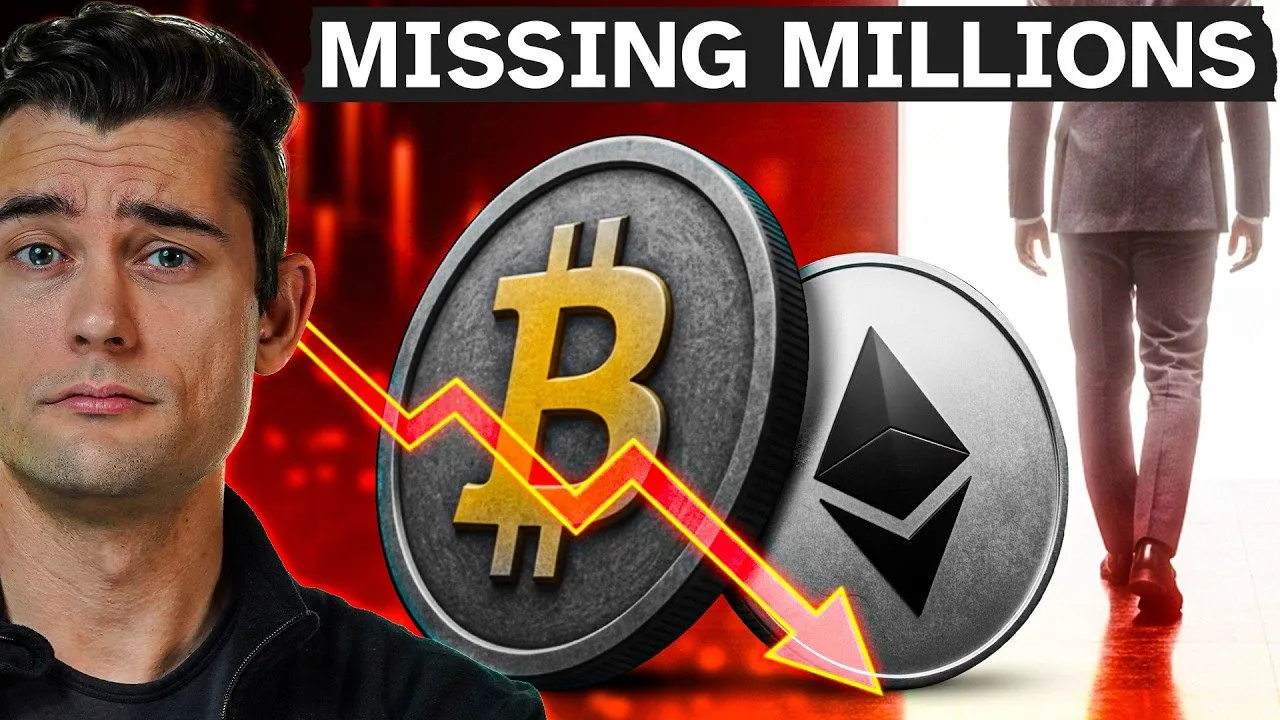
Despite major cryptocurrencies like Bitcoin and Ethereum hitting record highs and the successful integration of spot ETFs, the digital asset market is experiencing a paradoxical "silent bull run" defined by a distinct lack of retail participation. Market data indicates that while institutional adoption has stabilized the sector, individual investors remain sidelined by lingering market trauma, high-risk trading fatigue, and the allure of competing asset classes like AI stocks.
Key Points
- Retail Engagement Plummets: Active Bitcoin addresses have dropped approximately 50% from their April 2021 peak of 1.3 million to roughly 650,000.
- Institutional Shift: While search interest for "crypto" is down, institutional queries for "stablecoins," "tokenization," and "Real World Assets" (RWAs) have surged.
- Market Fatigue: The prevalence of high-speed, algorithmic "Player vs. Player" trading environments has driven retail capital away from the sector.
- Utility Growth: The stablecoin market has expanded significantly, reaching a valuation of over $300 billion, driven by fintech integration rather than speculative hype.
The Data Behind the Retail Exodus
The 2021 crypto cycle was defined by cultural ubiquity—from Super Bowl commercials to the mass adoption of NFTs. In stark contrast, the current market cycle has failed to generate comparable enthusiasm among everyday investors, despite significant regulatory improvements and price milestones.
On-chain analytics provide concrete evidence of this apathy. Exchange volumes, while recovering, remain well below 2021 levels. More critically, the number of active Bitcoin addresses has seen a steady decline. Currently, active addresses sit at approximately 650,000, halving the figures seen during the previous market peak. Google Trends data corroborates this slowdown, with search terms for "Bitcoin" and "Crypto" hitting multi-year lows.
However, the market is not devoid of activity. Data suggests a divergence in investor classes. While "Bitcoin Shrimps"—wallets holding less than 1 BTC—are slowly accumulating, the broader retail wave is absent. Instead, capital flows are increasingly dominated by large-scale entities. Bitcoin dominance has trended upward since August 2022, suggesting a flight to safety rather than a risk-on appetite for smaller altcoins.
Institutional Capital Fills the Void
The primary driver of the current market structure is the influx of institutional capital via spot ETFs. These financial products have allowed traditional investors to gain exposure to digital assets without navigating the complexities of self-custody. Consequently, the ownership structure of the market is changing.
Search interest has pivoted toward sophisticated financial concepts. Queries for "risk-weighted assets," "tokenization," and "stablecoins" are at all-time highs, signaling that professional investors are focusing on blockchain utility rather than speculative gains. Blockchain data reveals that "whales" (large holders) have been net buyers during periods where retail investors have been selling, effectively transferring ownership from weak hands to long-term institutional holders.
Market Trauma and 'PvP' Fatigue
Two primary factors have contributed to the retail retreat: the psychological scarring from the 2022 market collapses and the unsustainable nature of recent trading environments.
The cascading failures of Terra, Celsius, and FTX created a lasting trust deficit. For many retail participants, the bankruptcy of major platforms resulted in total capital loss, creating a barrier to re-entry that higher prices alone cannot immediately bridge. Furthermore, those who remained faced a hostile trading environment often described as "Player vs. Player" (PvP) gambling.
The market has been saturated with new token launches, particularly on high-speed networks like Solana. However, the lifespan of these assets has become negligible, benefiting algorithmic traders over retail participants.
"A report by Galaxy Digital revealed that the average holding time for memecoins on Solana—where the majority of trading volume was concentrated—was not measured in days or hours, but merely 100 seconds. This hyper-speed volatility has led to widespread investor burnout."
Following a massive liquidation event in October, risk appetite evaporated further. The subsequent capital flight saw retail investors pivot toward traditional equities, specifically pursuing trends in Artificial Intelligence and precious metals like gold.
The Rise of Boring Utility
While speculative fervor has cooled, the infrastructure layer of the crypto economy is expanding. The 2025-2026 period has been pivotal for Real World Assets (RWAs) and stablecoins. Driven by regulatory frameworks such as Europe's MiCA regulation, the stablecoin market cap grew by nearly 50% in a single year, surpassing $300 billion by December.
This growth is fueled by integration with major fintech players like Stripe and PayPal, transforming stablecoins from trading instruments into genuine payment rails. While this represents a significant maturation of the asset class, it lacks the "get rich quick" narrative required to trigger a mass retail frenzy.
What's Next: The Return of FOMO?
Market analysts believe the absence of retail investors is temporary. The psychological drivers of greed and the Fear of Missing Out (FOMO) remain potent forces. As Bitcoin approaches major psychological price barriers—potentially targeting the $100,000 to $130,000 range—mainstream media coverage is expected to reignite retail interest.
Additionally, a potential resurgence in meme-token activity on social media platforms in early 2026 suggests a thawing of risk aversion. If the stock market's AI rally cools or gold prices plateau, retail capital may rotate back into digital assets in search of higher yields. Until then, the market remains in a phase of institutional accumulation, characterized by lower volatility and steady growth—a "boring" but potentially healthier foundation for the future.