Table of Contents
Many of us have spent years internalizing messages from diet culture that equate our worth with our body size or specific eating habits. If you feel like your relationship with food is a constant source of stress or shame, you are certainly not alone. The journey to healing isn't about willpower or rigid discipline; it is about understanding the connection between your thoughts, your emotions, and your physical needs. By learning to tune in and slow down, you can move away from reactive cycles and toward a healthier, more compassionate relationship with yourself.
Key Takeaways
- Emotional eating is common: It is a learned coping mechanism, not a personal failing. Identifying the difference between physiological hunger and emotional needs is the first step toward change.
- The power of the pause: Taking a moment to breathe before you eat helps you shift from a reactive state to an intentional one, allowing you to choose how you want to nourish your body.
- Avoid the "All-or-Nothing" trap: Rigid labels like "good" and "bad" foods often lead to restrictive cycles, which only fuel future overeating or feelings of shame.
- Small tweaks over radical changes: Long-term health is built on sustainable, incremental shifts in behavior rather than drastic, unsustainable overhauls.
Understanding the Mind-Body Connection
The core of our struggle with food often lies in how we process our emotions. When we experience stress, our bodies release hormones like cortisol, which can significantly alter our appetite and focus. Many people find themselves trapped in a cycle where a negative thought—such as "I shouldn't have eaten that"—triggers an emotional response, which then drives a behavior like restriction or bingeing.
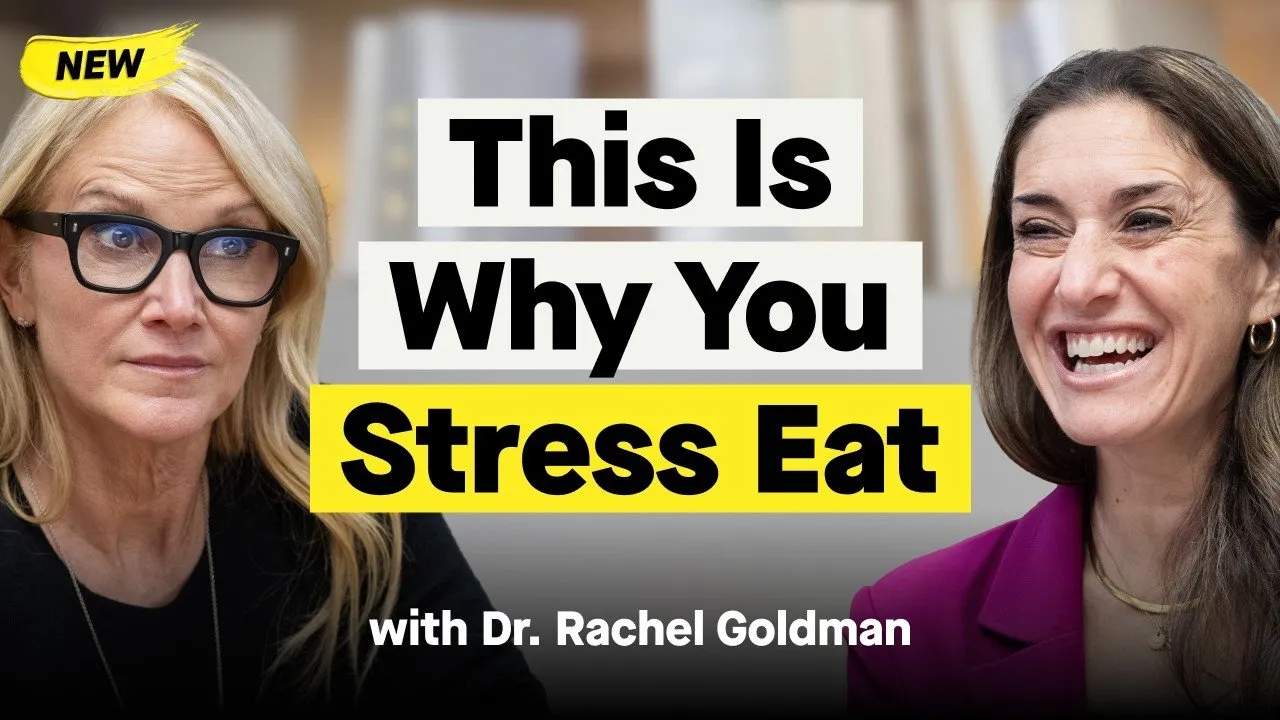
Dr. Rachel Goldman emphasizes that everything is related: sleep, mood, movement, stress management, and nutrition. When we view these as interconnected, it becomes clear that "willpower" is not the solution. Instead, the focus should be on how we respond to our internal signals. As Dr. Goldman notes:
"Thoughts, emotion, and behaviors are all linked."
Breaking the Cycle of Emotional Eating
Emotional eating is simply turning to food to soothe yourself when experiencing an emotion, whether that emotion is boredom, stress, or sadness. The most significant misconception is that people who engage in emotional eating are "broken." In reality, this is a universal human experience. To break this cycle, you must learn to hit the reset button.
The 10-Minute Rule
When you feel the urge to eat mindlessly—like standing in front of the refrigerator after dinner—the most effective tool is a 10-minute pause. During this window, step away from the kitchen. Engage in a different activity, such as a short walk or a breathing exercise. If you still feel hungry after that time, you can return to the food and eat it intentionally rather than impulsively. The difference is profound: eating because you are hungry and want to enjoy something is a form of self-care; eating to suppress an emotion is a distraction that lacks a solution.
Disordered Eating vs. Eating Disorders
It is important to distinguish between disordered eating behaviors and clinical eating disorders. While disorders like anorexia or binge eating disorder have specific diagnostic criteria, many people struggle with "disordered" thoughts—such as constant food noise, rigid rules, or labeling foods as inherently "good" or "bad."
Warning Signs to Watch For
If your thoughts about food or body shape are beginning to dominate your day, it may be time to seek help. Look for these red flags:
- Constant preoccupation: If your thoughts about your body or food prevent you from being present in your daily life.
- Rigid rules: When you feel you "cannot" eat at certain times or must strictly follow narrow dietary patterns to feel safe.
- Social isolation: If you avoid social situations, meetings, or family gatherings because of anxiety surrounding the food available there.
The Truth About Weight and Nourishment
Modern society often pushes us to exercise on an empty stomach or skip meals to achieve a certain look. However, this often backfires. When you restrict, your body enters survival mode, which can lead to metabolic shifts and increased cravings. True health often looks like consistent nourishment, such as eating a protein-rich breakfast to set a stable foundation for the day.
"Eating regularly throughout the day doesn't mean you're going to gain weight. You might gain energy. You might gain nourishment. You might gain clarity."
If you are considering medical interventions like GLP-1s, remember that they are treatments for medical conditions like obesity or diabetes—not a replacement for building healthy habits. Using these tools without addressing the underlying mindset and emotional patterns often results in a temporary "band-aid" fix rather than lasting change.
Conclusion
Repairing your relationship with your body does not happen overnight. It requires shifting your perspective from "changing" your body to caring for it through small, intentional tweaks. Start today by practicing the "pause"—take a deep breath, ground yourself, and remind yourself that you are not broken. By replacing shame with curiosity and rigidity with flexibility, you can reclaim your autonomy and build a life that feels as good as it looks.