

Table of Contents
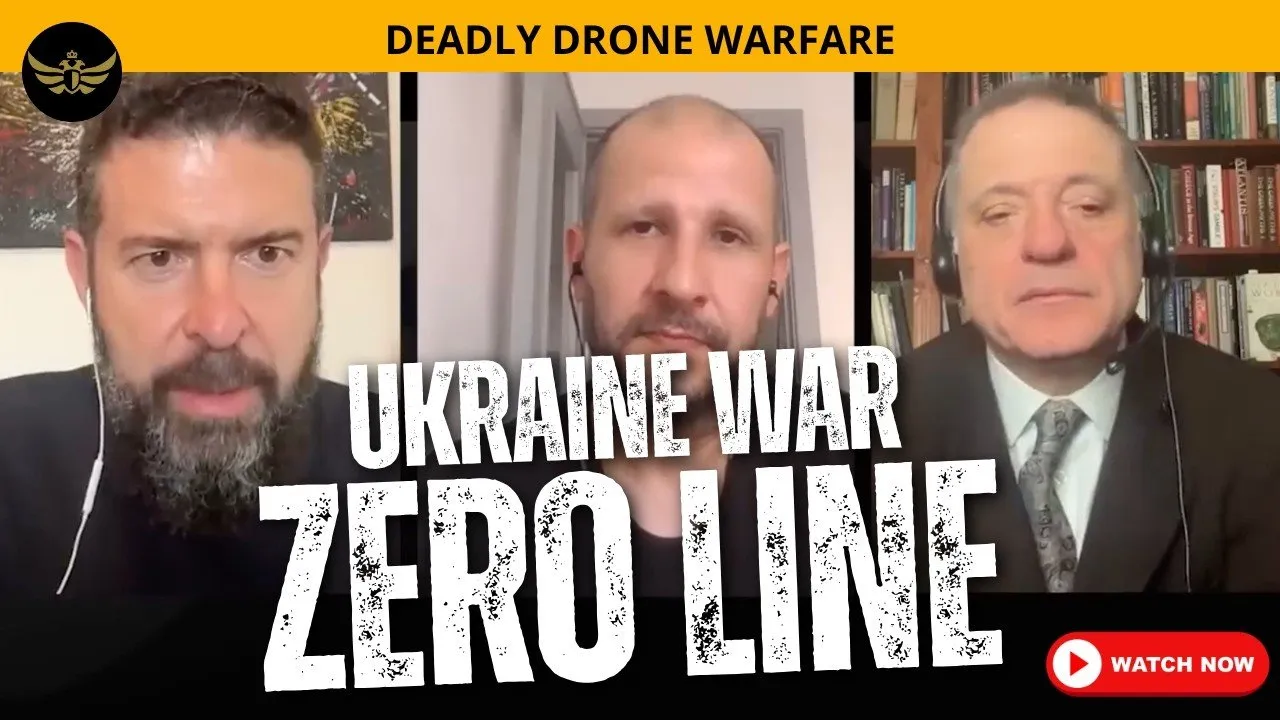
The second term of the Trump administration has begun not with the isolationist pause many expected, but with a frantic winter of foreign policy activity. From the dramatic abduction of Nicolas Maduro to escalating tensions with Iran, the administration appears caught in a volatile tug-of-war. On one side stands a reformed "America First" realist camp led by J.D. Vance and Robert F. Kennedy Jr.; on the other, a resurgent faction of neoconservative interventionists and legacy intelligence figures. Legal analyst Robert Barnes joins The Duran to dissect the chaotic internal dynamics of Washington, arguing that while the old political establishment has fractured, a dangerous new battle for influence is jeopardizing the President’s original mandate.
Key Takeaways
- Internal Administration Conflict: A deep divide exists between the "realist" wing (Vance, RFK Jr., Gabbard) and interventionist figures (Rubio, Ratcliffe) who are currently driving foreign policy.
- The Role of Gatekeepers: Attorney General Pam Bondi and Chief of Staff Susie Wilds are identified as key figures isolating the President from independent intelligence and protecting "deep state" interests.
- Venezuela Miscalculation: The Maduro operation was likely driven by donor interests promising oil wealth that does not exist, leading to a legal and diplomatic quagmire.
- Economic Fragility: Despite stock market highs, the real economy faces recession risks, exacerbated by a push for inefficient military-industrial spending rather than broad-based industrial policy.
- Iran and Tariffs: Recent tariff threats against BRICS nations regarding Iran are seen as a failed legal maneuver to appease the Supreme Court rather than sound economic strategy.
The Fracture of the Old Establishment and the Rise of "New Grifters"
A distinct shift has occurred in the power structure of Washington D.C. compared to Donald Trump’s first term. According to Barnes, the traditional political establishment that constrained the administration from 2016 to 2020 has largely collapsed. The atmosphere in the capital is one of vulnerability, where the old guard no longer holds absolute sway. However, this power vacuum has not necessarily been filled by populists loyal to the voter base.
Instead, a new class of lobbyists has emerged—figures masquerading as MAGA loyalists who are, in reality, corporate opportunists. These actors are leveraging their access to the administration to sell influence to the military-industrial complex, Big Pharma, and Big Tech. This has created a chaotic environment where policy is often dictated by whoever has the most recent access to the President, rather than a cohesive strategic vision.
The Gatekeepers: Bondi and Wilds
The primary criticism of the current administration’s dysfunction centers on two figures: Attorney General Pam Bondi and Chief of Staff Susie Wilds. Barnes argues that Bondi has effectively engaged in a "pay-to-play" arrangement, slowing down prosecutions of deep state actors (such as those involved in the Russia collusion narrative) in exchange for protection and lobbyist support.
"The reason why there have been no big deep state prosecutions is she [Bondi] has cut a deal... she helps her lobbyist pals derail antitrust investigations, derail fraud investigations... and in exchange, she makes sure that the deep state doesn't derail her."
Similarly, Susie Wilds is described as an aggressive gatekeeper. While her stated goal is to prevent the leaks that plagued the first term, the unintended consequence is that President Trump is isolated from independent intelligence. This isolation allows interventionist factions to manipulate decision-making by controlling the information flow, often presenting military actions as faits accomplis to avoid the appearance of presidential weakness.
The Venezuela Operation: A Geopolitical Blunder?
The recent abduction of Nicolas Maduro and the subsequent legal proceedings in New York represent a significant pivot from the non-interventionist rhetoric of the campaign trail. The operation appears to have been sold to the President based on faulty intelligence regarding Venezuela's oil reserves.
The "Easy Oil" Myth
The narrative provided to the President suggested that removing Maduro would grant the U.S. access to vast, easily extractable oil wealth. However, energy experts and major corporations like Exxon have reportedly pushed back against this, noting that Venezuela's infrastructure is decimated and its oil is heavy crude, difficult and expensive to process. Barnes suggests this operation was driven by donor interests—specifically hedge fund managers who bought Venezuelan debt for pennies on the dollar and stood to make billions from a regime change, regardless of the geopolitical fallout.
Legal Hurdles in the Southern District of New York
The legal case against Maduro is fraught with constitutional and international law complexities that could lead to an embarrassing acquittal. The prosecution faces several unprecedented hurdles:
- Sovereign Immunity: Maduro was a recognized head of state during the indictment period.
- Jurisdictional Issues: The arrest warrants do not apply extraterritorially, raising questions about the legality of his seizure (effectively a kidnapping) under the U.N. Charter.
- Weak Evidence: The indictment relies heavily on testimony from compromised witnesses and tenuous links to "narco-terrorism" that lack concrete evidence of collaboration with groups like Hamas or Hezbollah.
Barnes predicts a high probability—over 60%—that the case could end in dismissal or acquittal, which would be a humiliating blow to the administration’s projection of strength.
Escalation in the Middle East and the Tariff Weapon
Tensions with Iran have escalated sharply, accompanied by a new economic threat: a 25% tariff on any nation trading with Iran. This policy effectively targets the BRICS nations, including major trading partners like India, Brazil, and China. Critics argue this move is economically reckless, but Barnes suggests it is actually a misguided legal strategy.
The administration appears to be using the tariff threat to bolster its arguments before the Supreme Court regarding presidential authority over trade. By framing the tariffs as an essential tool for national security and world peace, the legal team hopes to sway the justices. However, this transparency may backfire, appearing to the Court as an overreach that disregards constitutional limits on the tariff power.
Despite the bluster and movement of military assets, a full-scale invasion of Iran remains unlikely due to the "geopolitical realists" in the Pentagon who understand the logistical nightmare of such a conflict. furthermore, the vulnerability of Israel’s energy and water infrastructure makes a prolonged regional war an existential risk for America’s primary ally in the region.
The Domestic Economy: Recession Risks and "Military Keynesianism"
While the administration focuses on foreign entanglements, the domestic economy is flashing warning signs. There is a sharp disconnect between GDP figures—buoyed by government spending and import substitution—and the reality of the working class. High interest rates, credit card defaults, and a stagnant manufacturing sector paint a bleak picture for the average voter.
The Defense Spending Trap
A contentious proposal has emerged to increase the defense budget by $500 billion, pitched to the President as a way to jumpstart manufacturing—a concept known as "Military Keynesianism." Critics argue this is a fundamental error. Expanding the defense sector drains resources and industrial capacity from the civilian economy, creating inefficiencies rather than sustainable growth.
"If you want to speed up the economy and manufacturing... spend another half a trillion on defense manufacturing. But as you point out, the inefficiencies in our defense industry are horrendous."
A more effective industrial policy, favored by the realist wing, would involve broad-based tariffs combined with significant tax cuts for the working class to stimulate demand for domestic goods. The current trajectory of bloating the defense budget risks increasing inflation and debt without delivering the manufacturing renaissance voters were promised.
Conclusion: A Administration at the Crossroads
The Trump administration is currently defined by its fragility. It is torn between a voter base demanding peace and economic restoration, and a donor-lobbyist class pushing for regime change and military expansion. The outcome of this internal struggle will depend on whether the President can bypass his gatekeepers and empower the "realist" faction of his cabinet—figures like J.D. Vance and RFK Jr.—who are aligned with the electorate's desire to dismantle the deep state rather than accommodate it.
If the administration continues to follow the advice of neoconservative holdovers and self-interested lobbyists, it risks repeating the mistakes of the past, potentially leading to foreign policy disasters and economic stagnation that could derail the populist movement entirely.

)