Table of Contents
Nearly three decades after it first aired, the pioneering computer-animated series Reboot has finally been restored to its original, high-fidelity glory. Long hindered by poor media preservation and the physical deterioration of aging master tapes, the landmark Canadian television show—the world’s first fully computer-animated TV series—faced the risk of being lost to history. A collaborative effort led by the Reboot Rewind documentary team, in partnership with technical experts and industry sponsors, has successfully completed the digital archival of the show’s entire library, ensuring the preservation of this digital artifact for future generations.
Key Points
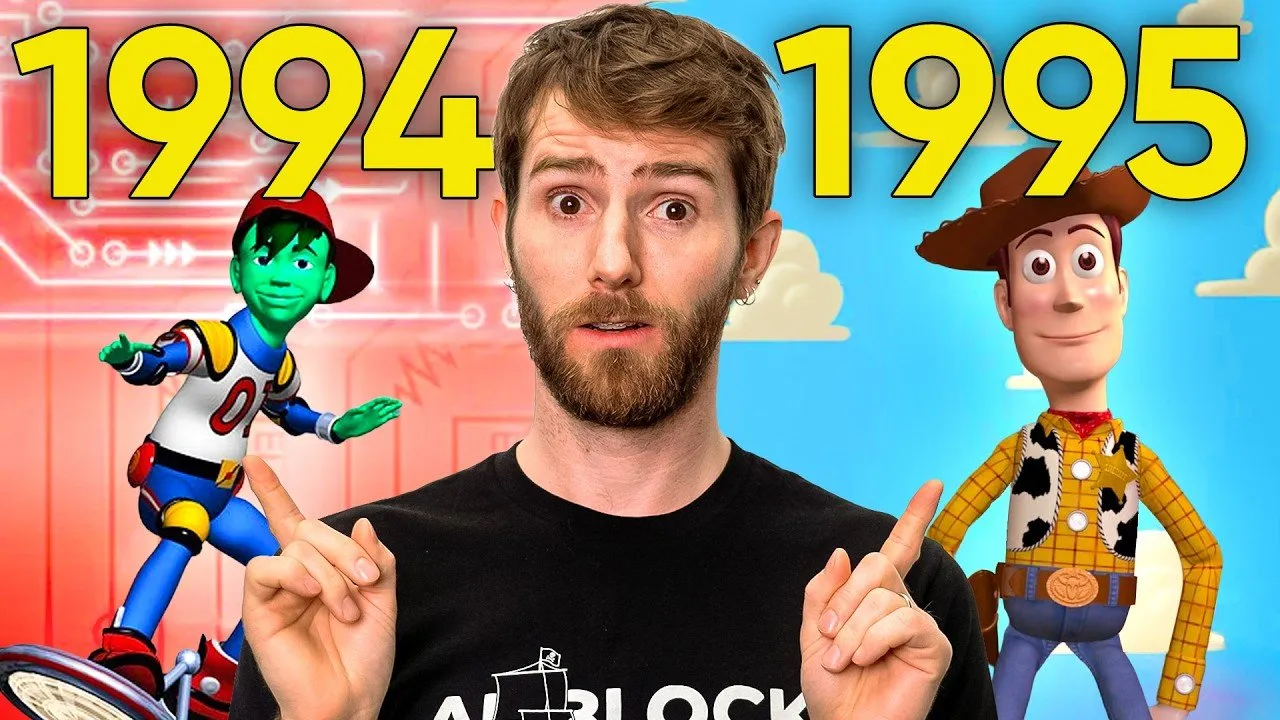
- Reboot (1994) was the first fully computer-animated television series, predating the industry-standard Toy Story.
- The restoration project required the acquisition of rare D1 video decks—a professional, uncompressed digital format from 1986—and the sourcing of nearly impossible-to-find replacement parts.
- Engineers utilized high-performance Kioxia CM7R enterprise-grade SSDs to manage the massive, uncompressed data load, cutting processing times from sluggish, frame-by-frame rendering to near-real-time speeds.
- The project successfully recovered all 47 episodes plus bonus content, including raw edits and unfinished digital assets, from 260 deteriorating magnetic tapes.
A Race Against "Sticky Shed Syndrome"
The restoration of Reboot was an exercise in high-stakes technological archaeology. The original master tapes were stored for years without the specialized climate control required for long-term magnetic media, leading to a condition known as sticky shed syndrome. In this state, the binder holding the magnetic particles to the tape base begins to degrade, turning into a gum-like substance that can destroy both the tape and the playback head during a single pass.
The technical challenges were compounded by the reliance on D1 format decks. As a professional-grade format, these machines were designed for elite studio environments in the mid-1980s, not for consumer restoration projects 30 years later. The machines are behemoths, weighing roughly 250 pounds each and operating on complex internal networks governed by multiple Intel 80186 processors. With fewer than a handful of technicians globally possessing the expertise to maintain them, the project faced significant setbacks, including mechanical brake failures and the degradation of the delicate tape heads.
"We made history with the quality of the show we made, and you're seeing it now," said Gavin Blair, co-creator of Reboot. "It didn't do justice for so many years. Now, finally, it's the way we saw it when we made it, which is remarkable."
Revolutionizing the Restoration Workflow
The project’s turning point came when the team moved beyond standard consumer-grade storage. The sheer volume of raw data—approximately 40 GB per tape—meant that traditional spinning hard drives created significant bottlenecks, often leading to read errors and excessive wear on hardware. By integrating Kioxia’s CM7R enterprise drives, the team achieved a massive performance leap.
According to the restoration engineers, moving from standard drives to high-performance SSDs allowed them to jump from 7 frames per second to near-real-time playback of 25–35 frames per second. This speed was critical, not only for productivity but for safety. With the tapes continuing to deteriorate, the team could not afford to re-run damaged sections multiple times; the ability to preview, edit, and capture in a high-speed, stable environment was essential to protecting the source material.
Beyond the Archive: Securing Digital Heritage
The completion of the final tape capture marks the end of a grueling multi-year process, but the implications for the future of digital preservation are significant. The Reboot project serves as a template for how community-driven, expert-backed initiatives can intervene before historical media enters an unrecoverable state. By documenting the technical hurdles—from mechanical repairs to the software-based correction of video interlacing and scan lines—the team has provided a roadmap for others looking to rescue obsolete digital artifacts.
As the project shifts from extraction to the distribution of these restored masters, the focus moves toward ensuring that the work is accessible to the public. For fans and archivists alike, the restoration of Reboot serves as a poignant reminder that while digital media is often perceived as permanent, it requires active, costly, and highly skilled intervention to survive the passage of time.