
Table of Contents
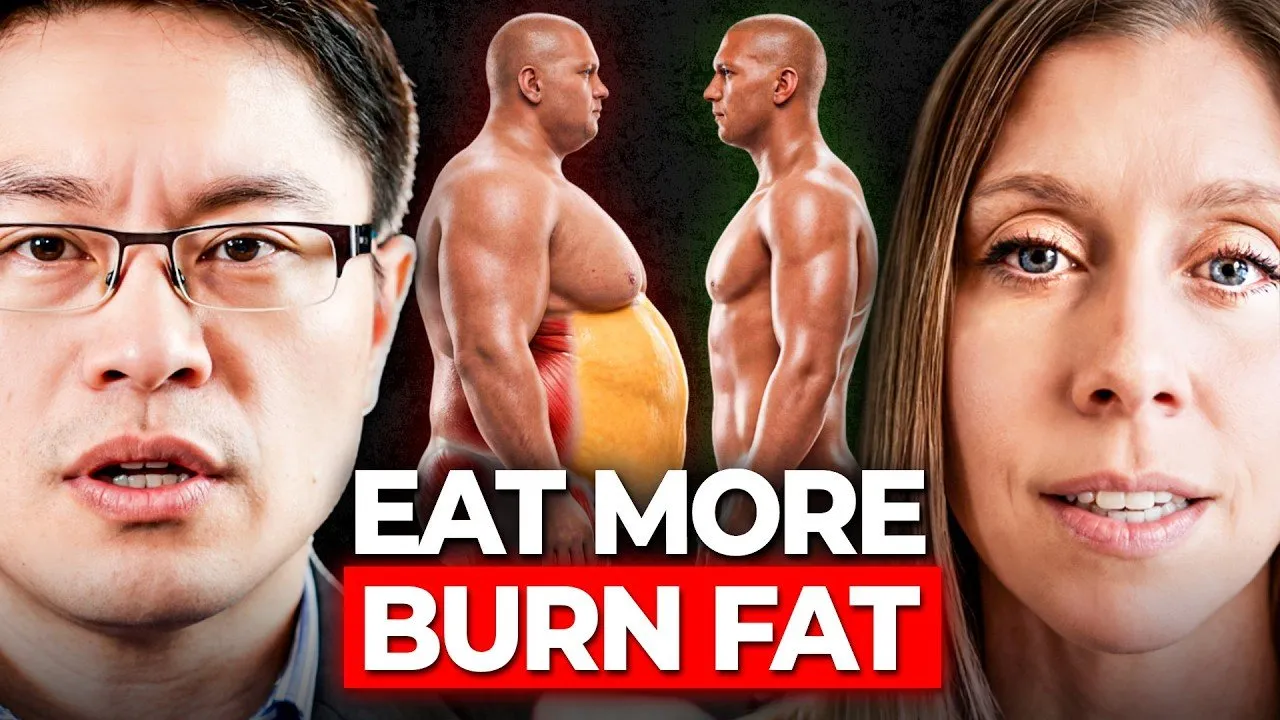
For decades, the prevailing advice for weight loss has been a simple equation: calories in, calories out. However, as metabolic disease rates continue to climb and millions struggle with persistent weight gain, it is becoming increasingly clear that this model is fundamentally flawed. Weight management is not a game of arithmetic; it is a complex biological process governed by hormones. When we shift our focus from counting calories to understanding how different foods trigger hormonal responses, we move away from blaming willpower and toward addressing the root causes of metabolic health.
Key Takeaways
- Hormones, Not Calories: The body regulates weight primarily through hormonal signals, particularly insulin, rather than raw calorie counts.
- The Problem with Processing: Ultra-processed foods disrupt the body's internal feedback loops, leading to hunger and fat storage.
- The Power of Real Food: Returning to whole, nutrient-dense foods is the most effective way to restore metabolic balance.
- Nutrient Bioavailability: The source and form of nutrients—such as heme iron found in organ meats—matter as much as the nutrients themselves.
The Fallacy of the Calorie Myth
The obsession with calorie counting often sets people up for failure by ignoring the most important factor in weight regulation: how the body metabolizes different substances. While a cookie and a serving of broccoli might contain similar calorie counts, they initiate completely different hormonal cascades within the body.
Understanding Hormonal Signaling
When you consume food, your body does not merely process energy; it senses the nutritional input and reacts accordingly. Certain foods trigger specific hormones that signal the body to either burn energy or store it as fat. Processed foods, high in refined sugars and additives, often trigger massive insulin spikes. This hormonal shift sends a direct command to the body to prioritize fat storage, leaving you hungry shortly after eating because the energy has been "locked away" in adipose tissue rather than remaining available for immediate use.
"Imagine you eat 500 calories of cookies. Your insulin spikes way up. You tell your body, 'Hey, take these calories and put it into storage,' which is body fat."
Insulin: The Master Regulator of Metabolism
Insulin is the primary nutrient sensor in the human body. While it is not an inherently "bad" hormone—it is essential for survival—chronic elevation of insulin due to the modern diet leads to insulin resistance. This state forces the body to produce even more insulin to achieve the same metabolic effect, creating a cycle of persistent fat storage.
Breaking the Cycle of Resistance
Insulin resistance is essentially the body losing its ability to respond efficiently to signals. By consuming ultra-processed foods, we force our bodies into a state of constant, high-insulin output. To reverse this, we must prioritize foods that do not trigger these excessive spikes. Moving toward a whole-food diet allows the body to recalibrate its sensitivity, naturally reducing the need for high insulin levels and helping the body transition from a fat-storing state to a fat-burning state.
Beyond Macronutrients: The Role of Micronutrients
Even for those who adopt a "clean" diet, a weight loss plateau can occur if the body is starved of essential micronutrients. The modern food system, characterized by factory farming and depleted soil quality, means that even "natural" foods may lack the density of nutrients found in traditional ancestral diets.
The Importance of Nutrient Synergy
It is easy to assume that a multivitamin can bridge the gap, but laboratory-synthesized supplements often lack the "food synergy" present in whole foods. Nutrients in their natural forms—such as the bioavailable iron found in liver—are designed by nature to be absorbed efficiently. In contrast, synthetic, inorganic versions often pass through the body with minimal absorption, offering a false sense of security while leaving the body’s underlying needs unmet.
"Eating a natural food such as liver not only provides you with nature's multivitamin but in the right proportions and you also have to look into how bioavailable it is."
Practicing Modern Ancestral Nutrition
Returning to a traditional, "nose-to-tail" approach to eating is more than a culinary trend; it is a way to ensure the body receives the full spectrum of minerals, vitamins, and fats it requires to function optimally. This means incorporating organ meats like liver, heart, and kidney, which are often packed with trace minerals and vitamins that muscle meats alone cannot provide.
Convenience Without Compromise
Many people find the prospect of preparing organ meats daunting or unpalatable. Fortunately, it is possible to integrate these traditional nutrient sources into a modern lifestyle through freeze-dried, whole-food supplements. This provides the nutritional benefits of nose-to-tail eating without the need for complex meal preparation, allowing individuals to bypass the "ultra-processed" nature of synthetic supplements while maintaining the benefits of a real-food-first approach.
"It's essentially the same thing, but in a more convenient, package, but you're still maintaining that sort of whole food approach."
Conclusion
Sustainable metabolic health is not achieved through restriction or excessive focus on willpower. Instead, it is found by realigning our lifestyle with the biological signals our bodies are designed to follow. By prioritizing hormonal balance through the consumption of real, nutrient-dense foods, we stop fighting against our own biology. Moving away from the cycle of ultra-processed intake and embracing nature's intended proportions is the most effective path to lasting weight management and long-term health.


)