
Table of Contents
Global energy markets face severe instability following the decision by Qatar Energy to halt all liquefied natural gas (LNG) production and declare force majeure. The sudden shutdown, triggered by regional conflict, threatens to disrupt approximately 20% of the world’s LNG exports, placing immense pressure on major economies across Asia and Europe and raising concerns of a potential global recession.
Key Points
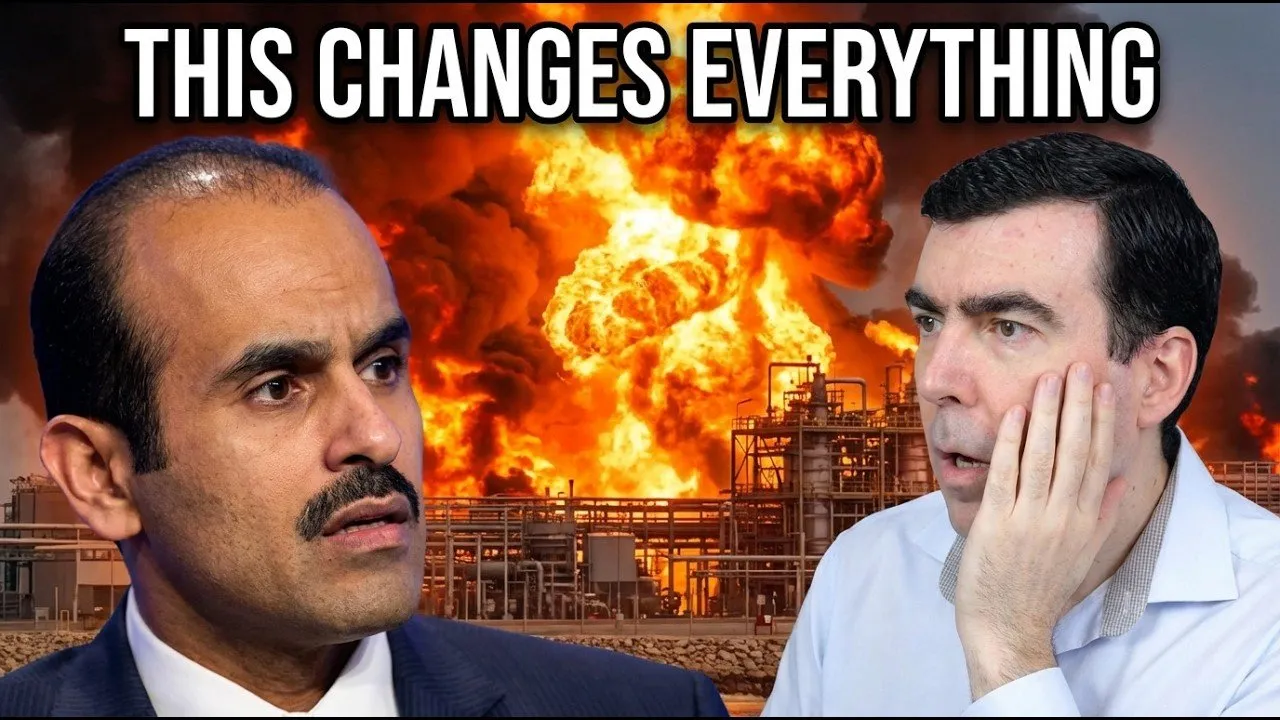
- Qatar Energy, the world’s largest LNG supplier, has completely halted production following an Iranian drone strike on a critical export hub.
- Analysts warn that the restart process for liquefaction facilities is complex, potentially keeping supply offline for a month or longer.
- Natural gas prices in Europe surged by 50% immediately following the announcement, signaling immediate inflationary pressure.
- Market volatility is expected to impact approximately one billion consumers, with experts citing risks of stagflation as energy costs threaten to outpace stagnant wage growth.
The Anatomy of the Supply Crisis
The shutdown stems from the targeting of Qatar’s primary export infrastructure by Iranian drone strikes. Because the nation accounts for one-fifth of global LNG supplies—with the vast majority flowing to China, India, Japan, and South Korea—the economic ripples are immediate and profound. While the exact duration of the disruption remains fluid, the logistics of the industry suggest a prolonged timeline for recovery.
"The shutdown and the time required for liquefaction plants to return to full capacity could last a month or more," according to industry projections.
The situation is compounded by the fact that even after the conflict subsides, restarting liquefaction plants is a multi-week, technical process. Experts note that a two-week window is typically required to bring operations back online, followed by another two weeks to return to full, pre-shutdown capacity.
Economic Implications and Market Volatility
The crisis arrives at a precarious moment for the global economy, which was already grappling with high input costs and slowing growth. Data from the Institute for Supply Management (ISM) indicates that 70.5% of firms recently reported higher prices, a significant increase from 59% in the previous month. With service sector costs also rising, the inflationary impulse from energy prices is expected to hit consumer wallets within the next one to two months.
Recent market behavior in South Korea provides a stark warning for global investors. Following the announcement, the market experienced a record-breaking single-day crash, triggering circuit breakers. The country’s sensitivity to energy import costs serves as a bellwether for other resource-dependent nations. Observers point to record-high margin debt in the United States as a sign that markets are dangerously over-leveraged, leaving them susceptible to a sharp downward correction should the current economic rebound stall.
Outlook for Consumers and Stakeholders
As households brace for higher energy bills, the disparity between energy costs and wage growth remains a critical concern. Current data shows that while some workers have seen modest pay increases, these gains are increasingly offset by rising consumer prices. Economists warn that if hours worked continue to decline alongside rising inflation, the global economy risks falling into a state of stagflation.
Investors and stakeholders should monitor upcoming reports on manufacturing hours and consumer spending for confirmation of a deeper trend. If spending begins to contract significantly, the probability of a broader economic downturn increases, likely forcing a rotation from growth-heavy technology and discretionary sectors toward defensive assets such as utilities and consumer staples. Market participants are advised to maintain strict risk controls and evaluate exposure to highly volatile energy and tech assets as the situation unfolds.




%20into%20a%20Recession!)