Table of Contents
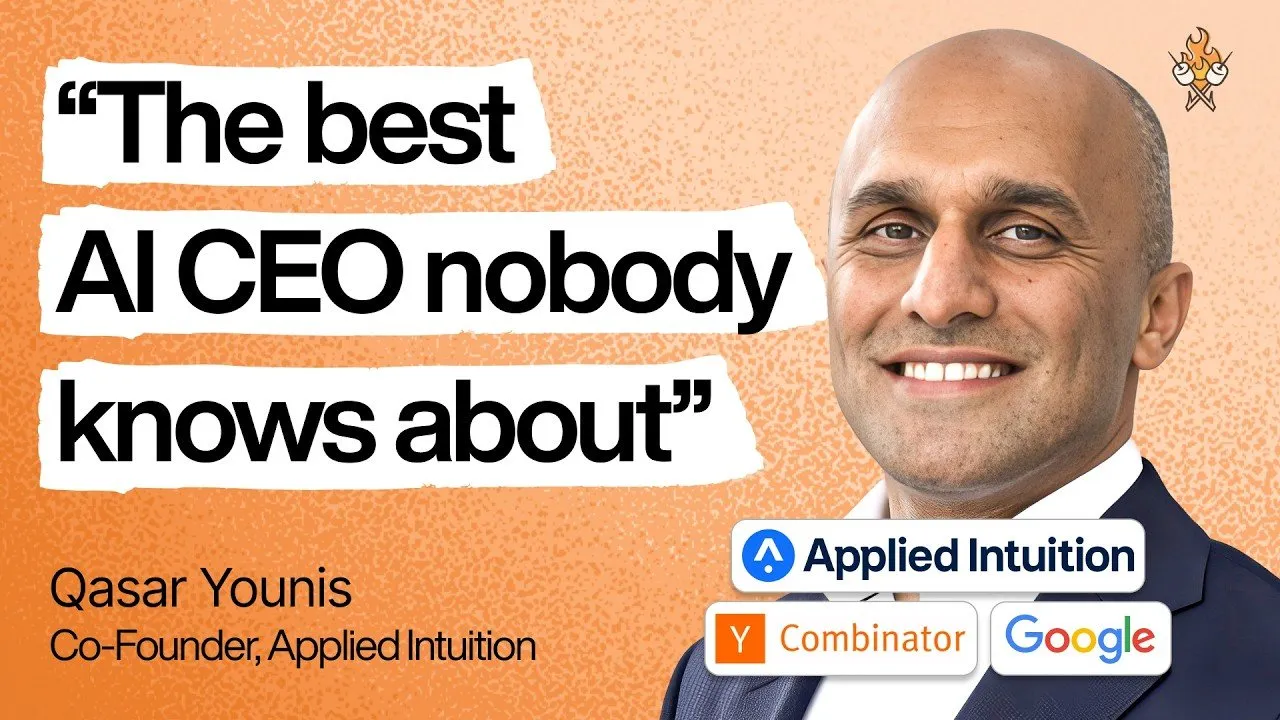
In the rapidly evolving landscape of artificial intelligence, most conversations center on large language models and software applications. However, a silent revolution is unfolding in the physical world. Qasar Younis, co-founder and CEO of Applied Intuition, is at the helm of this shift, building the software that brings autonomy to vehicles, mining rigs, construction equipment, and defense systems. Despite maintaining a low profile for a decade, his company has become a 15-billion-dollar juggernaut, serving 18 of the top 20 automakers and essential global industries.
Key Takeaways
- Physical AI vs. Digital AI: The most significant impact of AI in the coming decade will occur in high-stakes physical industries like agriculture, mining, and transportation, rather than just in software bubbles.
- The Power of Radical Pragmatism: Maintaining a "build first, talk later" mentality allows founders to focus on product-market fit without the external pressure of constant public scrutiny.
- Diverse Inputs Drive Better Strategy: Exposure to varied life experiences, history, and non-tech literature helps founders build better products by fostering true perspective and taste.
- Technology as a Force for Abundance: AI should be viewed through an optimistic, historical lens—much like the Industrial Revolution—as a tool to reduce human suffering and democratize access to essential services.
The Shift Toward Physical Autonomy
While many fear the rise of humanoid robots, Younis argues that the real, near-term value of AI lies in retrofitting intelligence into the machines that already underpin our civilization. From self-driving trucks to autonomous farming equipment, the technology is stepping in exactly when it is most needed.
Solving the Labor Crisis
Industries like farming and long-haul trucking are facing a demographic cliff. The average farmer is entering retirement age, and there are not enough young workers willing to take on these demanding, often hazardous roles. Younis suggests that AI is not coming to replace humans, but rather to save industries that are struggling to survive. By automating the dangerous or repetitive aspects of these jobs, technology provides a necessary helping hand to an aging workforce.
The real impact of AI in the next 5 to 10 years really is going to be in farming, mining, construction; these industries need autonomy and it couldn't come soon enough.
Combating Anxiety Through Understanding
Public anxiety regarding AI often stems from a lack of technical literacy. When people see videos of pre-programmed "nunchuck-wielding" robots, they perceive sentience where there is only mechanical engineering. Younis implores the public to move past the fear-based narrative and learn the limitations of the technology.
Reframing the Narrative
Fear often leads to the impulse to "pump the brakes" on innovation. However, Younis warns that stifling technological progress in the name of safety can have severe unintended consequences, particularly for the most marginalized members of the economy. A healthy approach involves acknowledging risks while actively participating in the technology’s development to ensure it is used for humanitarian progress—such as increasing mobility for the disabled or improving safety in mining operations.
The Philosophy of Building in Silence
Younis is a vocal proponent of building quietly. In an era where "building in public" is the standard advice for founders, his journey stands as a refreshing counter-narrative. For years, Applied Intuition avoided the spotlight, focusing entirely on product and customer feedback rather than chasing media attention or social media trends.
Tactical Pragmatism
Staying under the radar for the first decade of a company's life isn't just about being contrarian—it’s about operational hygiene. When a founder is constantly crafting content for the public, they dilute their limited time and attention. By focusing on the "craft" of the business, leaders can build a more sustainable machine that solves actual problems rather than one that just performs well on a social feed.
Our best work is done alone and quietly. Every minute you're writing something for public consumption, you're not focusing your very limited time on your customers and your product.
Developing Founder Taste
One of the more unique pillars of Younis’s philosophy is the importance of "taste." He suggests that many founders fail because their life experiences are too narrow. Having never worked at the "bottom of the totem pole" in a large organization, they lack the empathy and practical insight required to manage complex systems effectively.
The Value of Non-Obvious Inputs
Younis credits his success to his habit of consuming content far outside his immediate industry. By reading old books, studying history, and understanding how different cultures organize their work, he has developed a broader mental model. He encourages founders to do the same—to seek out what they do not understand, treat their company as a living system, and never lose the ability to laugh and keep things grounded.
Conclusion
The future of AI is not just about chatbots or virtual assistants; it is about the integration of intelligence into the fabric of our physical world. By focusing on radical pragmatism, maintaining operational discipline, and refusing to let fear drive decision-making, we can steer this technological shift toward a future of greater abundance. As Qasar Younis demonstrates, the most successful companies are often those that prioritize the craft of building over the noise of the spotlight, ensuring that the work itself speaks louder than any marketing campaign ever could.

![URGENT: Most Investors Aren’t Ready! [Its Happening Right Now]](/content/images/size/w1304/format/webp/2026/03/oil-market-surge-investment-risk.jpg)