Table of Contents
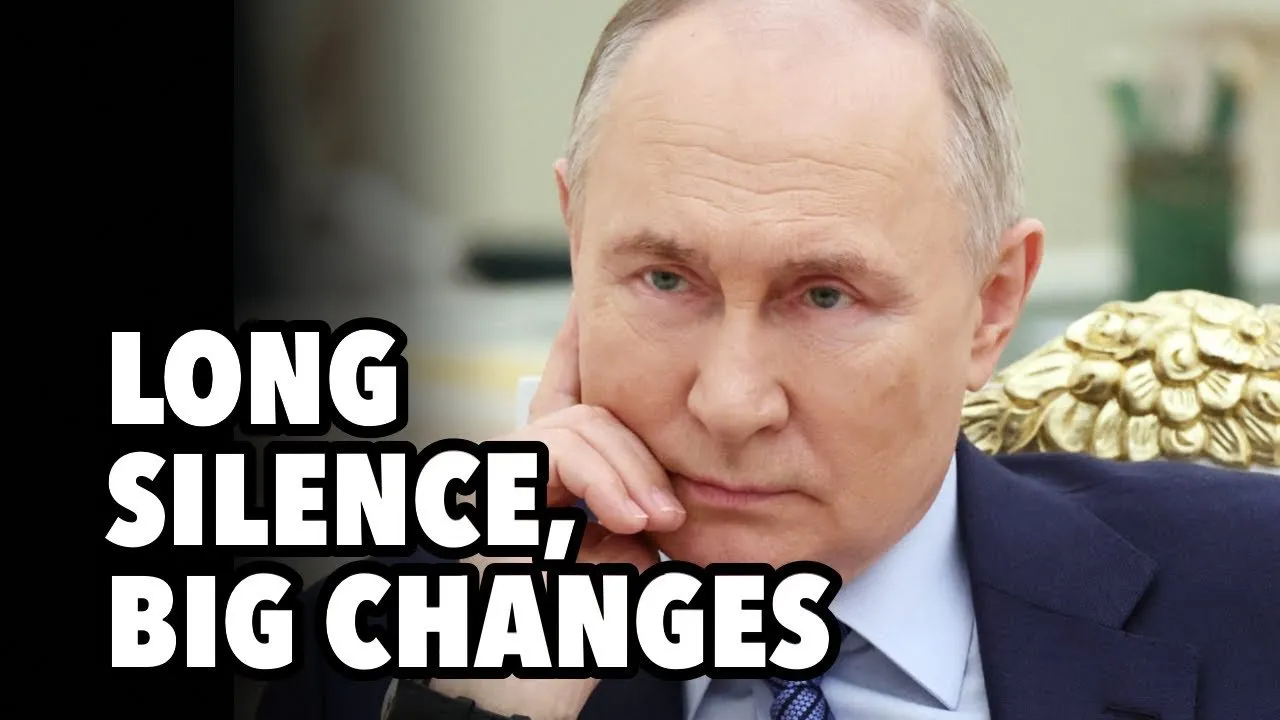
Vladimir Putin’s recent disappearance from the public eye following the Russian Orthodox Christmas holidays has sparked intense speculation across geopolitical circles. For nearly two weeks, the Russian President maintained an unusually low profile, abstaining from calls with foreign leaders and avoiding significant public statements. While holidays typically account for a slower news cycle, this extended radio silence suggests something far more significant than a winter break. Analysts argue that this period was likely used for intense internal debates within the Kremlin—a strategic pause triggered by escalating tensions and a breakdown in trust regarding ongoing diplomatic backchannels with the United States.
Key Takeaways
- Strategic recalibration: Putin’s 12-day absence likely signals a major shift in Kremlin policy, moving away from diplomacy toward a harder military line.
- The Valdai factor: A contested drone incident near Putin’s residence has severely damaged trust in backchannel negotiations with the Trump administration.
- The shift to total war: Russia appears to be abandoning the "charade" of diplomacy in favor of intensifying the conflict, including a potential blockade of Odessa.
- The succession fallacy: Western intelligence assumes removing Putin would destabilize Russia, overlooking the probability that a hardliner like Dmitry Medvedev would succeed him.
The Significance of the Twelve-Day Silence
In the world of Russian politics, the visibility of the President is a barometer for the state’s stability. Following the Orthodox Christmas on January 7, Vladimir Putin effectively vanished for twelve days. While he has since resurfaced for meetings with Deputy Prime Minister Denis Manturov regarding the defense industry, the interim period was characterized by a complete vacuum of high-level diplomatic engagement.
This absence is highly uncharacteristic for a leader known for his hands-on management style. The prevailing theory is that this silence was not a vacation, but a period of critical reassessment. The Kremlin has likely been debating the viability of continuing negotiations with Washington in light of recent escalations. The consensus emerging from Moscow is that the diplomatic track is failing, necessitating a pivot toward more decisive military outcomes.
The Valdai Drone Incident: A Turning Point
The catalyst for this strategic shift appears to be a drone attack targeting the region of Valdai, the location of one of Putin’s primary residences. Initially, Western media and officials denied the existence of such an attack. However, the narrative shifted rapidly, with U.S. sources eventually admitting that drones were indeed in the vicinity but were targeting an undisclosed "military facility" rather than the President himself.
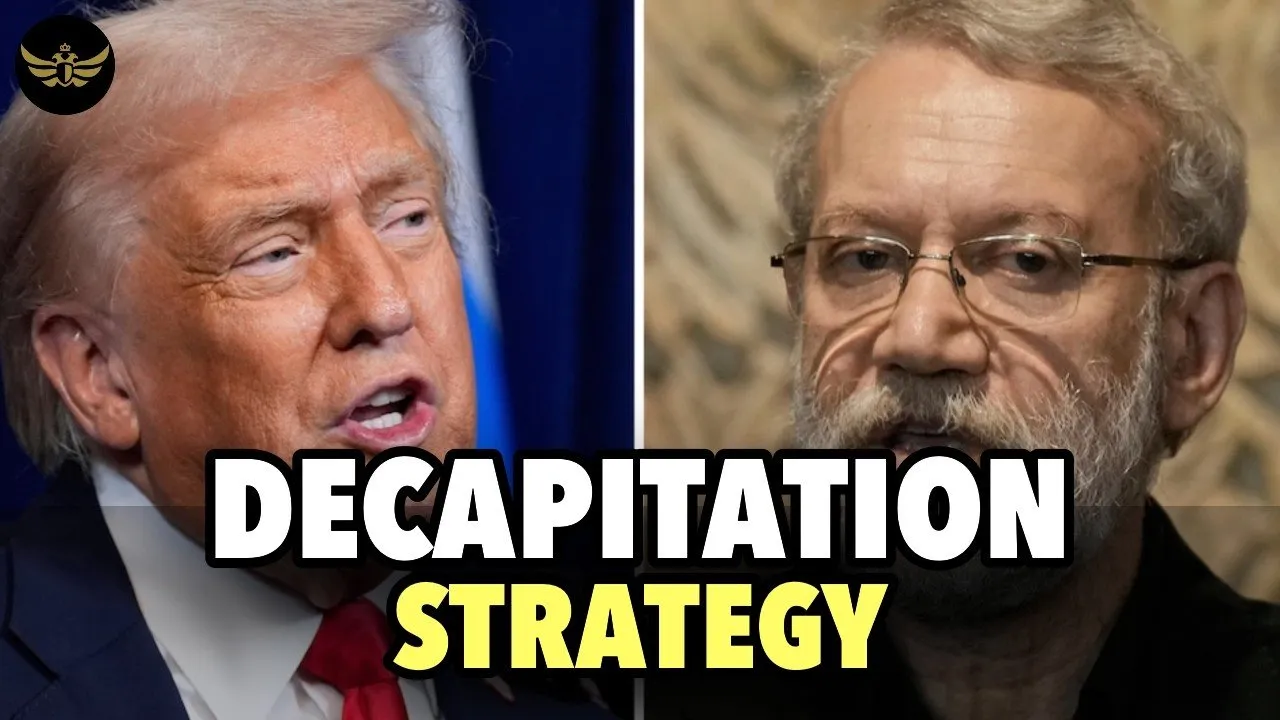
This admission has had profound implications for Russian trust in Donald Trump. Whether the attack was authorized by the White House or conducted by intelligence agencies acting independently, the result is the same: the Kremlin views the U.S. as an unreliable negotiation partner. The shifting narrative—from denial to a qualified admission—has only fueled Russian suspicions that this was a decapitation attempt masked as a military strike.
"You're engaging in a negotiation with a man you cannot fully trust because there's at least a possibility that he tried to kill you. So already we can see that there is going to be dissonance and argument and doubt, and that is already going to put the whole prospect of negotiations now under serious doubt."
The incident highlights a dangerous disconnect. If the CIA or Ukrainian intelligence services are operating without strict presidential oversight, or if the U.S. President is being manipulated by hawkish advisors, Moscow has no reliable counterpart in Washington. This forces the Kremlin to assume the worst-case scenario: that diplomacy is merely a cover for covert kinetic actions.
From Diplomacy to "Total War"
The immediate consequence of this breakdown is a hardening of Russia’s military posture. The sentiment within the Russian State Duma is that diplomatic efforts have become a "charade." Consequently, the focus is shifting entirely to the battlefield.
The Blockade of Odessa
Evidence of this shift is already visible on the ground. Recent reports indicate heavy strikes on Odessa and the destruction of merchant ships in the region, signaling a de facto blockade. By choking off Ukraine’s economic access to the Black Sea, Russia is moving from a strategy of attrition to one of economic strangulation.
Reversing Concessions
During the earlier phases of backchannel talks, Russia had reportedly made concessions or softened its stance in anticipation of a deal. Following the Valdai incident and the perceived betrayal by American negotiators, Putin is expected to reverse these concessions. The emerging doctrine suggests a move toward "total war," where decision-making centers and economic infrastructure become primary targets, regardless of diplomatic fallout.
The CIA's Ascendance and the Danger of Covert Action
With the Pentagon seemingly taking a step back due to funding disputes and strategic reprioritization, the Central Intelligence Agency (CIA) appears to have taken a dominant role in managing the conflict in Ukraine. The rise of figures like Kyrylo Budanov in Kiev—often cited as having close ties to U.S. intelligence—reinforces the perception that the war is transitioning into a phase of covert operations, assassinations, and sabotage.
This "Godfather-style" foreign policy carries immense risks. Covert actions, such as the drone strikes deep inside Russian territory, are often tactical gambles with strategic consequences they cannot control. The danger lies in the lack of accountability; if the CIA is driving policy through covert action rather than traditional statecraft, the potential for accidental escalation between nuclear powers increases exponentially.
The Miscalculation of Regime Change
A persistent belief in Western capitals is that Vladimir Putin is the sole pillar supporting the Russian state and that his removal would lead to the collapse of the war effort. This "Great Man" theory of history ignores the structural reality of the Russian Federation.
If a decapitation strike were successful, the likely successor would not be a pro-Western liberal, but Dmitry Medvedev. As the current head of the Military-Industrial Commission, Medvedev is deeply embedded in the defense establishment. His public rhetoric has been consistently more hawkish than Putin’s, viewing the conflict as an existential struggle against the West.
"If they'd killed Putin, the man who would almost certainly take over would be Medvedev... He is very, very close to the military. He is very hardline as we have seen. He is somebody who clearly believes in total war."
Eliminating Putin would arguably validate the hardliners' worldview, replacing a leader who is still open to calculation and negotiation with one who feels vindicated in pursuing maximum military escalation. The assumption that chaos would ensue overlooks the rigidity and depth of the Russian security state.
Conclusion
Vladimir Putin’s silence was not a sign of weakness, but of deliberation. The events surrounding the Valdai drone incident have likely closed the window on near-term diplomatic solutions. As trust evaporates between Moscow and Washington, the conflict is entering a more dangerous, unconstrained phase. The Kremlin appears ready to abandon the pretense of negotiation, viewing the U.S. administration not as a partner, but as a chaotic entity incapable of honoring its commitments. For the coming months, the world should expect less talk and significantly more action on the Ukrainian front.