Table of Contents
The geopolitical landscape is shifting rapidly, marked by a dramatic government shakeup in Kiev and a high-stakes game of espionage involving the Kremlin and the White House. While the media focuses on surface-level diplomatic statements, events on the ground suggest a deepening fracture in potential negotiations between Russia and the United States. From the dismissal of key Ukrainian intelligence figures to a mysterious drone incident near Vladimir Putin's residence, the signals point toward an escalation rather than a detente. Below, we analyze the purge in Ukraine, the implications of the Valdai drone strike, and why the window for diplomacy may be closing.
Key Takeaways
- Major Shakeup in Kiev: A significant purge is underway in the Zelensky administration, including the sacking of the SBU chief and the reshuffling of the defense ministry, signaling internal power struggles and preparation for a long-term insurgency.
- The Valdai "Trap": Analysts speculate that the recent drone strike near Putin's Valdai residence may have been a counter-intelligence sting operation designed to test whether the Trump administration would weaponize diplomatic intelligence.
- The Venezuela Connection: U.S. actions in Venezuela have undermined the credibility of "peace broker" nations like Brazil, making Russia's diplomatic charade with the West increasingly difficult to maintain.
- Putin’s Silence: The Russian President has gone "to ground," a behavior often observed prior to significant strategic pivots or escalations.
The Great Kiev Purge: Consolidating Power for the Long Haul
While global attention is split between Venezuela and Eastern Europe, a massive restructuring is taking place within the Ukrainian government. This goes beyond routine cabinet shuffles; it appears to be a consolidation of power by specific factions anticipating the collapse of conventional warfare.
Intelligence Agencies at War
The most notable development is the appointment of Kyrylo Budanov as Chief of Staff. Simultaneously, his long-time rival, Vasyl Malyuk, has been removed as the head of the SBU (Security Service of Ukraine). This indicates a victory for the Budanov faction, yet it is not a clean sweep.
President Zelensky appears to be balancing these moves by appointing allies of Andriy Yermak into other key positions, including the Foreign Intelligence Service. This internal tug-of-war suggests that while Zelensky is attempting to maintain equilibrium, his political influence is waning.
The "Poisoned Chalice" of the Energy Ministry
Denys Shmyhal has been moved from Defense Minister to Energy Minister. While this allows for a fresh face at Defense—a 34-year-old with no military background—the move for Shmyhal is widely viewed as a setup for failure. With Russia systematically dismantling Ukraine's energy infrastructure, the position of Energy Minister is currently the most precarious role in the cabinet.
That appointment has all the look to me of preparing for the day after the conventional war ends and Ukraine is defeated, and preparing for a long-term insurgency.
The restructuring suggests that Kiev is pivoting away from conventional frontline governance toward a structure supported by Western intelligence agencies, designed to oversee a prolonged guerilla conflict.
High-Stakes Espionage: Did Putin Bait Trump?
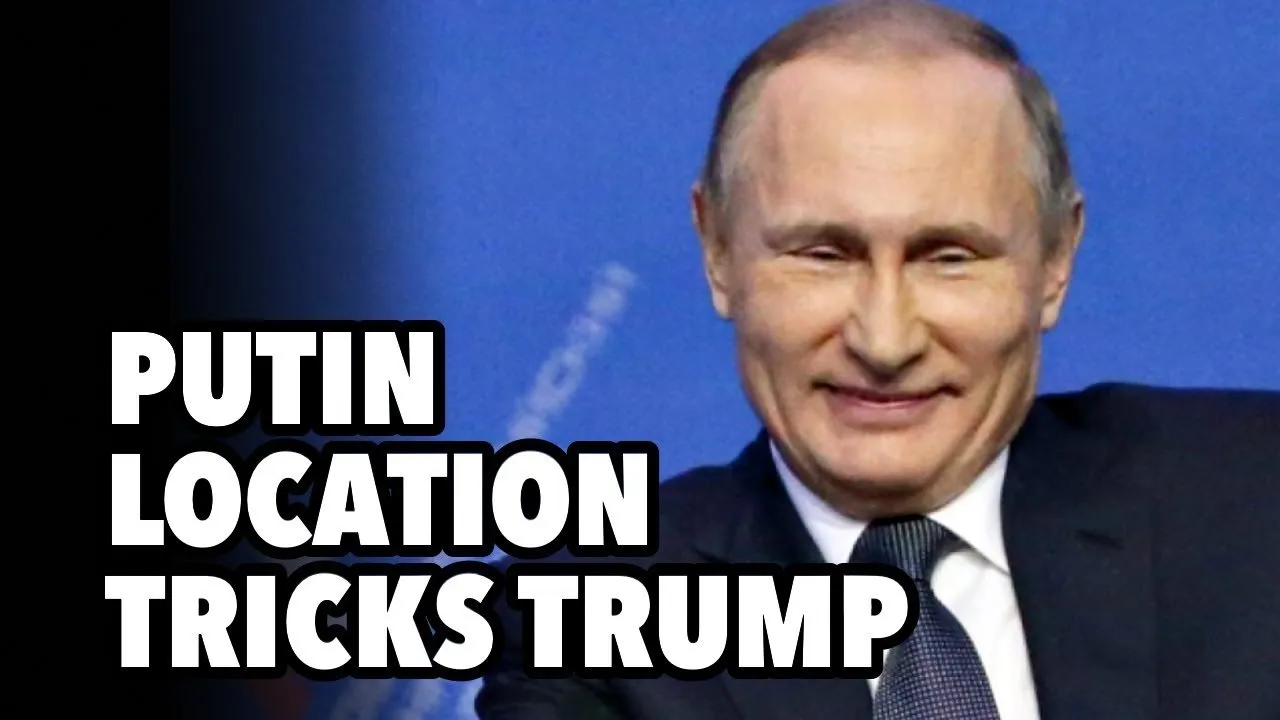
Perhaps the most explosive development concerns the recent drone strikes in the Novgorod region, specifically targeting areas near Vladimir Putin’s Valdai residency. The narrative surrounding this event has shifted from a simple military attack to a potential masterclass in counter-intelligence.
The Valdai Test Theory
There is growing speculation that the Kremlin may have used the scheduling of a phone call between Putin and Donald Trump as a litmus test for the incoming U.S. administration. The theory posits that Russian officials may have falsely informed the U.S. that Putin would be at his Valdai residence for the call.
In reality, Putin was in the Kremlin. However, shortly after this coordination supposedly took place, drones targeted the vicinity of the Valdai residence. If this timeline holds true, it implies that the U.S. apparatus—whether the CIA or the administration itself—used the location data provided for the call to launch an assassination attempt.
Official Admissions and Ushakov’s Reaction
The U.S. response has been unusually candid. Through leaks to the New York Times and statements by Donald Trump, the U.S. admitted that drones were sent to the region but claimed they were "targeting a location close to Putin's residency," not the residence itself.
However, no other strategic target exists in that specific area of Novgorod. The reaction from Kremlin aide Yuri Ushakov was notable not for its anger, but for its amusement. This demeanor supports the theory that the Russians knew the attack was coming because they planted the information themselves.
If this was indeed a test to see if Trump could be trusted or if the "Deep State" would override him, the result was a catastrophic failure of trust. It signals to Moscow that even while negotiating, the U.S. side is actively attempting decapitation strikes.
The Diplomatic Charade and the BRICS Factor
For months, the Kremlin has engaged in a diplomatic dance, entertaining the possibility of negotiations with the U.S. primarily to appease its BRICS partners—China, Brazil, and India. These nations have pushed for a ceasefire and a diplomatic resolution.
The Venezuela Fallout
Recent U.S. actions in Venezuela have shattered the illusion that a rational diplomatic path exists. The aggression against the Maduro government has humiliated Brazil, which positioned itself as the great regional stabilizer and peace broker. Lula da Silva’s inability to manage the crisis in his own backyard severely diminishes his standing to demand Russia negotiate with the West.
China, too, has been "burned" by the Venezuelan outcome. The argument that Russia must continue the "charade" of diplomacy to keep its allies happy is losing weight. The allies themselves are witnessing that the U.S. approach remains aggressive and zero-sum, regardless of the administration in charge.
Conclusion: The Silence Before the Storm
Following these events, Vladimir Putin has largely vanished from the public eye, missing routine appearances during the Russian Christmas period. Historically, when the Russian President goes "to ground," it presages a significant shift in strategy.
The combination of the failed "trust test" involving the Valdai drones and the aggressive U.S. foreign policy moves in South America has likely solidified the Kremlin's resolve. The hope for a pragmatic relationship with the Trump administration is eroding. Russia appears to be concluding that the diplomatic track is a dead end and that the conflict will only be resolved through a definitive military outcome.