Table of Contents
In the rapidly evolving landscape of blockchain infrastructure, few pivots are as significant as the one recently announced by Polygon Labs. Long known as a premier general-purpose scaling solution for Ethereum, Polygon is shifting gears to become a specialized, U.S.-regulated payments platform. This strategic realignment, bolstered by the acquisitions of Coinme and Sequence, aims to solve the fragmentation that currently plagues institutional adoption of stablecoins.
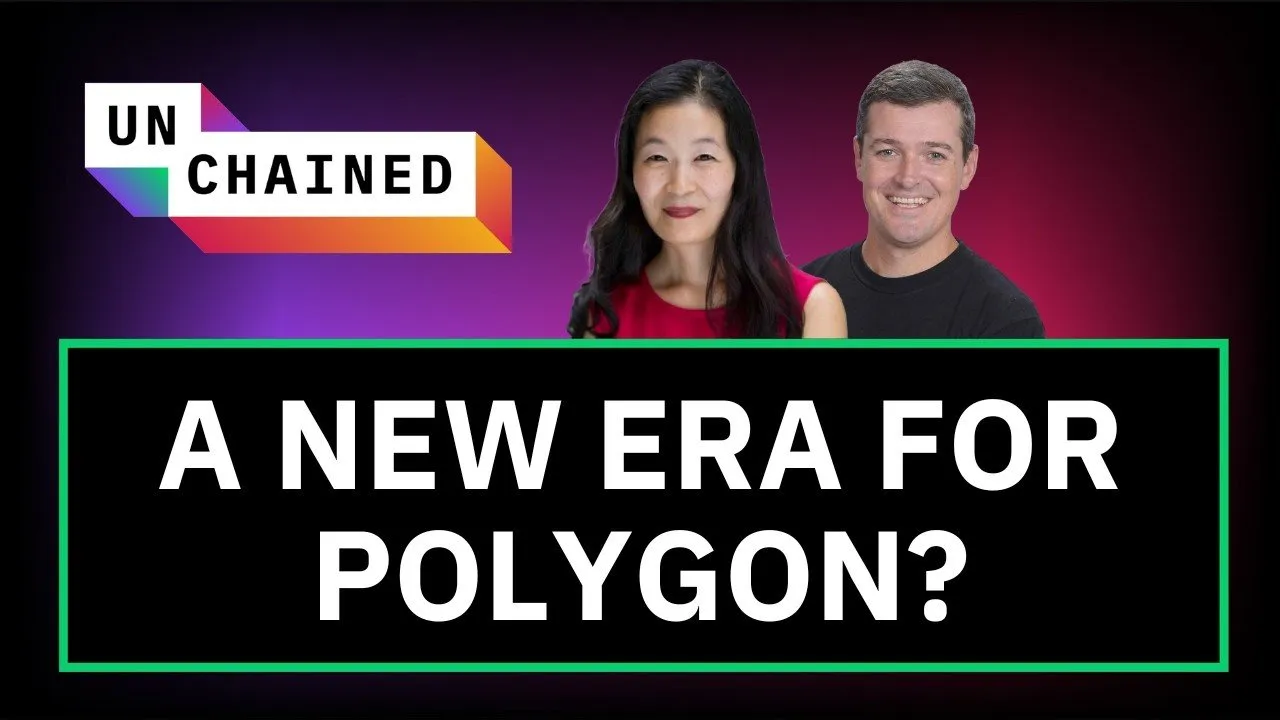
During a recent discussion with Laura Shin on the Unchained podcast, Marc Boiron, CEO of Polygon Labs, outlined a vision where blockchains evolve from general-purpose networks into sector-specific powerhouses. By focusing relentlessly on the "Open Money Stack," Polygon intends to move beyond simple transaction processing to becoming the foundational infrastructure for global finance.
Key Takeaways
- Strategic Pivot to Payments: Polygon is transitioning from a general-purpose Layer 2 to a "sector-specific" chain focused on streamlining payments for banks, fintechs, and enterprises.
- Major Acquisitions: The purchases of Coinme (on-ramps) and Sequence (wallet/infrastructure) allow Polygon to offer a unified "Open Money Stack" via a single API.
- The "Trojan Horse" of Cash: Coinme’s physical cash-to-crypto network provides a unique competitive wedge, enabling immediate liquidity and reducing fraud risks compared to digital transfers.
- Value Accrual for POL: The shift creates a revenue-generating model for Polygon Labs, with the potential to drive massive transaction volume to the chain, directly benefiting the POL token economy.
- The FX Opportunity: With 70-80% of non-USD stablecoin volume already on Polygon, the platform is targeting the $7 trillion daily foreign exchange market.
The Shift to a "Sector-Specific" Chain
For years, the blockchain industry has debated the merits of general-purpose chains versus application-specific chains (app-chains). Polygon is carving out a middle ground: the sector-specific chain. According to Boiron, the pivot was driven by feedback from institutions who found the current state of stablecoin integration prohibitively complex.
Fintechs and banks currently face a fragmented landscape where they must independently source providers for on-ramps, wallets, liquidity, and interoperability. This piecemeal approach often extends integration timelines to over six months.
"We realized... all of them are talking about how hard it is to use stable coins... It’s not the actual transfer of stable coins that’s hard. It’s them actually offering stable coins, basically as a service for others to move money."
What Happens to Existing Apps?
This pivot does not mean Polygon is abandoning its ecosystem of gaming and decentralized finance (DeFi) applications. Boiron argues that most on-chain activities—whether buying in-game assets or taking a position on PolyMarket—are fundamentally payment transactions. While the infrastructure is being optimized for payments, it remains a robust environment for any application that relies on the efficient movement of value.
Building the "Open Money Stack"
To execute this vision, Polygon Labs acquired Coinme and Sequence. These acquisitions are not merely add-ons; they are the pillars of what Boiron calls the "Open Money Stack." The goal is to offer a single API that handles the entire lifecycle of a transaction: on-ramping, holding, moving, and utilizing funds.
The "Trojan Horse" of Cash-to-Crypto
Coinme provides a specific strategic advantage: physical cash on-ramps. Boiron describes this as a "Trojan Horse" in a crowded market. While digital on-ramps are highly competitive and fraught with chargeback risks, physical cash deposits are final and immediate.
This capability is particularly vital for banking the unbanked and facilitating remittances. By allowing users to convert physical cash into stablecoins instantly, Polygon can bypass traditional banking friction points. Once a user or enterprise integrates for the cash use case, cross-selling other services within the stack becomes significantly easier.
Wallets and Interoperability
Sequence brings wallet-as-a-service infrastructure and "Trails," a high-level cross-chain interoperability solution. The vision is to make bridging assets invisible to the user. Instead of manually navigating bridges, a user on a gaming app or a fintech platform should be able to click "earn" or "pay," with the infrastructure handling the cross-chain complexity in the background.
The Economic Implications for POL
Investors and community members are rightfully curious about what this business-to-business (B2B) pivot means for the POL token. Boiron was explicit that this move is about generating sustainable revenue and driving volume to the underlying decentralized network.
The Visa Analogy
Boiron draws a direct comparison to Visa to illustrate the potential scale. Visa generates billions not just from moving volume, but from value-added services and transaction fees. By capturing even a fraction of the global payments market, Polygon aims to accrue significant value to the network.
"If we do phenomenally well relative to competition... we'll probably be one of the biggest companies that has ever existed in the world."
The logic is symbiotic: Polygon Labs acts as a centralized entity aggressively selling services to enterprises. These services, in turn, push massive transaction volume onto the decentralized Polygon blockchain. High volume translates to network fees and utility, which underpins the value of the POL token.
Winning the Global FX Market
While U.S. dollar-backed stablecoins currently dominate the market, Polygon is betting heavily on the future of foreign exchange (FX) on-chain. Boiron noted that 70% to 80% of all non-USD stablecoin volumes currently take place on Polygon.
The strategy is to capitalize on the $7 trillion daily FX market by enabling 24/7 trading and settlement for various currencies. This approach leverages Polygon’s existing global footprint, which includes strong adoption in:
- LATAM: Deep integration with fintechs.
- Africa: Partnerships with major payment service providers like Flutterwave.
- India and Southeast Asia: Establishing dominance in local currency stablecoin usage.
By focusing on "money on-chain"—meaning keeping assets within the ecosystem to earn yield or be utilized rather than immediately off-ramping—Polygon aims to create a sticky liquidity environment that rivals traditional banking networks.
Conclusion
Polygon’s pivot to a payments-centric model represents a maturity in the blockchain sector. Rather than trying to be everything to everyone, Polygon is doubling down on its strongest use case: moving value efficiently. By vertically integrating on-ramps, wallets, and chain infrastructure, they are attempting to solve the fragmentation that has long kept institutional capital on the sidelines. If successful, this strategy could transition Polygon from a crypto-native scaling solution to a fundamental rail of the global financial system.