Table of Contents
The global geopolitical landscape is currently undergoing a radical and potentially irreversible transformation. As traditional power structures shift, we are witnessing the onset of a new era defined by protracted conflicts, resource scarcity, and a profound reorientation of international alliances. From the escalating tensions in the Middle East to the systematic industrial and cultural shifts within Western nations, the current trajectory suggests that the world is moving toward a period of intense volatility and forced self-sufficiency.
Key Takeaways
- Protracted Conflict: The war in the Middle East is evolving into a long-term conflict of attrition, effectively closing off diplomatic off-ramps and threatening the stability of the global economy.
- The End of Cheap Energy: Global reliance on accessible, inexpensive energy is being dismantled, forcing nations toward de-industrialization and the urgent development of self-sufficient supply chains.
- Remilitarization and Mercantilism: As the aura of American invincibility fades, nations—particularly in East Asia—are shifting toward independent military capabilities and protectionist economic policies.
- The Crisis of Western Identity: Western civilization is facing a unique existential challenge, characterized by the internal abandonment of its own cultural heritage and intellectual foundations.
The Logic of Protracted War in the Middle East
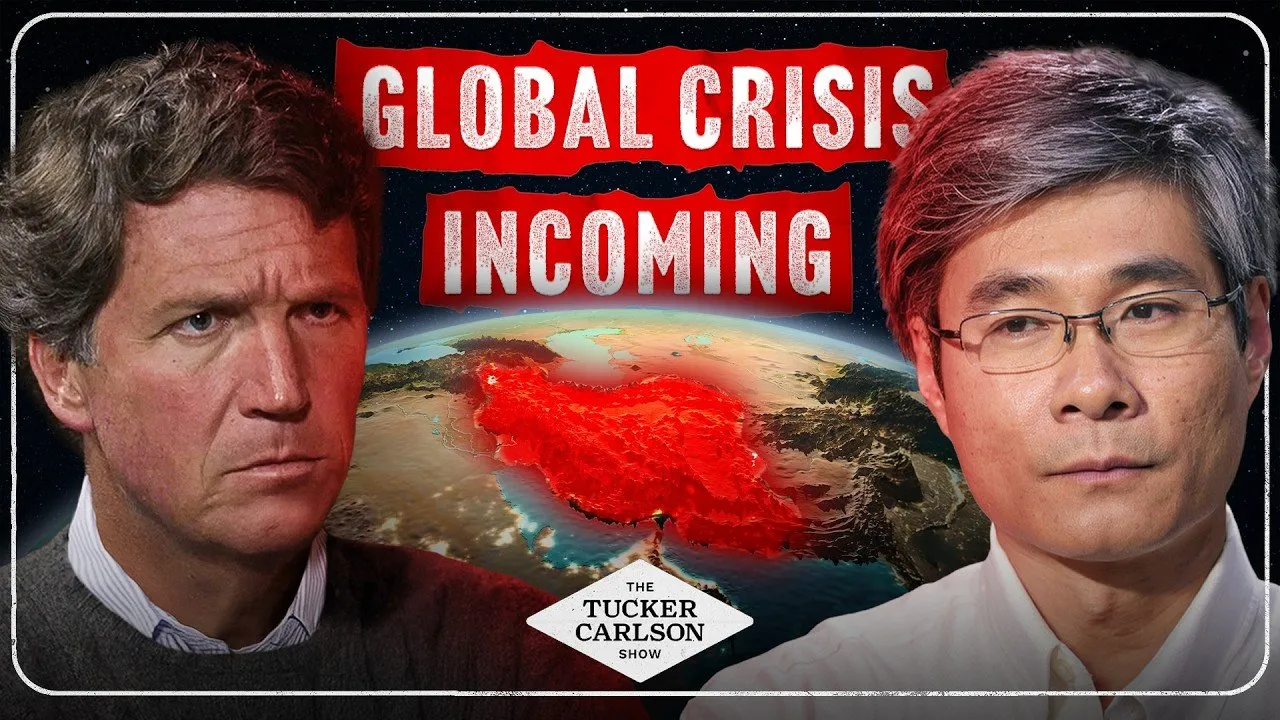
The current war involving Iran and the GCC is not merely a regional dispute; it possesses a momentum that mirrors the prolonged nature of the conflict in Ukraine. Experts suggest that the removal of moderate Iranian figures—such as the late Ali Larijani—has eliminated the primary architects capable of negotiating a ceasefire. Without an off-ramp, both sides remain committed to a war of attrition that directly threatens the petrodollar system.
"Once this war starts, it achieves a momentum and a logic of its own. Both sides are committed to a long war of attrition, and the consequences for the entire global economy are quite dire."
The economic stakes are catastrophic. The global economy is built on a foundation of cheap energy, and if the Strait of Hormuz becomes contested or oil prices skyrocket to $200 per barrel, the resulting inflationary pressure will likely force nations into food rationing and energy poverty. The U.S. remains "stuck" in the middle; a withdrawal would signify the collapse of the U.S. dollar as a reserve currency, while continued involvement risks deeper entanglement in a conflict it is not positioned to win decisively.
Global Trends: De-industrialization and the New Mercantile Order
As the "Pax Americana" model erodes, the world is shifting toward three distinct pillars: de-industrialization, remilitarization, and mercantilism. Countries that previously relied on American protection must now recalibrate their entire national strategies.
The Resurgence of National Self-Sufficiency
Japan serves as a primary example of a nation forced to adapt. Despite structural weaknesses like an aging population and resource dependency, historical patterns suggest a high degree of cultural resilience. The move toward mercantilism means that industrial powerhouses like Japan and Germany will no longer be able to rely on global trade stability. They must instead look to secure their own independent, self-sufficient supply chains, which may necessitate an expansion of their borders or influence.
The Future of East Asia and the China-Japan Dynamic
While China has benefited from the status quo of the globalized economy, the energy crunch threatens its export-driven manufacturing model. The underlying tension in East Asia is characterized by a fundamental difference in worldviews: China, which views itself as the "Middle Kingdom"—an insular, self-sufficient entity—and Japan, a seafaring nation necessitated by its geographic limitations to extract resources externally.
The South Korean Paradox
South Korea faces a unique set of challenges, including a record-low birth rate that is intrinsically linked to its "oligopolized" economic structure. Intense competition for access to a handful of elite corporations has transformed the nation into a high-pressure environment where child-rearing is often viewed as a strategic liability rather than a communal contribution. This erosion of community in favor of hyper-competition is a recurring theme across the modern industrial world.
The Control Demolition of Western Societies
A disturbing trend has emerged across the Anglosphere, from Canada to Western Europe. Nations appear to be adopting policies that systematically undermine their own social cohesion and economic viability. This includes the implementation of mass immigration programs that conflict with local cultural identities, often resulting in a deliberate "hollowing out" of the middle class.
"It seems as though these nations are being destroyed purposely. For what end? I don't know. But I would just say there is a certain pattern that has emerged."
The irony remains that while Western institutions like Yale and Harvard have largely abandoned the study of Western classics—Plato, Homer, and Dante—these works are being embraced abroad, particularly in China. The abandonment of these intellectual and spiritual foundations is perhaps the most significant indicator of the current internal collapse of the West.
Conclusion
The path forward requires a drastic departure from the current course of escalation and ideological conformity. A sustainable future depends on a new, collaborative world order where sovereign nations respect each other’s interests rather than engaging in perpetual warfare. However, as eschatological fervor and geopolitical entanglements continue to guide the decision-making of world leaders, the risk of a systemic collapse of Western civilization remains a stark reality. History reminds us that empires do not always fall due to external pressures; often, they erode from within when they lose sight of the values and truths that once secured their greatness.