Table of Contents
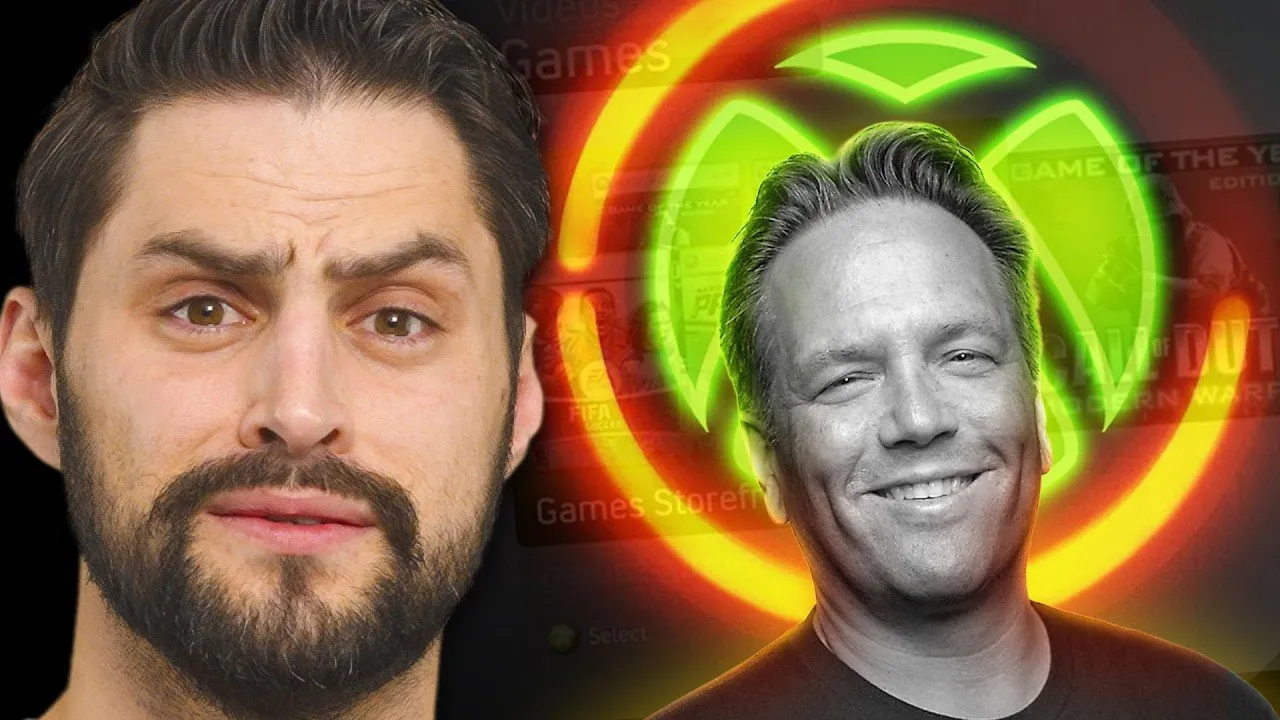
Microsoft announced a significant leadership transition for its gaming division on Friday, confirming that Phil Spencer, CEO of Microsoft Gaming, is retiring after a decade at the helm. Spencer, a 30-year veteran of the company who is widely credited with reviving the Xbox brand following the Xbox One launch in 2014, will be succeeded by Asha Sharma. The shakeup comes amid a broader executive exit, including Xbox President Sarah Bond, signaling a potential shift in the company’s "Xbox everywhere" strategy.
Key Points
- Phil Spencer retires from Microsoft Gaming, replaced by former AI executive Asha Sharma.
- Wikipedia blacklists Archive.today following evidence of DDoS attacks and tampering with web snapshots.
- Security researchers reveal that Persona, a Discord-linked age verification provider, performs 269 distinct verification checks, though claims of direct federal surveillance remain unconfirmed.
- New leaks suggest next-generation desktop processors from both Intel and AMD may be delayed until CES 2027.
Leadership Transition and the Future of Xbox
The departure of Phil Spencer marks the end of an era for Microsoft’s gaming efforts. Spencer’s tenure was defined by a pivot toward subscription services like Xbox Game Pass and the acquisition of major publishers, including Bethesda and Activision Blizzard. However, his exit coincides with three consecutive years of declining hardware revenue and a controversial "Xbox everywhere" strategy that de-emphasized console exclusivity in favor of cloud and mobile platforms.
Asha Sharma, who joined Microsoft in 2024 after leadership roles at Meta and Instacart, steps into the role with a background primarily in product engineering and artificial intelligence. While her corporate pedigree has sparked concern among hardware enthusiasts, Sharma moved quickly to address the community’s fears regarding the encroachment of generative AI in game development.
"We will not chase short-term efficiency or flood our ecosystem with soulless AI slop. Games are and always will be art crafted by humans."
According to reports from The Verge, the departure of Sarah Bond has met with relief from some internal sectors of the company. Bond had been a vocal proponent of moving away from traditional console hardware, a strategy that some critics argue has diluted the Xbox brand identity.
Digital Integrity: Wikipedia vs. Archive.today
In a major move for digital archiving, Wikipedia editors have officially blacklisted Archive.today, a popular tool for bypassing paywalls and preserving web pages. The decision led to the purging of approximately 695,000 links from the English version of the encyclopedia. The move follows a community discussion highlighting security risks and instances of snapshot tampering.
The conflict escalated after Yanni Pakalio, author of the Gyrovag blog, allegedly exposed aliases of the Archive.today maintainer. In retaliation, the service reportedly embedded malicious code in its captures to funnel DDoS (Distributed Denial of Service) traffic toward Pakalio’s site. Furthermore, editors discovered that Archive.today had begun altering the content of its captures, including changing the attributed authors of specific blog posts. The maintainer reportedly defended the actions in emails to Pakalio, describing the harassment campaign as "a little bit of fun."
Privacy Concerns in Age Verification
The tech community is scrutinizing Persona, an age verification provider recently tested by Discord in the United Kingdom, after a security researcher named Celeste discovered the company's front-end codebase exposed on a U.S. government server. The leak revealed that the software performs 269 individual verification checks, including screening users against global terrorism watchlists and using facial recognition to compare selfies against flagged entities.
While the technical capabilities for mass surveillance are present in the code, researchers found no direct evidence that data was being funneled to agencies like ICE or Palantir. Rick Song, CEO of Persona, attributed the presence of the "Onyx" deployment—a name shared with an ICE-purchased surveillance platform—to a colleague’s favorite Pokémon character rather than federal contracts. Song has since engaged in a public dialogue with researchers to address the security oversight and improve transparency regarding how biometric data is handled.
Market Shifts and Emerging Hardware
The hardware sector is facing potential stagnation as rumors circulate regarding delays for Intel’s Nova Lake-S and AMD’s Zen 6 "Olympic Ridge" desktop chips. While previously expected sooner, current leaks from sources on Waybo and X suggest these platforms may not debut until the 2027 Consumer Electronics Show (CES). This follows reports that AMD has stopped providing Windows driver updates for the Ryzen Z1 Extreme, the processor powering popular handhelds like the ASUS ROG Ally and Lenovo Legion Go, despite the hardware being only two years old.
Outside of the consumer desktop market, researchers at MIT have announced a breakthrough in additive manufacturing. Using a multi-material 3D printer, the team produced a fully functional linear electric motor in a single print. The process utilized five different materials and cost approximately $50 in raw components, potentially signaling a shift in how electromagnetic components are manufactured for robotics and industrial applications.
As Microsoft begins its post-Spencer era and hardware manufacturers recalibrate their release cycles, the industry appears to be moving toward a period of consolidation. The focus is shifting from raw hardware performance toward cross-platform ecosystems and the ethical implementation of automation technologies.