Table of Contents
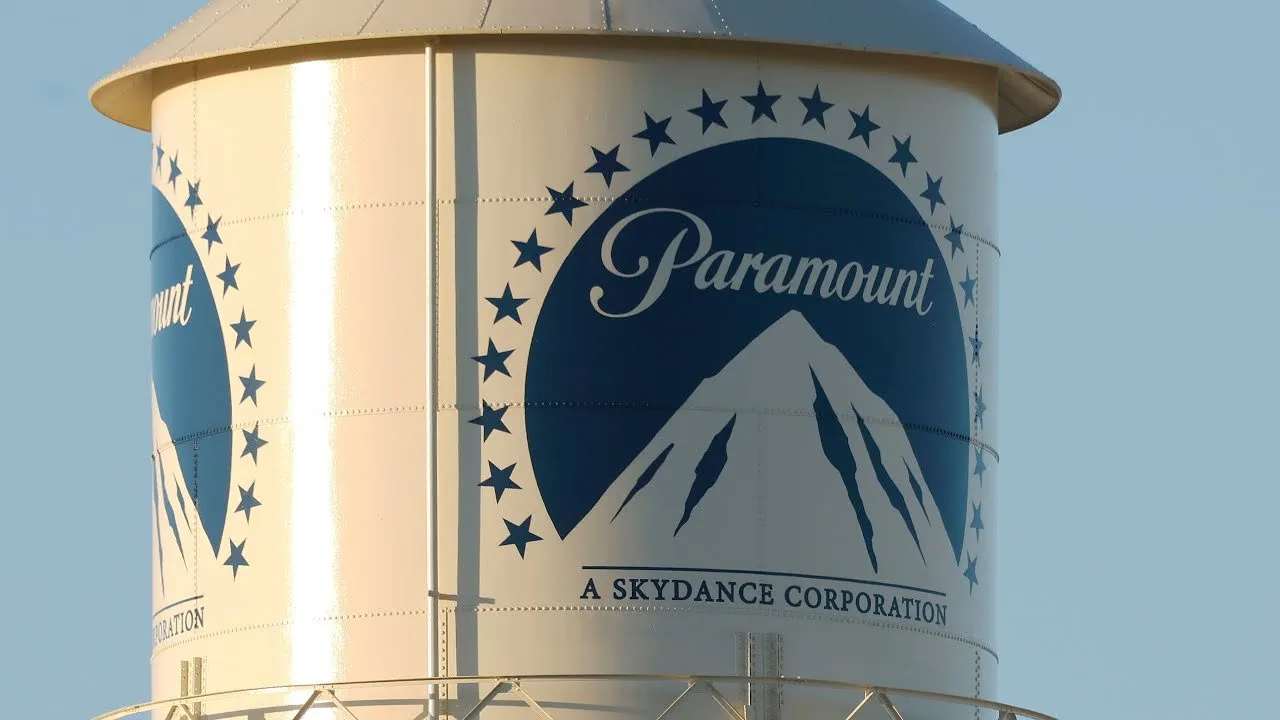
Paramount Global has intensified its hostile acquisition efforts for Warner Bros. Discovery by proposing to cover a $2.8 billion termination fee should Warner Bros. withdraw from its existing merger agreement with Netflix. While the strategic update does not increase the headline offer price per share, it aims to mitigate specific financial risks for shareholders ahead of a pivotal vote expected next month.
Key Points
- Paramount has offered to pay the $2.8 billion breakup fee Warner Bros. would owe Netflix if it terminates their current deal.
- The revised bid includes protections regarding debt refinancing, addressing concerns over restrictive covenants.
- The per-share offer remains unchanged at $30, with the "sweetener" focused entirely on removing downside risk.
- Shareholders are expected to vote on the competing offers between mid-March and early April.
Mitigating Financial Risks
According to reporting from Bloomberg, Paramount’s revised strategy focuses on removing structural barriers rather than increasing the direct cash evaluation of the company. The primary hurdle addressed is the significant penalty Warner Bros. Discovery faces for exiting its agreement with Netflix. By offering to absorb this cost, Paramount is attempting to level the playing field, ensuring that the termination fee does not dilute the value realized by Warner Bros. shareholders.
Furthermore, the revised bid addresses anxieties regarding debt management. David Ellison, a key figure in the Paramount bid, has previously faced criticism regarding onerous covenants imposed on acquired entities. To counter this, Paramount has committed to covering costs related to debt financing, aiming to reassure the Warner Bros. board regarding post-merger liquidity.
"They are addressing... two of the concerns that Warner Brothers has had about their deal. One is this question of the breakup fee... The other thing here is Warner Brothers had been really concerned about their ability to refinance their debt going forward... This does increase the total net value of the bid."
— Lucas Shaw, Bloomberg Screen Time Team Lead
Despite these concessions, the offer price remains static at $30 per share. The strategy relies on the premise that removing the friction costs of the deal—specifically the breakup fee and financing hurdles—makes the net value of the Paramount bid competitive with Netflix’s offer.
Regulatory Headwinds and Market Dynamics
Beyond the financials, the battle for Warner Bros. Discovery is being fought on regulatory grounds. Paramount contends that its acquisition proposal faces a smoother path to approval compared to a deal with Netflix. As the dominant player in the streaming market, a Netflix acquisition invites intense scrutiny regarding market consolidation.
However, Netflix has countered by highlighting that a combined Paramount and Warner Bros. Discovery would control a technically larger share of linear television viewing. Both companies are currently lobbying officials in Washington, D.C., and Europe to frame the antitrust narrative in their favor. The Department of Justice is reportedly reviewing both scenarios but has yet to issue a formal challenge.
Timeline for Decision
The window for Paramount to sway investor sentiment is narrowing. Warner Bros. Discovery is expected to schedule a shareholder vote for mid-to-late March, or early April at the latest. This vote serves as a hard deadline for Paramount’s hostile campaign.
If shareholders vote to approve the Netflix deal, Paramount's only remaining avenue would be to hope for regulatory intervention from U.S. or European authorities to block the merger. Consequently, the coming weeks will likely see aggressive lobbying and potential further adjustments to the terms as Paramount seeks to inject enough doubt into the process to stall the Netflix agreement.