Table of Contents
Paramount Global faces a critical juncture in its pursuit of Warner Bros. Discovery as analysts suggest the company needs a "knockout" offer to overcome a rival bid from Netflix. With a shareholder vote looming in approximately four weeks, the Warner board is reportedly prioritizing a deal structure that facilitates a strategic split of its studio and streaming assets from its legacy linear television business—a move that Netflix supports but a full Paramount merger could potentially derail.
Key Points
- Paramount likely needs to raise its bid to the $35 to $40 per share range to secure a deal, according to LightShed Partners.
- The Warner board considers splitting the company into separate studio/streaming and linear TV entities as a "mission critical" objective.
- Netflix’s bid for specific assets is currently more attractive because it allows the planned split to proceed this summer without the risk of regulatory blockages.
- Theatrical movie attendance has plummeted 50% compared to pre-pandemic levels, complicating the valuation of legacy studio assets.
The Strategic Split and Regulatory Risk
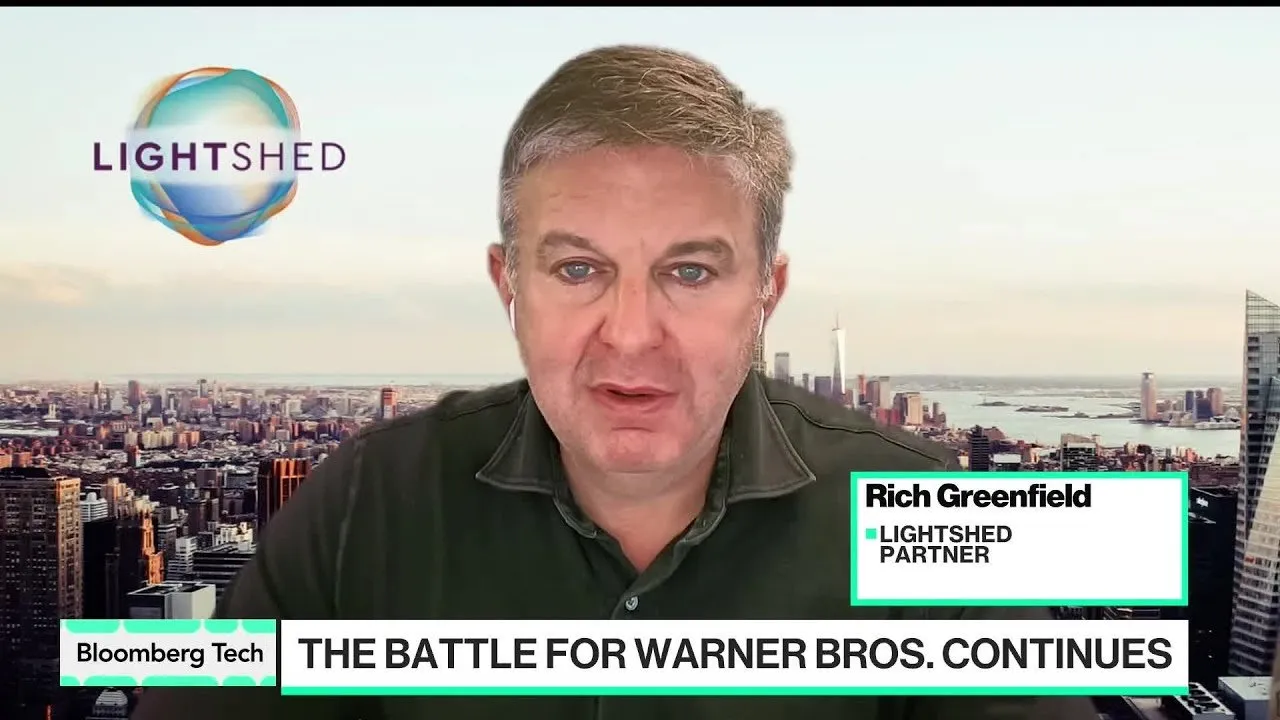
The core tension in the ongoing bidding war resides in the long-term structural goals of the Warner board. According to Rich Greenfield, co-founder of LightShed Partners, the board’s primary motivation is to isolate high-growth streaming and studio IP from the declining free cash flow of cable networks. While a bid for the entire company might appear simpler on paper, it introduces significant execution risks that the board is eager to avoid.
A primary concern involves the potential for a change in the regulatory environment. Greenfield notes that if a future administration or foreign regulators were to block a full merger between Paramount and Warner, the company would remain stuck in its current configuration until at least 2027. By opting for the Netflix route—which focuses on the streaming and studio side—Warner can affect its desired split immediately.
"The challenge now is Netflix, by buying only the streaming and studio, is not preventing Warner Brothers from affecting the split this summer. Paramount is—they want to stop the split. They need the cash flow from those high free cash flow cable network assets to finance this."
Valuation and the "Knockout" Bid
As a waiver deadline approaches this Monday, the pressure is on Paramount to improve its financial terms. Analysts suggest that Netflix is unlikely to engage in a reckless bidding war, leaving a window for Paramount if they are willing to leverage their balance sheet. However, the price of entry is steep.
Greenfield estimates that a winning bid would need to be "price stupid" to force the board's hand, likely landing between $36 and $37 per share. Such a bid would ideally be backed by cash and debt guarantees from the Ellison family to resolve concerns regarding solvency and closing certainty. Despite the competitive pressure, Greenfield warns against Paramount overpaying for assets in a volatile market.
"If I was Paramount, I would not dramatically raise my bid... I'd rather lose and invest on my own sort of the way Netflix did for a decade than overpay. And so I hope Paramount doesn't do something 'price stupid,' but we'll see over the next few weeks."
Market Implications for Theatrical Distribution
The acquisition isn't just about streaming rights; it also involves the future of theatrical distribution. Netflix has expressed interest in Warner’s robust theatrical infrastructure, which could bolster its marketing power. This comes at a time when the cinema industry is struggling with a "dark and troubled" landscape. Current data indicates that while box office revenue is down 25%, actual "butts in seats" attendance has halved since the pandemic.
The ability to produce 30 movies annually—a figure Paramount has floated—is met with skepticism by industry observers. Critics point to Disney's acquisition of Fox as a cautionary tale, where initial promises to maintain independent production levels were eventually eroded by aggressive cost-cutting measures.
While the board has a fiduciary responsibility to listen to superior offers until the final shareholder vote, the clock is ticking. If Paramount fails to deliver a meaningful increase in its valuation by the time shareholders meet in late June, Netflix is positioned to emerge as the victor in this consolidation battle. The industry now waits to see if Paramount will play it safe or risk a high-leverage "knockout" move.