Table of Contents
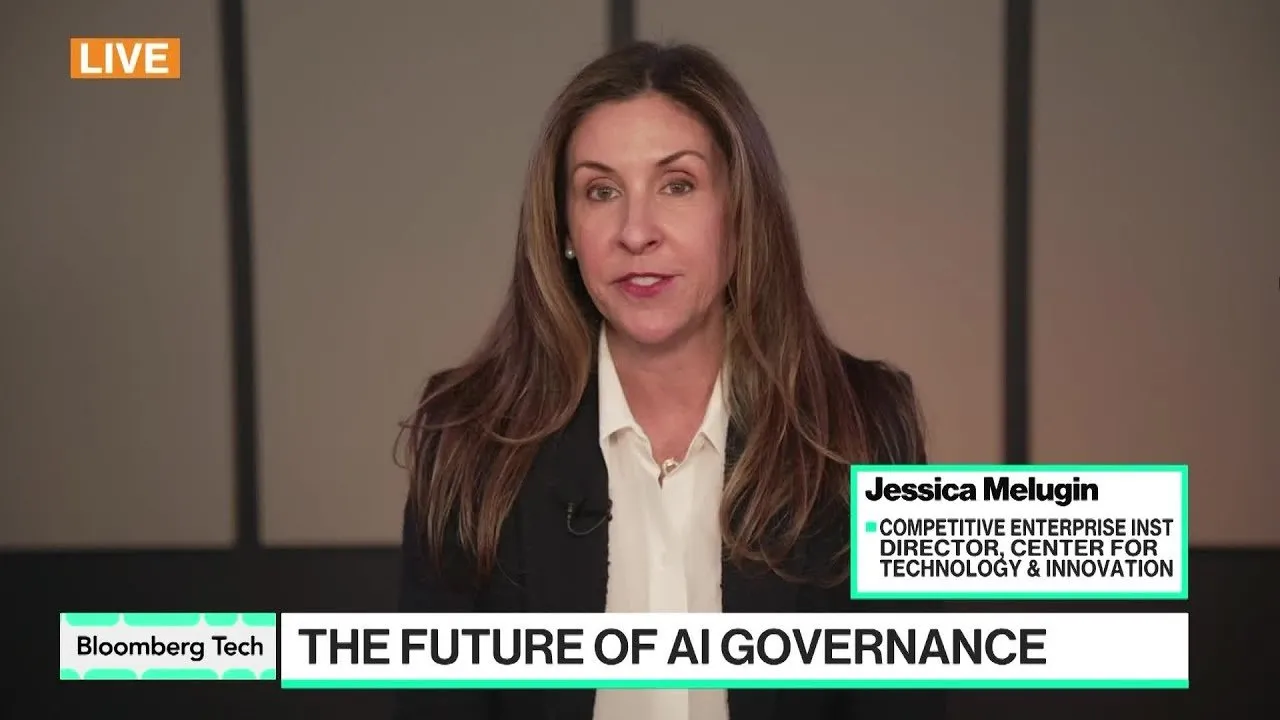
The United States stands at a pivotal moment for artificial intelligence governance, as industry experts warn that a lack of cohesive federal legislation is allowing a fragmented "patchwork" of state regulations to take hold. As Congress faces pressure to supersede over 1,000 state-level bills introduced in the last year, policy analysts argue that the failure to establish a unified national framework risks stifling domestic innovation and ceding ground to China in the race for global technological dominance.
Key Points
- Regulatory Fragmentation: Innovation is currently threatened by over 1,000 state-level AI regulations, creating a contradictory compliance landscape for US businesses.
- The "California Effect": Without federal preemption, strict regulations from states like California and New York threaten to become the de facto national standard.
- Global Competitiveness: Experts warn that adopting an EU-style regulatory regime could handicap the US in its ongoing technological rivalry with China.
- Constitutional Hurdles: While nations like Australia implement strict social media bans, US adoption of similar policies faces significant First Amendment challenges.
The Peril of a Regulatory Patchwork
The primary concern for US technology firms is the emergence of contradictory state regulations in the absence of federal action. While Executive Orders aimed at AI oversight attempt to bridge the gap, they largely serve to apply political pressure on Congress rather than solve the underlying compliance crisis. According to industry analysis, the sheer volume of state legislation—with more than 1,000 bills introduced or considered in the past year alone—poses an existential threat to smaller market entrants.
While major technology conglomerates often possess the capital to navigate complex legal environments, startups face a steeper climb. Analysts point out that if Congress remains inactive, the most stringent state regimes will dictate the national market. Companies unable to tailor products to 50 different standards will default to complying with the strictest rules, likely those emerging from California or New York.
"The default situation, if Congress does nothing, is that you're going to have the most strict regulatory regime... become the default setting for the entire country. To ask us entrepreneurs to operate in that environment is very unrealistic."
This dynamic places the onus on the Commerce Clause of the Constitution, which empowers Congress to regulate interstate commerce to prevent internal trade barriers. The Senate Commerce Committee, including members like Ted Cruz and Marsha Blackburn, is currently exploring legislative packages to address this, attempting to find a bipartisan consensus that supersedes local mandates.
Geopolitical Implications and the China Race
Beyond domestic compliance costs, the debate over AI regulation is increasingly viewed through the lens of national security and global competition. The prevailing industry view is that the US is engaged in a zero-sum race with China for AI dominance. Proponents of light-touch regulation argue that the United States must avoid the pitfalls of the European Union, which has implemented a comprehensive regulatory regime that many critics believe hampers its IT sector.
The strategic objective is ensuring that future global infrastructure operates on American artificial intelligence rather than Chinese alternatives. This perspective suggests that aggressive domestic restrictions act as "tying an arm behind your back" during a critical period of technological expansion.
"This really isn't a domestic question so much as we are, in fact, in a race with China for global dominance... tying an arm behind your back with a bunch of state regulations for the US is not a great plan for winning."
This outlook extends to hardware, validating continued focus on chip export restrictions. However, experts emphasize that economic health and consumer benefits at home are inextricably linked to the US maintaining its status as the unrestricted global leader in AI development.
Social Media: The divergence from International Norms
The conversation regarding digital regulation also encompasses social media and mental health, particularly in light of Australia’s recent move to ban social media access for users under 16. While international observers are closely watching the Australian experiment, experts contend that similar legislation faces a steep uphill battle in the United States.
Two primary factors differentiate the US landscape from Australia:
- Constitutional Rights: The First Amendment provides robust protections for speech, extending rights to both corporate entities and, to a degree, minors. This creates immediate legal challenges for blanket bans.
- Economic Protectionism: The major social media platforms targeted by such laws are predominantly American companies. The US political system is historically more cautious about imposing heavy fines and regulations on domestic "wealth creators" compared to foreign governments.
Early reports from Australia suggest that technical circumvention, such as the use of VPNs by teenagers, is already undermining the effectiveness of the ban. Consequently, US lawmakers are likely to observe these international developments cautiously rather than rushing to emulate them.
As 2026 approaches, the focus shifts to whether the Senate Commerce Committee can move beyond hearings and finalize legislation that balances safety with the imperative to maintain American technological supremacy.