Table of Contents
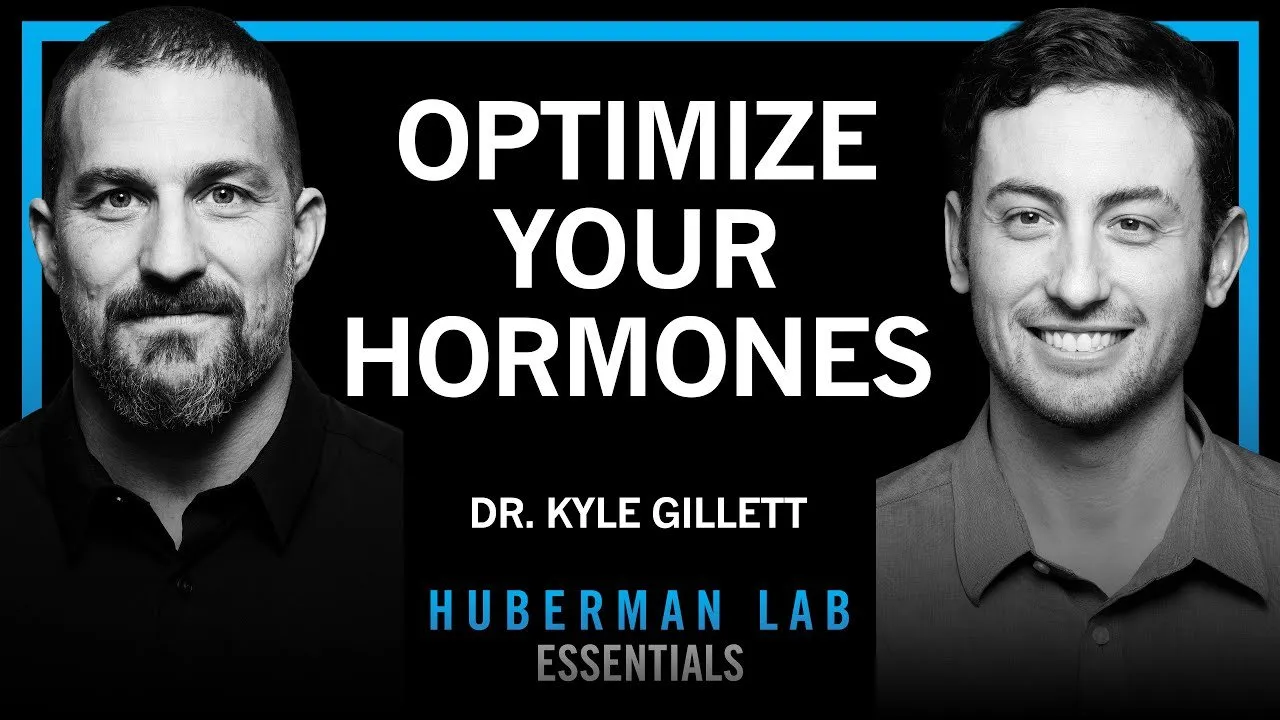
When it comes to optimizing hormones for health and vitality, most people focus on complex supplements or treatments while overlooking the fundamental lifestyle factors that have the most profound impact. Dr. Kyle Gillett, a hormone optimization specialist, reveals that sustainable hormone health isn't about finding the perfect pill or treatment—it's about mastering six key pillars that work synergistically to support your body's natural hormone production throughout your lifetime.
Key Takeaways
- The most powerful interventions for hormone health are diet and resistance training, not supplements or medications
- Small, consistent lifestyle changes over time are far more effective than intense short-term efforts
- Both men and women need testosterone optimization, though women's levels are often underestimated and undertested
- Getting regular blood work every 3-6 months is essential for tracking hormone health and making informed decisions
- The six pillars of hormone optimization include diet, exercise, stress management, sleep, sunlight exposure, and spiritual health
The Six Pillars of Hormone Optimization
Diet and Exercise: The Foundation
According to Dr. Gillett, diet and exercise form the two strongest pillars of hormone health. However, the approach should be highly individualized, much like choosing the right fuel for different types of vehicles.
Think of your body like a car—each car is made different and requires a different sort of fuel. Whether it's a race car or a diesel truck, they have different fuels for different performance outcomes.
For exercise, Dr. Gillett recommends that almost everyone should aim for 150 to 180 minutes minimum of zone 2 cardio per week, along with regular resistance training. Resistance training is particularly beneficial for hormone production and optimization.
Caloric Restriction: Context Matters
The effects of caloric restriction on hormones depend entirely on your current health status. For individuals with metabolic syndrome or obesity, caloric restriction will improve testosterone levels. However, for young, healthy, lean individuals, caloric restriction can actually decrease testosterone production.
Intermittent fasting presents a more nuanced picture. While it may not significantly impact testosterone when total caloric intake remains adequate, it can boost growth hormone production, particularly the overnight spike that occurs during sleep.
Stress, Sleep, Sunlight, and Spirit
Dr. Gillett uses alliteration to remember the final four pillars: stress optimization, sleep, sunlight, and spirit. Stress management impacts cortisol levels and overall mental health, while quality sleep is crucial for mitochondrial health and hormone production.
Sunlight exposure encompasses all outdoor activities, including movement, cold exposure, and heat exposure. The final pillar, spirit, addresses the often-overlooked connection between spiritual health and physical wellbeing.
Understanding Testosterone Across Genders
Testosterone in Women
One of the most misunderstood aspects of hormone health is the role of testosterone in women. Dr. Gillett reveals that almost all women actually have significantly more testosterone than estradiol, though this is often obscured by different measurement units used in lab tests.
For health optimization, testosterone is just as important to know in women. For pathology prevention, like breast cancer or osteoporosis, estrogen and progesterone are more important to know.
The DHT Connection
Dihydrotestosterone (DHT) is a very androgenic hormone that helps with motivation and overall wellbeing. Interestingly, many common dietary supplements and foods can affect DHT levels. Plant polyphenols, including turmeric and black pepper extract, can inhibit the enzyme that converts testosterone to DHT.
For those experiencing hair loss, Dr. Gillett recommends localized treatments like dutasteride mesotherapy, which involves targeted injections that decrease testosterone to DHT conversion only in the scalp, avoiding systemic effects.
Common Hormonal Conditions and Concerns
PCOS in Women
Polycystic Ovarian Syndrome (PCOS) is significantly underdiagnosed, with prevalence estimates ranging from 10% to 20% of women. Most women discover they have PCOS in their thirties, often when experiencing fertility issues.
The Rotterdam criteria for PCOS diagnosis includes androgen excess (such as hormonal acne or unwanted hair growth), insulin resistance, and potentially polycystic ovaries. Treatment often focuses on addressing insulin resistance through lifestyle modifications, with medications like Metformin or myoinositol supplements as additional tools.
Sleep Disturbances and Hormones
Hormone imbalances can significantly impact sleep quality. Dr. Gillett identifies three major hormonal causes of sleep disruption:
- Growth hormone deficiency, which directly correlates with poor sleep quality
- Vasomotor symptoms of menopause or andropause, caused by declining hormone levels
- Sleep apnea triggered by testosterone replacement therapy, particularly in the first few months of treatment
Lifestyle Factors and Hormone Health
Substance Use Effects
Both marijuana and alcohol can negatively impact testosterone levels, but through different mechanisms. Smoked marijuana increases aromatase activity, converting testosterone to estrogen and subsequently reducing overall testosterone levels. Alcohol and other potent GABA agonists directly decrease testosterone production.
Social Relationships and Hormones
Dr. Gillett explains that there's significant hormonal crosstalk between partners, including prolactin and dopamine interactions. This is why couples who spend all their time together may experience decreased excitement and attraction over time.
Just like women who spend a lot of time together often have their menstrual cycles align, there is a lot of pheromonal and hormonal crosstalk between men and women, including prolactin.
The Importance of Regular Testing
Dr. Gillett recommends getting blood work every 3-6 months for preventative purposes, including both fasting and non-fasting tests. This regular monitoring allows for early detection of hormonal imbalances and helps guide lifestyle and treatment decisions.
Advanced Considerations: Peptides and Supplementation
Peptide Safety and Sourcing
While peptides like BPC-157 and growth hormone releasing peptides are gaining popularity, Dr. Gillett emphasizes that they should only be obtained through licensed physicians and reputable compounding pharmacies. Non-prescription sources often contain dangerous contaminants like lipopolysaccharides (LPS), which can cause inflammation and other adverse effects.
Growth Hormone Optimization
Rather than jumping to growth hormone supplementation, Dr. Gillett suggests focusing on natural optimization through proper sleep, intermittent fasting, and exercise. The risks of growth hormone therapy, including increased cancer risk, often outweigh the benefits for most healthy individuals.
Conclusion
Optimizing hormones for health and vitality doesn't require complex protocols or expensive treatments. The most effective approach focuses on mastering the six fundamental pillars: diet, exercise, stress management, sleep, sunlight exposure, and spiritual health. By applying the law of diminishing returns and making small, consistent improvements over time, you can achieve significant improvements in hormone function and overall wellbeing. Remember that regular testing, working with qualified healthcare providers, and taking an individualized approach are essential components of any successful hormone optimization strategy.