Table of Contents
The smartphone industry is undergoing a significant period of consolidation and economic adjustment, highlighted by reports of major brands exiting the market and looming price increases for consumers. Despite a modest 2.3% growth in the worldwide smartphone market during the fourth quarter of 2025—led by strong performances from Apple’s iPhone 17 and Samsung’s foldable lineup—the Android ecosystem faces uncertainty with the confirmed departure of Asus from the mobile space and conflicting reports regarding the future of OnePlus.
Key Points
- Asus Market Exit: The company has confirmed it will not release new smartphones in 2026, signaling a likely permanent departure from the mobile sector.
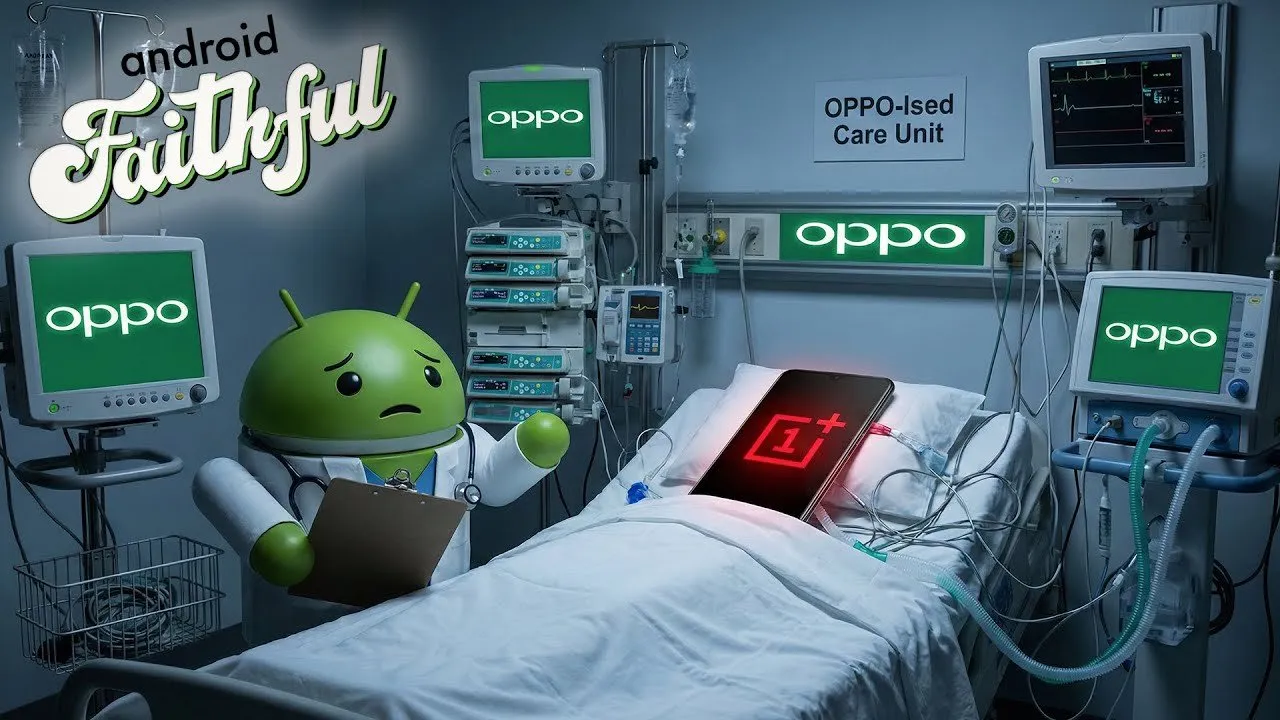
- OnePlus Uncertainty: Industry analysts suggest it is "plausible" Oppo is winding down the OnePlus brand due to declining market share and reduced marketing spend.
- Rising Costs: Consumers should expect a 20-30% price increase on budget phones and a 6-12% hike on flagships due to AI chip and RAM shortages.
- Hardware Durability: Early adopters of the Samsung Galaxy Z Trifold are reporting display failures, with repair costs approaching $900.
- Software Updates: Google is rolling out "Personal Intelligence" for Gemini, integrating user data from Workspace apps directly into the AI assistant.
Market Consolidation: Asus Departs, OnePlus stumbles
The landscape of Android manufacturers is shrinking. Following rumors circulated in early January, Asus has confirmed that it will not release any new smartphone models in 2026. The company’s chairman, Johnny Shih, indicated that the division is likely being phased out entirely, with future resources shifting toward AI projects, robotics, and smart glasses.
While Asus assures current users that software updates and warranty support will continue, the announcement marks the end of the road for the ROG Phone line, which had dominated the niche gaming smartphone category.
Simultaneously, the enthusiast-favorite brand OnePlus is facing scrutiny regarding its long-term viability. Following a lackluster reception to the OnePlus 15 and reports alleging that parent company Oppo intends to shutter the brand, industry analysts are expressing concern.
"I certainly haven't heard anything along those lines from the grapevine. However, given OnePlus's trajectory in the past few years, it would be plausible that OPPO is planning on winding down the brand. OnePlus share has been declining... and it certainly has pivoted away from being the challenger brand that it set out to be."
While Android Central has reported that the brand is not closing immediately, the reduction in marketing spend and the absence of a new foldable strategy suggest a potential restructuring or scaling back of OnePlus’s presence in North America.
Economic Headwinds: The Era of Expensive Hardware
Beyond brand exits, consumers face a challenging economic environment for hardware upgrades in 2026. Data indicates that smartphone pricing is set to rise significantly, driven not by general inflation, but by specific component shortages in the semiconductor supply chain.
The "AI boom" has created a scarcity of high-performance chips and DRAM, causing a ripple effect on bill-of-materials costs. Projections indicate that budget smartphones could see price hikes of 20% to 30%, while flagship devices are expected to see MSRP increases between 6.9% and 12%.
These increases are attributed to a surge in demand for AI-capable chipsets and a 500% increase in high-end RAM kit costs, suggesting that the sub-$300 smartphone market may effectively disappear in the coming year.
Hardware Innovation and Quality Control
Samsung’s push into multi-foldable devices has hit an early snag. The newly released Galaxy Z Trifold is facing scrutiny after early reports of spontaneous display failure. One owner reported a broken line of pixels and a dead panel segment after only one month of use.
Compounding the issue is the lack of insurance options for the experimental device. While Samsung offers a one-time 50% discount on display repairs, the out-of-pocket cost for a screen replacement remains approximately 1.3 million won ($900 USD).
In contrast, Chinese manufacturers are aggressively pushing hardware specifications:
- Realme: The company is launching the P4 Power in India, featuring a massive 10,001 mAh battery, 6.78-inch AMOLED display, and a promise of three years of OS updates.
- Honor: The new Magic 8 Pro Air has drawn comparisons to Apple’s hardware design, while the Magic 8 RSR Porsche Design introduces a detachable lens system for photography enthusiasts.
Software Ecosystem: Gemini and Nova Launcher
Google continues to integrate its Gemini AI deeper into the Android experience. The rollout of "Personal Intelligence" allows the AI to access data from Photos, YouTube, and Gmail to provide context-aware responses. To address latency concerns, Google has also introduced an "Answer Now" button, allowing users to bypass deep-thinking models for faster, standard search results.
In the app ecosystem, the popular third-party interface Nova Launcher has been acquired by the Swedish company Instabbridge. The new ownership has confirmed that while the app will be modernized, monetization strategies will change, including the introduction of advertisements in the free version of the launcher.
As the industry moves toward Mobile World Congress, the focus will likely remain on how manufacturers balance the rising costs of AI implementation with the need to maintain consumer demand in a consolidating market.