Table of Contents
Despite recent speculative reports suggesting that smartphone manufacturer OnePlus is facing imminent dismantling, the company remains a functional entity in the competitive mobile landscape of 2026. While the brand has fundamentally shifted from its origins as a disruptive "flagship killer," its trajectory serves as a rare case study in how niche hardware companies can survive the perilous pivot from enthusiast appeal to mass-market sustainability.
Key Points
- Survival Strategy: Unlike failed competitors such as Essential and Nextbit, OnePlus successfully navigated the transition from a niche enthusiast brand to a mainstream manufacturer.
- Market Pivot: To scale, the company deliberately abandoned its "flagship killer" pricing and feature set to adopt industry standards like IP ratings, carrier partnerships, and premium pricing.
- The "Betrayal" Necessity: Analysis suggests that alienating the vocal, fickle enthusiast community was a necessary step to capture the broader, more profitable general consumer market.
- Homogenization: The brand’s integration with parent company Oppo and the dilution of its unique identity were the trade-offs required for long-term corporate solvency.
The Enthusiast Trap
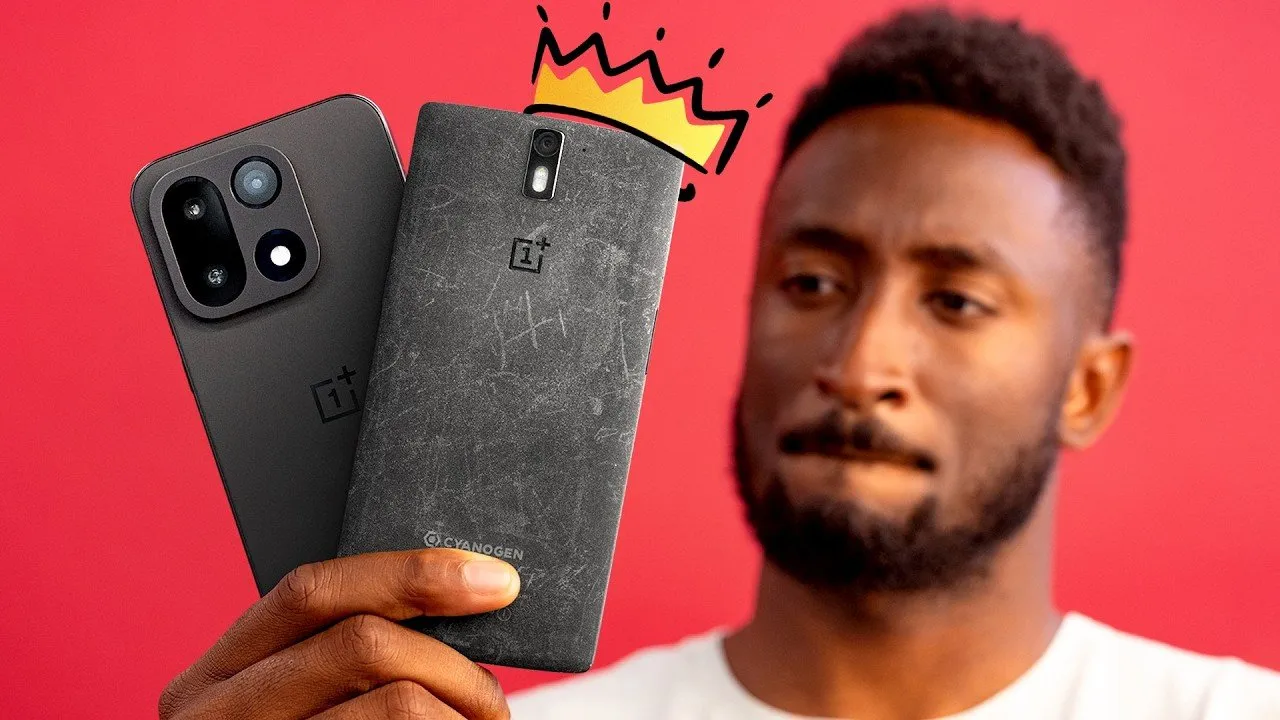
To understand the current state of OnePlus, one must examine the market duopoly of 2014. At the time, the United States smartphone market was dominated almost exclusively by Samsung and Apple, with legacy brands like LG and HTC fighting for diminishing market share. Into this environment, the OnePlus 1 was launched, offering top-tier Snapdragon 800 series specifications for roughly $300—half the price of contemporary flagships.
The device created a fervor among technology enthusiasts, driven by an exclusivity-based invite system and the promise of a developer-friendly, bloatware-free experience via CyanogenMod. However, this initial success created a paradoxical business dilemma: the company had captured the hearts of the most difficult demographic to monetize.
"You have won over the enthusiasts... but they are still the absolute worst group to be your prime customer base. They are the smallest group and they are the most fickle. They have the highest standards and they are the least loyal."
While the company sold over one million units of its debut device, the business model was unsustainable. Enthusiasts demand premium specifications at razor-thin margins and are quick to defect to competitors offering slightly better hardware. To survive, OnePlus needed to reach the general public—a demographic that values reliability, carrier availability, and recognized features over raw technical customization.
From 'Flagship Killer' to Mainstream
The "Peak OnePlus" era, generally regarded by critics as spanning the OnePlus 5 through the OnePlus 7T Pro, showcased the brand's ability to iterate rapidly with high-refresh-rate screens and optimized OxygenOS software. Yet, to break the duopoly, the company began a slow, deliberate pivot away from its core audience.
This transition involved a series of strategic calculations designed to broaden appeal while increasing average selling prices (ASPs):
- Hardware Homogenization: Shifting to glass sandwich designs and abandoning unique form factors to align with industry trends.
- Feature Standardization: Adding official IP water resistance ratings and wireless charging, features previously omitted to cut costs.
- Price Increases: Gradual hikes leading to $900+ flagship devices, effectively ending the "flagship killer" value proposition.
- Carrier Expansion: Establishing retail partnerships in the US to reach consumers who purchase phones in-store rather than online.
This strategy stands in stark contrast to competitors like Asus, whose enthusiast-focused ROG Phone and Zenfone lines failed to achieve mass adoption. Asus attempted both slow transitions and abrupt pivots, such as the discontinuation of the compact Zenfone in favor of the larger Zenfone 11 Ultra, largely without success. OnePlus, conversely, managed to build a new mainstream audience faster than it lost its original fanbase.
The Cost of Survival
By the release of the OnePlus 10 Pro, the brand had effectively merged its identity with its sister company, Oppo. The software experience, once a distinct selling point, morphed to resemble Oppo’s ColorOS. The introduction of the budget-friendly Nord series further diluted the brand's premium exclusivity but provided necessary volume for carrier relationships.
Today, with the OnePlus 15, the company produces competent, reliable smartphones that critics describe as "generic." While the camera systems and designs no longer disrupt the industry, the devices offer the stability required for mass-market recommendation.
"The downfall of OnePlus will be studied because they are still alive... they've sort of accidentally become the blueprint for survival as an enthusiast brand. And betrayal is a part of that blueprint."
The "betrayal" of the core enthusiast base was not a failure of strategy, but a prerequisite for survival. The company is no longer the darling of tech forums, but unlike many of its peers from the mid-2010s, it remains solvent and operational.
Future Outlook
Looking ahead, the future of OnePlus appears stable yet uncertain regarding innovation. Reports indicate potential cancellations of experimental devices, such as a successor to their compact flagship or new foldable iterations. A OnePlus 16 is expected, signaling a business-as-usual approach focused on iterative updates rather than market disruption.
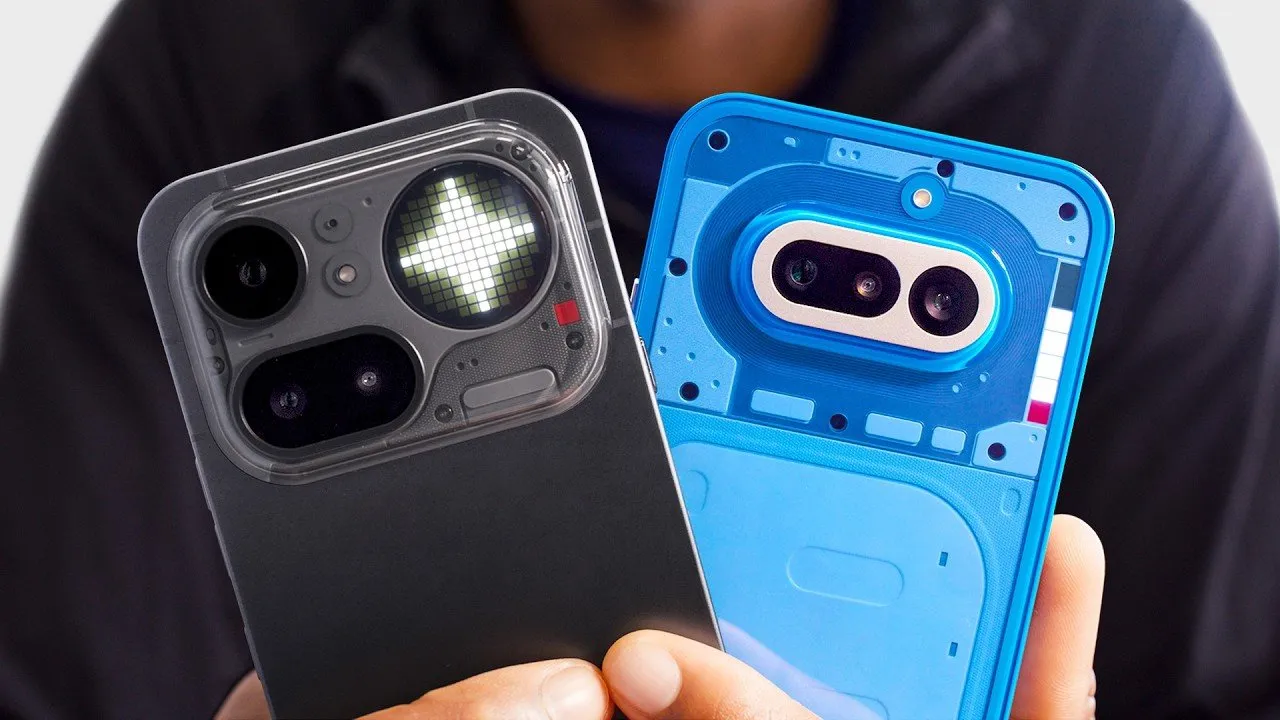
For emerging hardware startups, specifically those like Nothing led by OnePlus co-founder Carl Pei, the OnePlus trajectory serves as a critical historical blueprint. It demonstrates that starting as an enthusiast brand is a viable go-to-market strategy, but evolving into a legacy manufacturer requires a ruthless willingness to evolve beyond the niche that created the initial success.