Table of Contents
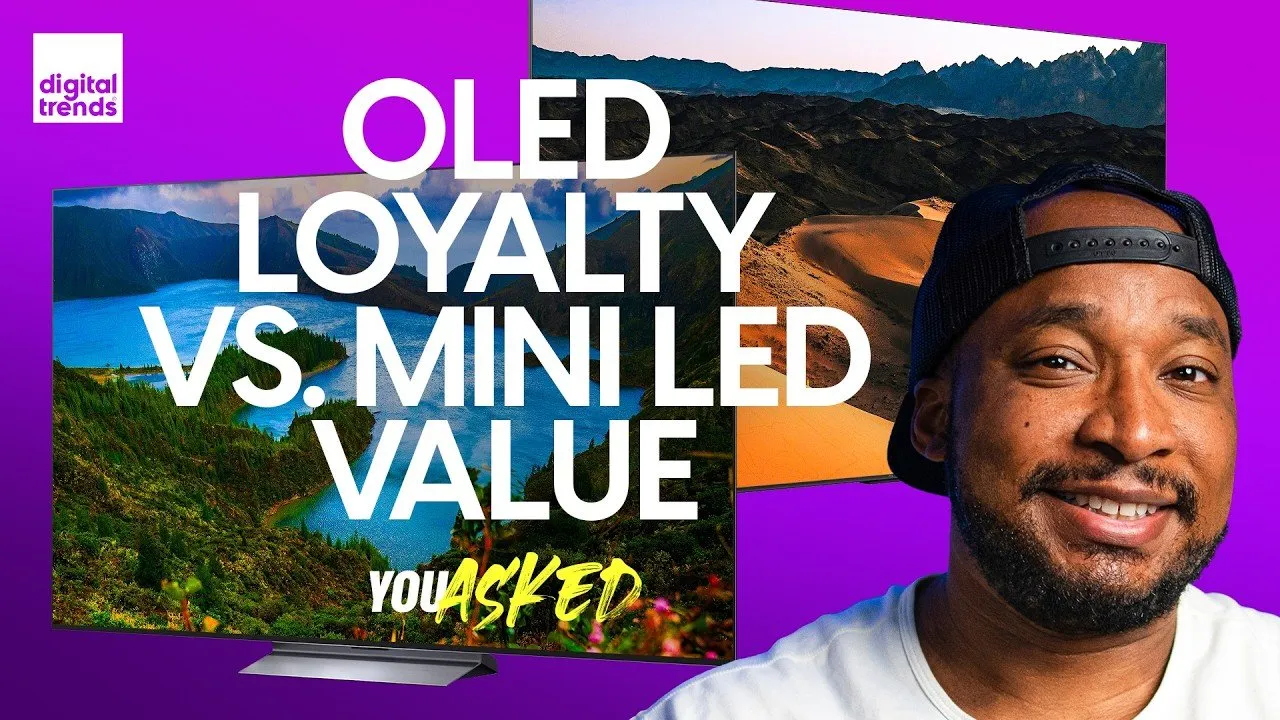
As the consumer electronics industry prepares for its annual showcase at CES, home theater enthusiasts face a perennial financial dilemma: does the visual fidelity of OLED justify the price premium over increasingly capable Mini-LED competitors? In a recent analysis of market options and viewer inquiries, Digital Trends addressed this debate, offering strategic advice for upgrading home entertainment systems while previewing the next generation of display technology expected to debut this week.
Key Points
- OLED Retention: For current OLED owners, switching to mid-range Mini-LED panels may result in a noticeable downgrade in contrast and black levels.
- Budget Allocation: For secondary viewing spaces, experts recommend prioritizing audio upgrades over marginal gains in display brightness.
- Connectivity: Certified HDMI 2.1 cables are recommended for eARC connections to future-proof against increasing bandwidth demands.
- CES Trends: Upcoming announcements are expected to focus on RGB backlight technology and the rollout of Dolby Vision 2.
The Display Dilemma: Brand Loyalty vs. Value
The gap between premium OLED displays and value-oriented Mini-LED televisions continues to narrow, yet specific use cases still dictate the superior choice. For consumers currently accustomed to the infinite contrast and "inky blacks" of OLED technology, transitioning to a budget-friendly Mini-LED model often results in a palpable dip in visual performance.
When analyzing a scenario involving a viewer debating between a 77-inch LG B5 OLED and a significantly cheaper TCL QM6K Mini-LED, the consensus favored retaining the OLED technology. While the TCL model offers immense value at roughly half the price, the visual disparity in a controlled lighting environment is significant for trained eyes.
"Going from OLED to Mini-LED, especially the QM6K... are you going to be bothered by the difference? You just might be. Even if [older OLEDs] are getting a little bit long in the tooth, they still have outstanding picture quality."
The analysis suggests the LG B5 serves as the optimal middle ground. It provides the requisite self-emissive picture quality and LG’s proprietary processing without the higher markup of the C-series flagship models.
Optimizing Secondary Setups and Audio
When outfitting secondary viewing rooms, such as a space dedicated to children or gaming, the return on investment shifts. For a dedicated Xbox Series X setup, Digital Trends advises against overspending on incremental brightness upgrades. Comparing the TCL QM7K against the more affordable QM6K, the report notes that unless the panels are viewed side-by-side at maximum brightness, the difference is negligible for casual viewing.
Instead of sinking funds into a slightly better panel, the recommendation is to divert those savings toward audio. Investing in an all-in-one soundbar can significantly enhance the gaming immersion, offering a tangible upgrade that outweighs a minor increase in nits. To support these audio setups, particularly for eARC (Enhanced Audio Return Channel) functionality, users are encouraged to utilize certified HDMI 2.1 cables. This ensures compatibility with current high-bandwidth formats and future-proofs the system for upcoming audio-video advancements.
CES Forecast: Beyond Brightness
Looking ahead to CES, the industry anticipates a shift away from standard brightness wars toward more sophisticated technological evolutions. While size increases remain standard, manufacturers are expected to unveil advancements in RGB backlight technology. Additionally, the industry is closely watching for developments regarding Dolby Vision 2, a new HDR format that recently named Hisense as a launch partner.
"It feels like the industry is just itching for what's next. What can definitively top the TVs that are considered the best out right now? I think that's what I'm looking forward to most."
Consumers looking to upgrade should monitor news coming out of CES closely. The introduction of these new technologies typically triggers price reductions for current high-end models, potentially making units like the LG B5 or C5 more accessible in the coming weeks.