Table of Contents
Global energy markets reacted sharply to news of a temporary diplomatic reprieve in the Middle East, as reports emerged that the United States and Iran have entered into productive talks to resolve escalating hostilities. Following a weekend of extreme volatility fueled by threats to strike critical energy infrastructure, crude oil prices retraced significantly, alleviating immediate fears of a systemic disruption to global energy supplies.
Key Points
- International Energy Agency (IEA) officials recently characterized the regional conflict as a severe energy disruption, potentially exceeding the combined impact of the 1970s energy crises.
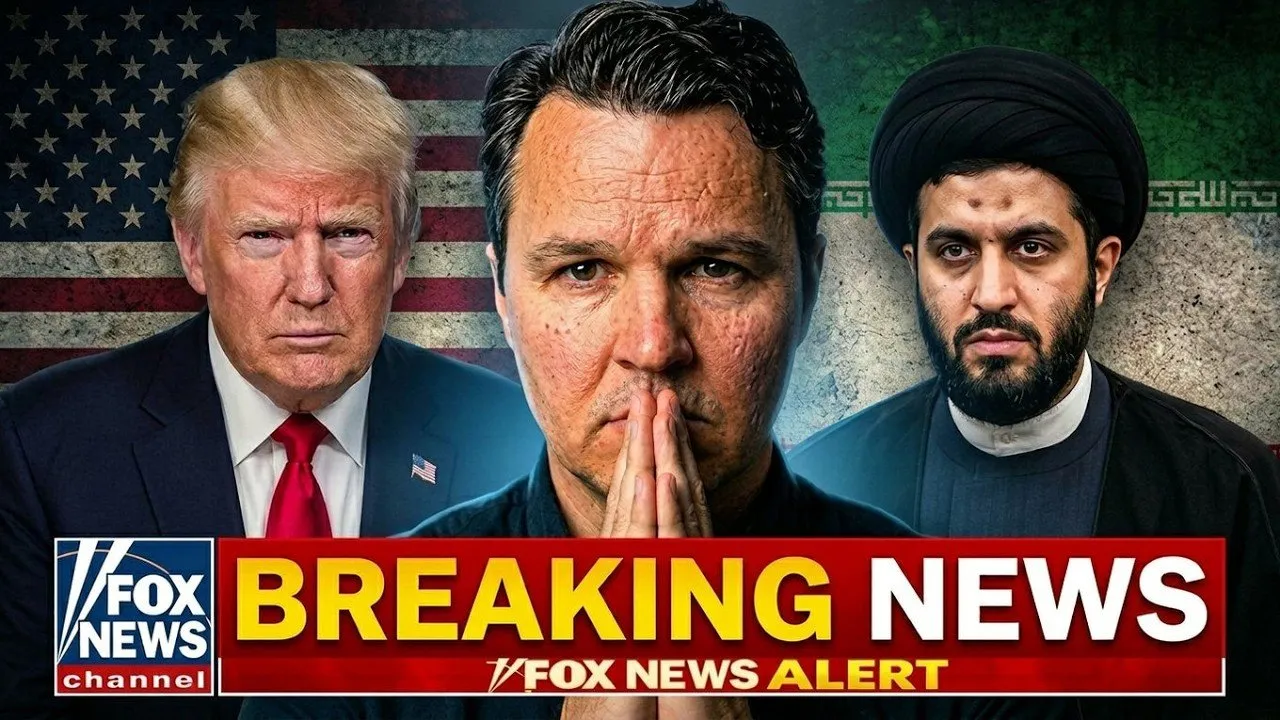
- President-elect Donald Trump announced a five-day suspension of planned military strikes against Iranian power plants and energy facilities to allow for continued diplomatic negotiations.
- Global benchmarks saw oil prices fluctuate by nearly $20 per barrel in response to the news, highlighting extreme market sensitivity to geopolitical developments.
- Despite the reprieve, analysts warn that long-term structural risks to the global economy remain, as sustained oil prices above $100 per barrel pose significant recessionary threats.
Geopolitical De-escalation and Market Response
The recent market volatility followed intense rhetoric between Washington and Tehran, which centered on the strategic Strait of Hormuz. Concerns over the potential closure or mining of the strait—a critical chokepoint for global oil and LNG (liquefied natural gas) shipments—sent commodities into a tailspin. Analysts had warned that a worst-case scenario involving attacks on refineries, desalination plants, and undersea data cables could trigger a global economic depression.
The market environment shifted abruptly following a statement from President-elect Trump, who signaled a pause in potential military actions. "I’ve instructed the Department of War to postpone any and all military strikes against Iranian power plants and energy infrastructure for a 5-day period," the statement noted, citing constructive conversations regarding a resolution to the hostilities.
The impact on financial instruments was immediate. S&P futures, which had been trading down earlier in the session, saw a rally, while crude oil prices retreated from the triple-digit peaks established during the weekend’s panic. However, market participants remain cautious, noting that the de-escalation is currently framed as a short-term tactical pause rather than a comprehensive peace settlement.
Implications for the Global Economy
While the United States maintains a degree of energy independence, the global implications of a sustained crisis remain profound. Several nations, including Slovenia and parts of Thailand and Australia, have already reported instances of fuel rationing or shortages. According to the IEA, the current situation represents the largest potential disruption to energy and commodity chains in modern history, affecting not just crude oil but also critical agricultural inputs like fertilizer.
The world cannot live on a $150 plus barrel of oil. This is serious... we are talking about real structural damage happening here to the global economy.
The consensus among financial observers is that the global economy cannot sustain energy costs at these elevated levels. A prolonged conflict in the Middle East would likely accelerate recessionary trends in energy-importing regions, further tightening monetary conditions and stifling growth in developing markets.
The Road Ahead
Financial markets will remain hyper-focused on the 48-to-120-hour window as the five-day deadline for the U.S. strike-postponement approaches. Unless a definitive ceasefire or a more permanent diplomatic framework emerges within the next two weeks, market volatility is expected to persist.
For investors, the immediate focus remains on technical support levels. Major indices and individual stocks remain tethered to the geopolitical narrative, with traders looking for signs of sustained stability before committing to long-term positions. As the situation evolves, market participants will be watching for official updates from both U.S. diplomatic channels and the IEA to determine whether the current de-escalation leads to a lasting resolution or remains a temporary volatility trap.