
Table of Contents
Recent volatility in the oil markets—driven by the closure of the Strait of Hormuz and broader geopolitical instability—has sparked fears of a 1970s-style inflationary surge. However, historical data suggests that the current oil price spike is unlikely to trigger long-term inflation. Instead, the current environment points toward an imminent period of demand destruction, which poses a significant short-term threat to risk assets, including Bitcoin.
Key Points
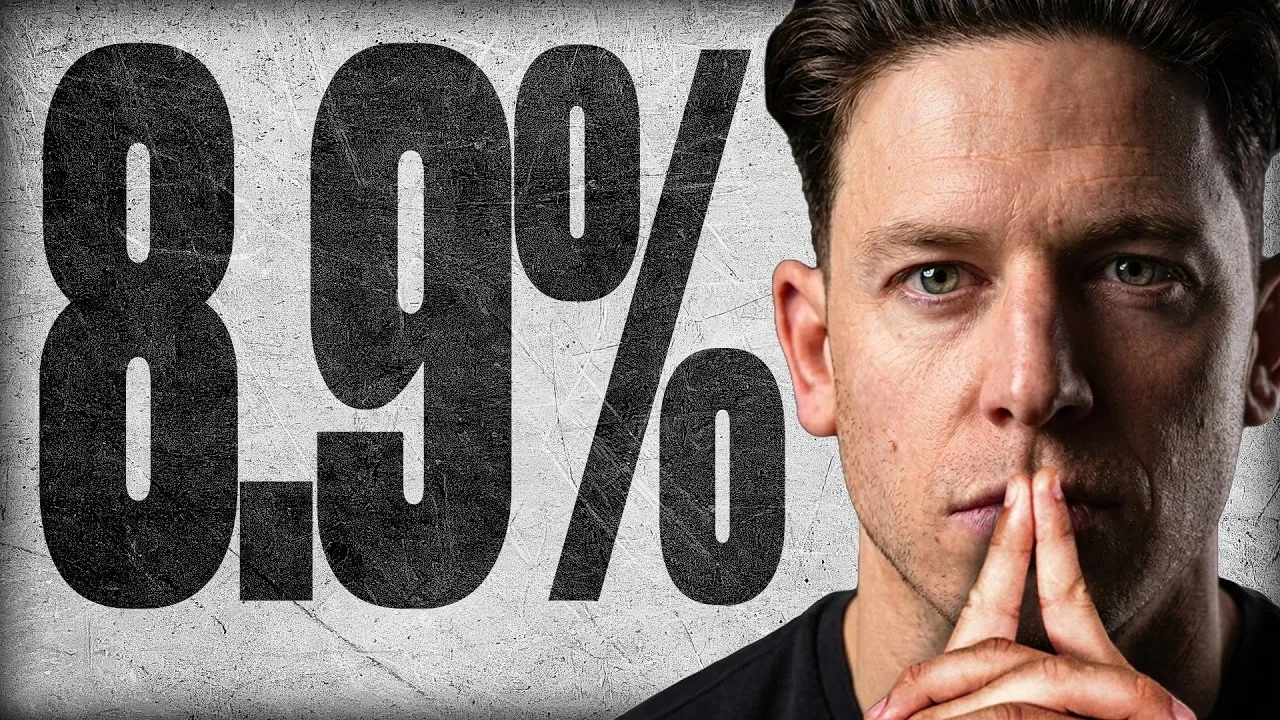
- Historical data spanning 65 years indicates that oil prices account for only about 8.9% of inflation fluctuations, making it a weak predictor of broader CPI trends.
- Unlike the 1970s, where inflation was fueled by a 154% increase in M2 money supply, current global liquidity is tightening, with M2 growth at roughly 3% over the last four years.
- The bond market, specifically Treasury Inflation Protected Securities (TIPS), is not pricing in a sustained inflationary breakout, suggesting institutional investors expect current pressures to remain contained.
- Cryptocurrency performance is historically tied to global liquidity rather than oil prices. With liquidity cycles currently in a contractionary phase, risk assets are likely to face sustained downward pressure.
The Misconception of 1970s Inflation
Market analysts frequently cite the 1970s to explain the current economic climate, noting that oil price shocks coincided with rampant inflation. However, this narrative overlooks the primary driver of that era: an aggressive expansion of the money supply. During that decade, banks engaged in heavy lending, allowing consumers to absorb higher costs through increased debt, keeping demand artificially high despite rising prices.
In contrast, the current economic backdrop is characterized by record-low consumer savings and a stagnant money supply. As households increasingly rely on retirement accounts to cover essential living costs, their ability to sustain demand in the face of rising energy and goods prices is significantly diminished. "This oil price isn't forcing this [inflation] up," the data suggests. "The smartest money in the world doesn't think there are inflationary pressures from this oil spike."
Demand Destruction and Economic Fallout
When energy costs rise in an environment without corresponding growth in the money supply, the result is typically demand destruction rather than sustained inflation. As corporations face higher shipping, production, and electricity costs, they are increasingly forced to freeze hiring or reduce their workforces to maintain margins. This cooling of the labor market is already evident in recent non-farm payroll data, which showed significant job losses.
"Every geopolitical oil spike without money printing has ended the same way: reduced demand. The cure for high prices is high prices, but the economic damage happens first."
Historically, oil spikes followed by economic weakness—such as in 2008 or 1990—eventually led to a sharp reversal in oil prices as the global economy tipped toward recession. The current market behavior, with retailers like Walmart and Costco outperforming growth-oriented stocks, signals that consumers are prioritizing essential spending over discretionary consumption, further dampening the economic outlook.
Implications for Bitcoin and Risk Assets
While the long-term thesis for Bitcoin as a hedge against currency debasement remains robust, its short-term price action remains highly sensitive to Global Liquidity cycles. Analysis from Michael Howell’s Global Liquidity Index reveals that liquidity patterns often dictate the performance of digital assets like Bitcoin, Ethereum, and Solana more reliably than commodity prices.
With global liquidity currently trending downward and expected to remain strained through the middle of next year, the near-term environment for speculative assets is challenging. Investors should expect continued volatility, with rallies likely to be met with selling pressure until broader liquidity conditions pivot toward expansion.
Looking ahead, the shift toward a more constrained credit environment reinforces the necessity of focusing on long-term capital preservation. While the short-term outlook for equities and crypto remains in a topping process, the eventual necessity of government and central bank intervention to address economic fragility will likely serve as the ultimate catalyst for the next phase of growth in hard assets and decentralized finance.

![URGENT: Most Investors Aren’t Ready! [Its Happening Right Now]](/content/images/size/w1304/format/webp/2026/03/oil-market-surge-investment-risk.jpg)


)