Table of Contents
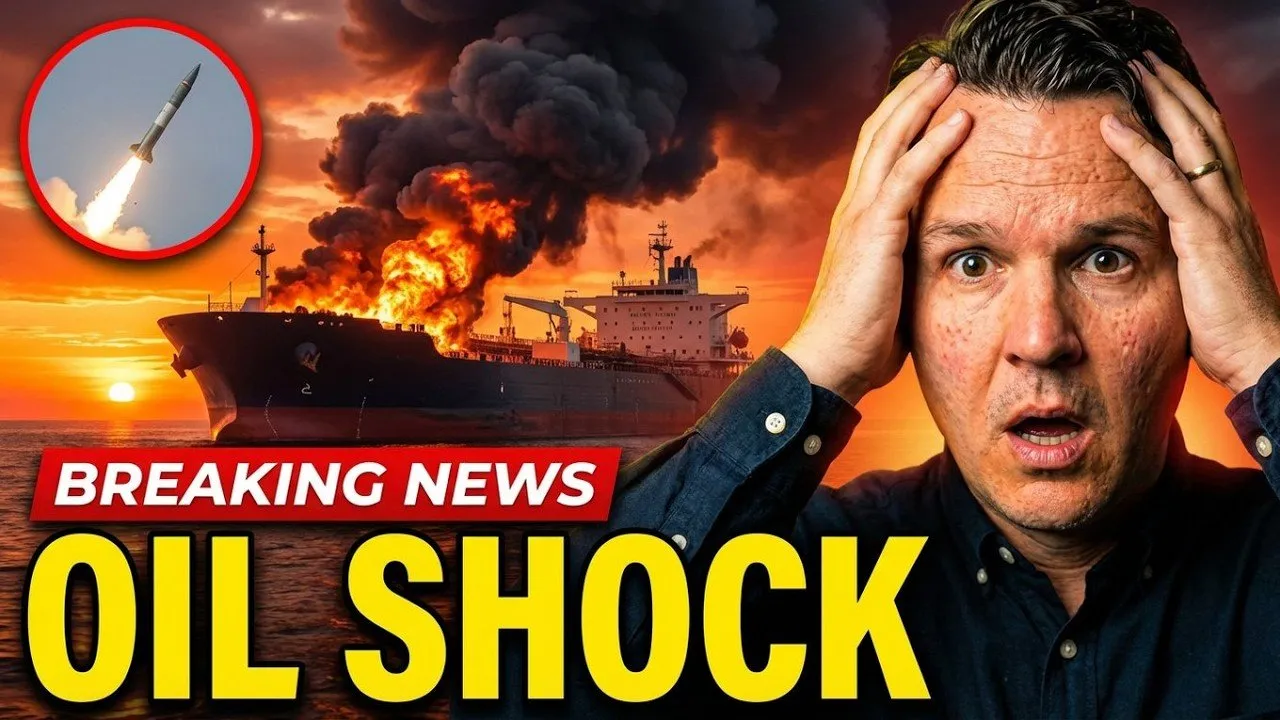
Global energy markets face a critical disruption as the closure of the Straits of Hormuz threatens to remove 20 million barrels of oil per day from the global supply chain. This sudden blockage—which accounts for approximately 20% of the world's daily oil consumption—has triggered extreme volatility, with crude oil prices fluctuating wildly as world powers scramble to mitigate the economic fallout.
Key Points
- The Straits of Hormuz closure is impacting 20 million barrels of oil per day, a volume significantly larger than previous historical conflicts.
- G7 nations are weighing a coordinated release of 400 million to 1.2 billion barrels from strategic reserves to fill the supply gap, though analysts estimate this could cover demand for only 20 to 60 days.
- The U.S. has initiated a $20 billion reinsurance program for commercial vessels and is deploying naval escorts, including the USS Gerald R. Ford, to maintain the flow of energy.
- Financial markets are showing signs of strain, with the S&P 500 experiencing downward pressure and uncertainty mounting over the impact on global inflation and equity valuations.
The Scale of the Energy Crisis
The current situation in the Straits of Hormuz represents a logistical catastrophe for the global economy. While previous geopolitical conflicts, such as the 1980s Iran-Iraq War, disrupted flows of roughly 4 to 5 million barrels per day, the current crisis involves four times that volume. Market analysts warn that without a swift resolution, the price of crude could experience sustained upward pressure.
"Crude oil will go to $200 a barrel and route higher unless traffic through the straits of Hormuz resumes," noted market observers tracking the logistical impasse.
The G7 plan to tap into strategic petroleum reserves is viewed by experts as a short-term stopgap. At a loss of 20 million barrels per day, even a massive 400 million-barrel release would only sustain the market for roughly three weeks, underscoring the urgency of the U.S.-led diplomatic and military efforts to secure shipping lanes.
Military Intervention and Market Volatility
To prevent a complete halt in energy exports, the Trump administration announced a $20 billion reinsurance program aimed at incentivizing tanker operators to continue traversing the region. This government-backed backstop is designed to offset the withdrawal of private insurers, such as Lloyd’s of London, who have largely exited the war-risk market in the area.
Military protection remains a central component of the strategy. The deployment of the USS Gerald R. Ford and the implementation of daily escorted convoys signal a high-stakes effort to force the straits open. However, this strategy is not without risks; experts warn that concentrating tankers and military assets in such narrow waters creates "juicy targets" for regional actors, potentially escalating the conflict further.
Broader Financial Implications
The uncertainty has rippled through broader asset classes, including Bitcoin and equity markets. Investors are currently weighing the "carry-over effect"—the reality that prolonged energy supply chain failures inevitably drive up transportation, production, and food costs, ultimately fueling a resurgence in global inflation.
Equity markets remain on edge, with the S&P 500 recently dipping toward its 200-day moving average. For crypto assets, which have struggled with sideways price action since early February, the current environment presents a test of resilience. While some market participants anticipate a rebound following the VIX (Volatility Index) spike, others are bracing for potential 30-40% drawdowns if the geopolitical situation fails to de-escalate within the month.
Moving forward, eyes remain fixed on daily tanker transit numbers and the success of naval escort operations. Should these measures fail to stabilize the flow of oil, analysts warn that the global economy will move into uncharted territory, with severe implications for central bank policy and industrial output as reserves hit their 60-day expiration mark.