Table of Contents
Nvidia is preparing to disrupt the mobile computing market with the launch of its N1 and N1X ARM-based systems-on-a-chip (SoCs), scheduled for release in the first half of this year. Major hardware manufacturers including Dell and Lenovo have reportedly signed on to integrate these chips into upcoming laptop designs. The move signals a significant escalation in the competition between Nvidia, Qualcomm, and AMD for dominance in the high-end portable computing sector.
Key Points
- Nvidia is transitioning its enterprise-grade GB10 superchip architecture into consumer-focused N1X processors featuring up to 20 ARM cores and 6,144 CUDA cores.
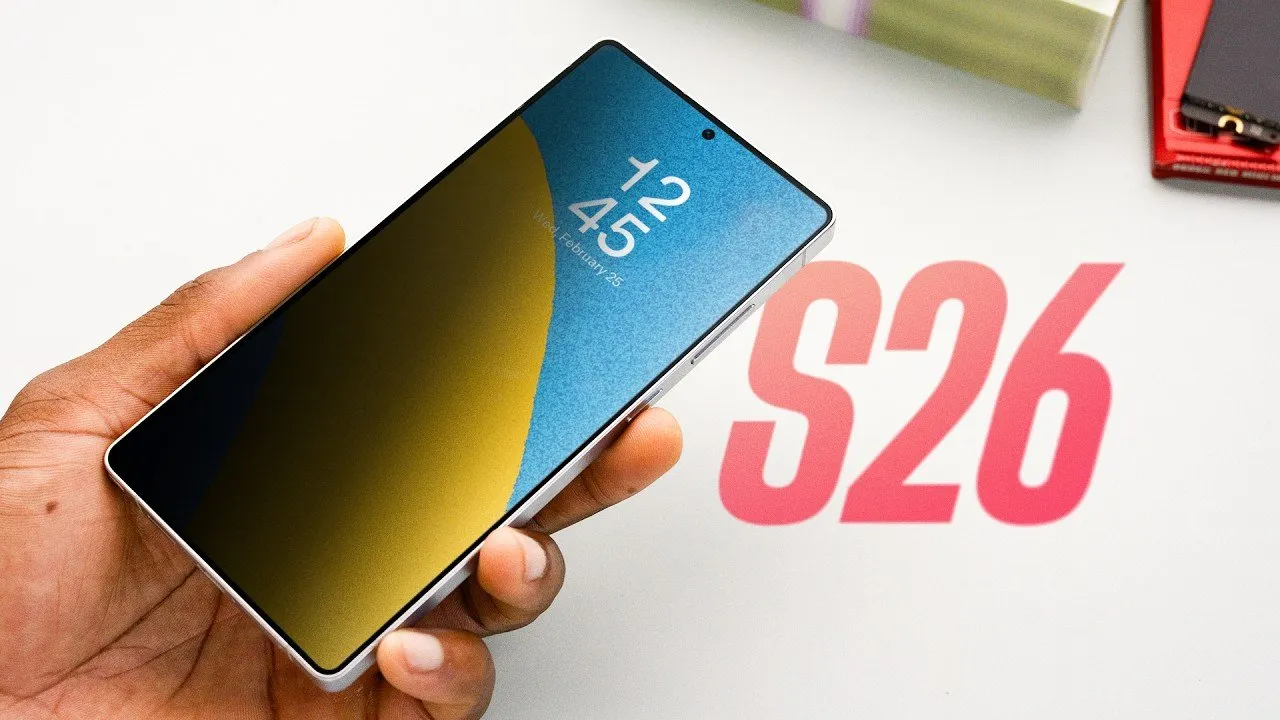
- Samsung debuted the Galaxy S26 series, introducing a hardware-based "privacy display" that uses pixel modulation to prevent off-angle viewing.
- The U.S. Department of Defense is currently in a standoff with Anthropic over the military's demand to use the Claude AI model for autonomous targeting and domestic surveillance.
- Panasonic has officially ceased internal television manufacturing, licensing its brand name to the Chinese manufacturer Skyworth.
Nvidia Bridges the Gap Between Enterprise and Consumer Silicon
According to insider reports, the upcoming N1X chip is a consumer-facing iteration of the GB10 superchip, which currently powers Nvidia’s DGX enterprise systems. The hardware is expected to feature a unified memory architecture and a massive 6,144 CUDA core integrated GPU. While ARM-based Windows laptops have historically struggled with gaming performance, Nvidia is actively recruiting software engineers to optimize x86-64 gaming on Linux/Arm 64 platforms, suggesting a long-term strategy to unify its gaming and AI hardware ecosystems.
A full reveal of the new silicon is anticipated during the Nvidia GTC keynote on March 16. The launch comes at a time when the laptop market is increasingly shifting toward ARM architecture for better efficiency and battery life, putting pressure on established players like Qualcomm and AMD to maintain their market share in the premium segment.
Samsung Unveils the Galaxy S26 and Advanced Privacy Hardware
At its recent Unpacked event, Samsung revealed the Galaxy S26 Ultra, which features what the company claims is the world's first mobile "privacy display." This technology utilizes a grid of narrow pixels and specialized optical layers to modulate light, making the screen appear opaque to anyone outside the primary user's direct line of sight. The device can also selectively black out specific areas of the screen, such as sensitive notifications, to enhance user security in public spaces.
While the S26 Ultra maintains its $1,300 price point, the base S26 and S26 Plus models have seen a $100 price increase, starting at $900 and $1,100, respectively. To justify the hike, Samsung has increased the base storage to 256GB. New AI features were also highlighted, including an updated Bixby assistant that can toggle system settings directly within the chat interface and an Audio Eraser capable of removing background noise from third-party applications like Instagram.
Geopolitical Friction and AI Ethics
The Pentagon has entered a public dispute with Anthropic regarding the ethical constraints of the Claude AI model. Defense Secretary Pete Hegseth reportedly delivered an ultimatum to Anthropic CEO Dario Amodei, demanding the removal of restrictions that prevent the AI from being used for domestic surveillance or autonomous targeting in physical attacks.
"If it is not right, do not do it. If it is not true, do not say it."
The government has threatened to designate Anthropic as a supply chain risk or invoke the Defense Production Act to force compliance. In response to Anthropic's resistance, the Pentagon is reportedly moving to integrate xAI’s Grok into classified networks. Simultaneously, Anthropic has modified its own safety pledge, acknowledging that the competitive landscape of the AI industry makes it difficult to guarantee safety before training new models.
Market Consolidation and Infrastructure Demands
In other industry shifts, Panasonic has joined Sony in outsourcing its television production. Once a leader in the plasma TV market with over 40% global share, Panasonic will now have its branded units manufactured and sold by Skyworth. This move allows the company to exit a low-margin hardware business while maintaining brand presence in Western markets.
As AI demand grows, tech giants are also facing domestic resistance while searching for land to build data centers. The Guardian reports that many U.S. farmers are rejecting million-dollar payouts from utility companies, despite threats of eminent domain. The conflict highlights the growing tension between the physical infrastructure requirements of the "AI revolution" and the land rights of local agricultural communities.
Looking ahead, the industry remains focused on the mid-March GTC event, where Nvidia is expected to provide definitive performance benchmarks for its ARM processors, potentially resetting expectations for the next generation of portable computing.