Table of Contents
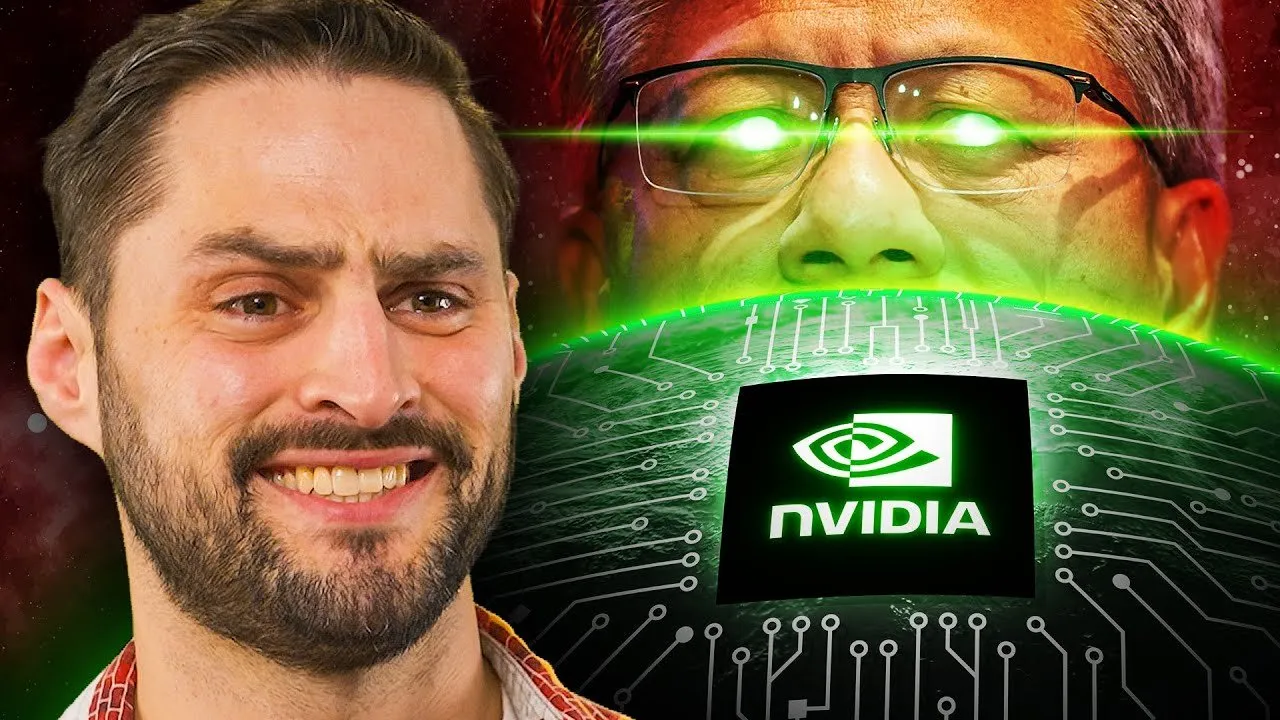
Nvidia CEO Jensen Huang opened CES 2026 with a commanding keynote that solidified the company’s pivot from a chip manufacturer to a comprehensive robotics and infrastructure architect. Amidst a Las Vegas showcase teeming with next-generation consumer electronics, the event’s first day highlighted a widening divide between rapid AI hardware advancements and the growing economic and regulatory challenges facing the sector. From Nvidia’s new "Reuben" supercomputing platform to widespread price hikes in the memory market, CES 2026 has immediately established the tone for the technology industry’s year ahead.
Key Points
- Nvidia Dominance: The new Reuben platform features the Vera CPU with 88 custom cores and a GPU boasting 336 billion transistors, promising a 10x reduction in inference costs.
- Robotics Integration: Major industrial players, including Boston Dynamics and Caterpillar, are now standardizing on Nvidia’s Cosmos AI models and silicon.
- Market Inflation: Samsung and ASUS confirmed unprecedented memory shortages are driving laptop and PC component prices up by 15-20%.
- Display Innovation: Samsung revealed a 4,500-nit QD-OLED panel, while LG introduced Tandem OLED technology to its consumer lineup for increased brightness and longevity.
- Regulatory Pressure: XAI faces multi-national investigations from France, Malaysia, and India regarding content safety protocols.
Nvidia Unveils the Reuben Platform and Robotics Roadmap
Nvidia has moved beyond merely supplying graphics processing units, positioning itself as the foundational layer for the global economy’s automation. CEO Jensen Huang revealed the Reuben platform, a next-generation AI supercomputer integrating six specialized chips. The architecture is anchored by the Vera CPU, which utilizes 88 custom cores, and the Reuben GPU, a powerhouse containing 336 billion transistors.
According to the company, this new architecture delivers five times the performance of the previous Blackwell generation and reduces AI inference costs by a factor of ten. This efficiency jump is critical for the widespread adoption of autonomous systems.
Beyond raw compute, Nvidia introduced Alpameo, a reasoning AI model designed specifically for autonomous vehicles. Demonstrations showed the system navigating complex urban environments in San Francisco, making real-time strategic decisions rather than simple reactive maneuvers. Nvidia announced it is open-sourcing this technology, a move likely intended to accelerate industry standardization around its ecosystem.
"Nvidia's entire business model is now: we sell the shovels in every gold rush simultaneously. Autonomous cars, humanoid robots, AI data centers—it is Nvidia chips all the way down."
The practical application of these chips was on display as autonomous "BDX" droids and robots from partners like LG and Caterpillar demonstrated capabilities powered by Nvidia’s Cosmos AI models. The strategy is clear: Nvidia intends to own the hardware, software, and simulation tools that power the robotics revolution.
Hardware Evolution: Displays and Mobile Devices
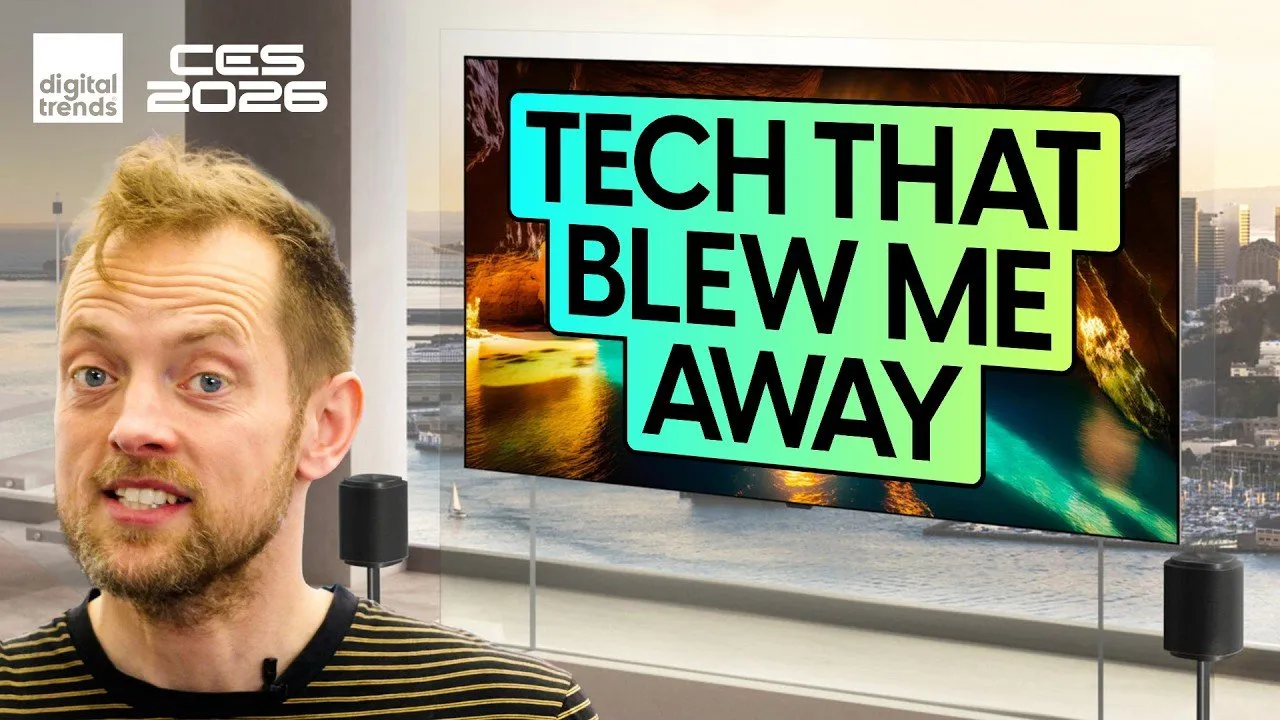
While AI dominated the enterprise conversation, consumer hardware giants focused on display technology and form factor experimentation. Samsung unveiled a massive 130-inch MicroLED TV and a new 77-inch QD-OLED panel capable of reaching 4,500 nits of peak brightness, which the company claims is the world's brightest self-emissive display. Samsung is also integrating AI into audio processing, with features like "AI Sound Controller Pro" that dynamically adjust background noise levels.
Competitor LG previewed its 2026 OLED lineup, notably bringing "Tandem OLED" technology to the consumer market with the C6 and G6 series. Previously reserved for automotive and commercial displays, Tandem OLED stacks organic layers to increase brightness by approximately 20% while significantly extending panel lifespan. LG also showcased the OLED Evo W6, a wireless, 9mm-thin "wallpaper" TV.
In the mobile sector, manufacturers are experimenting with mechanical integration. Honor debuted a smartphone concept featuring a pop-out robotic arm with a three-axis gimbal for autonomous tracking, part of its $1.5 billion investment in AI devices. Conversely, Clicks introduced "The Communicator," a specialized $499 Android device featuring a physical QWERTY keyboard and minimalist interface, targeting enterprise users seeking focus over multimedia features.
Supply Chain Constraints and Rising Costs
A critical financial narrative emerging from CES 2026 is the sharp rise in component costs, particularly for RAM and SSDs. Samsung Co-CEO TM Roh addressed the issue directly, citing unprecedented market conditions.
"This situation is unprecedented and no company is immune to its impact. Some effect [on product pricing] is inevitable."
This volatility has already impacted consumer pricing. Taiwanese retailers have reported price increases of roughly 15% to 20% on laptops following announcements from ASUS. Manufacturers including Acer, HP, Dell, and MSI are facing similar pressures. In the storage sector, SanDisk is consolidating its branding under the 'SanDisk Optimus' line to streamline its NVMe SSD offerings amidst these supply chain shifts.
AI Ubiquity and Regulatory Headwinds
Artificial Intelligence has permeated nearly every product category at CES, from GE refrigerators with barcode scanners to Bosch coffee machines. However, this rapid proliferation has sparked significant regulatory backlash. XAI is currently under investigation by authorities in France, Malaysia, and India following reports of its Grok model generating illicit content. The Indian government has issued a strict ultimatum, giving the company 72 hours to rectify safety protocols or lose legal immunity for user-generated content.
On the software front, Microsoft continues to tighten its ecosystem, quietly removing phone-based activation for Windows and Office products. This move forces users toward online-only activation tied to Microsoft accounts, further reducing offline functionality for legacy systems.
What's Next
As CES 2026 continues, industry analysts are watching closely to see how the software integration of AI—specifically in the form of Nvidia’s open-source initiatives and Samsung’s home automation—will be adopted by third-party developers. With hardware prices climbing, the pressure is on manufacturers to prove that these AI-enabled features provide enough tangible value to justify higher costs to the consumer.