Table of Contents
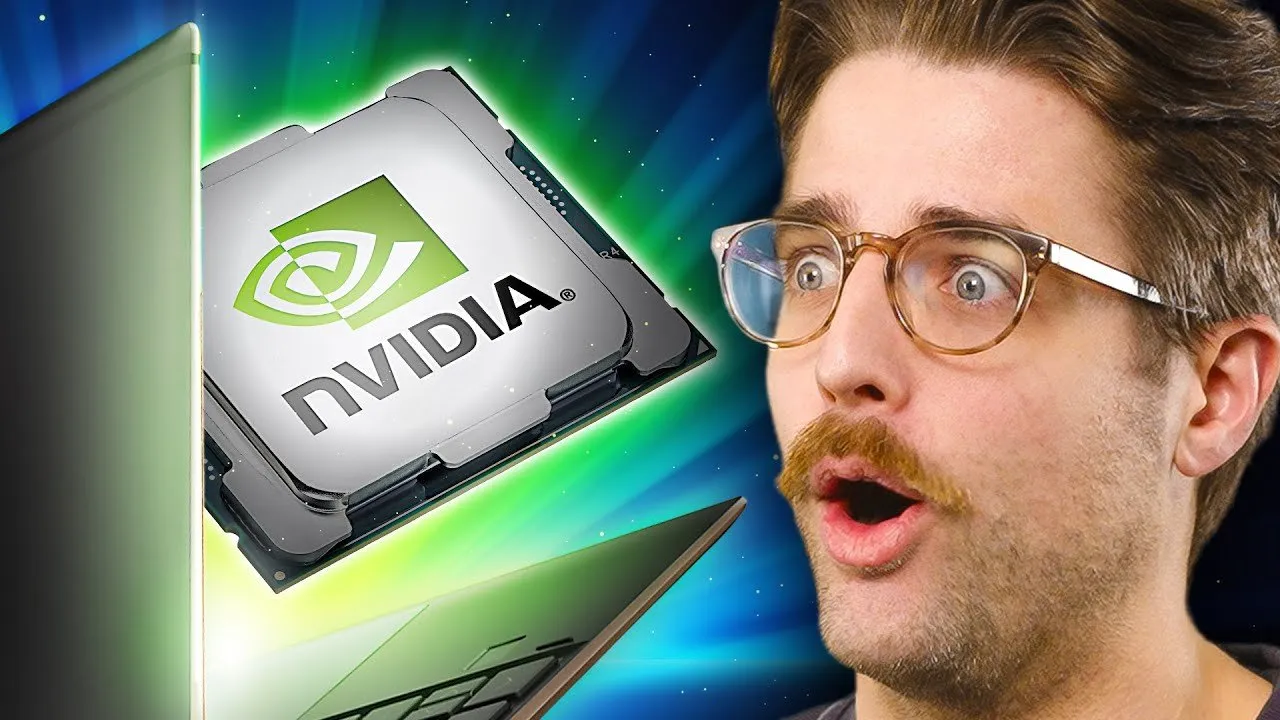
Nvidia is poised to disrupt the personal computing landscape with a high-performance Arm-based CPU slated for release in 2026, challenging the dominance of Intel and AMD in the Windows market. Simultaneously, the consumer electronics sector faces a significant restructuring as Sony enters a joint venture with TCL, effectively handing over manufacturing control of its iconic Bravia television line to optimize supply chain efficiency.
Key Developments
- Nvidia CPU Debut: Leaked roadmaps suggest Nvidia’s first consumer Arm-based CPU, the N1X, will launch in Q1 2026, targeting high-end laptops.
- Sony-TCL Joint Venture: Sony will transfer its TV and home audio business to a new entity 51% owned by TCL, aiming for operational commencement in April 2027.
- AI Sustainability Concerns: Microsoft CEO Satya Nadella warns that the AI sector risks losing "social permission" without tangible productivity gains, while Nvidia CEO Jensen Huang argues the infrastructure is still underbuilt.
- Regulatory & Hardware Updates: Apple secures a victory in French courts regarding ad tracking, while researchers achieve a breakthrough in stretchable OLED technology.
Nvidia Expands Client Computing Roadmap
Following years of speculation, supply chain leaks have confirmed Nvidia’s intent to enter the Windows laptop market with proprietary silicon. According to a shipping manifest for an unreleased Dell laptop and reports from DigiTimes, Nvidia’s debut Arm-based CPU, codenamed N1X, is scheduled for a Q1 2026 release. This initial launch will reportedly be followed by three additional variants in the second quarter, primarily targeting enterprise customers.
The N1X architecture appears to be derived from high-performance lineage. Sources indicate the chip utilizes the GB10 "super chip" architecture found in the DGX Spark, Nvidia’s compact professional workstation designed for AI development. This configuration features a 20-core Arm CPU integrated with a Blackwell-generation GPU, suggesting Nvidia aims to compete at the premium end of the performance spectrum.
Looking further ahead, an N2 series is already projected for Q3 2027. This move places Nvidia in direct competition with established x86 giants Intel and AMD, as well as Qualcomm, which has recently aggressively pursued the Windows-on-Arm market. The transition signals Nvidia’s strategy to leverage its dominance in AI and graphics to capture a share of the client computing ecosystem.
Sony Cedes Manufacturing Control to TCL
In a major strategic shift for the home entertainment market, Sony has announced a joint venture that will effectively outsource the manufacturing and logistics of its television and home audio divisions to Chinese electronics giant TCL. Under the terms of the agreement, TCL will hold a 51% majority stake, while Sony retains 49%.
While the products will maintain the Sony and Bravia branding, TCL will assume responsibility for product development, manufacturing, sales, and customer support. Sony’s contribution will focus on its proprietary picture processing, audio technology, and brand equity.
This partnership is widely viewed as a maneuver to combat thinning hardware margins by combining Sony’s premium market positioning with TCL’s massive supply chain scale and cost efficiency. Regulatory approvals are currently pending, with the new joint entity expected to become operational around April 2027.
Executive Clash on the AI Economy
As capital expenditure on artificial intelligence reaches historic highs, industry leaders are offering divergent views on the market's sustainability. Speaking at the World Economic Forum in Davos, Microsoft CEO Satya Nadella issued a caution regarding the industry's trajectory.
"The AI boom could falter or wobble if AI doesn't move beyond flashy demos into real everyday productivity gains. Otherwise, companies could lose the social permission to keep pouring electricity, chips, and money into these systems."
Conversely, Nvidia CEO Jensen Huang has pushed back against fears of an AI bubble. Huang argues that the sector is not overhyped but rather "underbuilt," maintaining that massive infrastructure investment is still required to transition AI from experimental phases to industrial transformation.
The pressure to monetize these investments is intensifying. Reports indicate that OpenAI is preparing to introduce advertising into ChatGPT, a move that signals a shift from pure growth to revenue generation for foundational model providers.
Market Watch and Innovation
Apple Wins Privacy Dispute in France
A French court has ruled in favor of Apple regarding its App Tracking Transparency (ATT) feature, rejecting claims from advertising groups that the tool constitutes an abuse of power. Advertisers argued that ATT, which requires user consent for cross-app tracking, reduced targeting effectiveness by nearly 50%. The court’s decision reinforces Apple’s ability to act as a gatekeeper for user data, despite critiques that the policy inadvertently strengthens Apple's own advertising ecosystem.
Display Technology Breakthrough
Researchers from the United States and South Korea have developed a stretchable OLED display capable of expanding to double its original size without suffering from brightness degradation. Utilizing ultra-thin "Maxine" electrodes and specialized organic layers, the team achieved a record 17% external quantum efficiency. This development marks a significant step toward viable, durable wearable displays that can withstand physical deformation.
Rumored GPU Delays
In the discrete graphics market, leaks suggest AMD may pause major gaming GPU launches until 2027. If accurate, this would leave 2026 largely devoid of new Radeon hardware, potentially giving Nvidia’s rumored RTX 50-series (and subsequent 60-series) a clear runway. The rumors imply AMD is prioritizing process node improvements and competitive positioning over rapid release cycles.
As 2026 approaches, the industry will be closely monitoring how legacy PC manufacturers respond to Nvidia's architectural incursion and whether the integration of TCL's manufacturing prowess can revitalize Sony's hardware margins.