Table of Contents
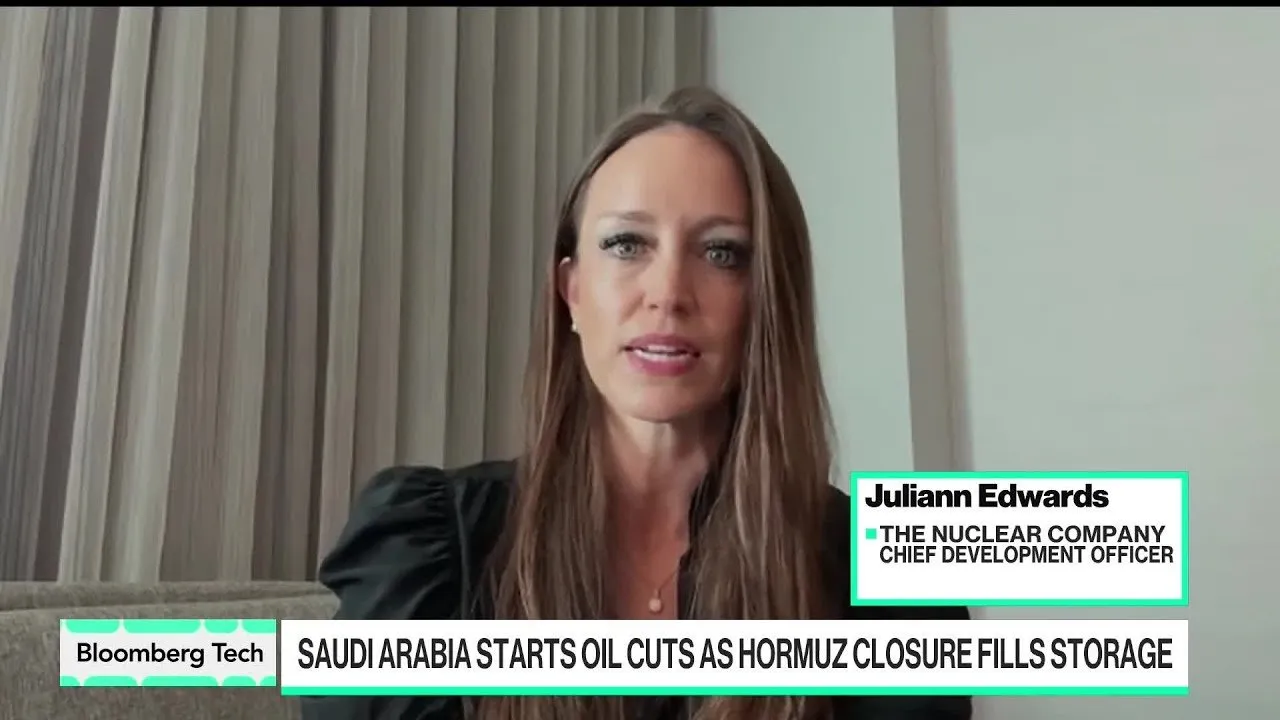
Escalating geopolitical tensions, particularly surrounding conflict in Iran, have reignited urgent discussions regarding American energy security and the role of nuclear power. As oil prices face upward pressure from global supply disruptions, industry experts and policymakers are increasingly viewing nuclear energy as a vital, dependable baseload power source capable of shielding the domestic grid from overseas market volatility.
Key Points
- Rising geopolitical instability has prompted a strategic pivot toward domestic, reliable energy infrastructure to reduce vulnerability to foreign supply shocks.
- Nuclear power remains a critical asset due to its high reliability, with plants consistently producing electricity 90% to 95% of the time.
- Regulatory reform is essential for the U.S. to compete with international timelines; while China manages to complete reactor builds in roughly seven years, U.S. projects typically face a 5-to-8-year build cycle following predevelopment.
- Global trends in Europe and the Nordics reflect a similar shift, as nations prioritize energy independence by integrating U.S. nuclear technology to move away from over-reliance on external gas supplies.
The Shift Toward Energy Reliability
While the investment community remains engaged with renewable technologies, recent market fluctuations have shifted the discourse from purely environmental concerns to the necessity of baseload reliability. Experts argue that the ability of nuclear plants to provide consistent, 24/7 power for 60 to 80 years makes them an indispensable pillar of national security. This perspective posits that environmental goals and energy security are not mutually exclusive but are instead reinforced by a robust nuclear energy sector.
The importance of reliability and dependability is coming to the forefront. Nuclear energy has long been a backbone of our electricity system, producing electrons 90 to 95% of the time.
The urgency to bolster this sector is being met with government initiatives designed to facilitate long-term capital projects. Programs such as investment tax credits, production tax credits, and the expanded capacity of the Department of Energy’s Loan Programs Office are currently serving as the primary levers to encourage industry-led development in the United States.
Regulatory Hurdles and Global Competition
A central challenge in the U.S. nuclear landscape remains the pace of project delivery. To regain its status in global energy infrastructure, the U.S. industry is focusing on streamlining regulatory pathways. Current efforts in Washington, D.C., are concentrated on fulfilling executive orders that mandate more sensible, efficient regulatory frameworks, which industry leaders argue will bridge the efficiency gap between American operations and international competitors like China.
In addition to regulatory reform, successful execution requires addressing the logistical "bench strength" lost during a three-decade hiatus in large-scale reactor construction. Current efforts are centered on the front-end requirements of "mega-projects," including land characterization, governance restructuring, and partnerships with established reactor design firms such as GE and Westinghouse.
Looking Ahead: The Export Potential
The focus on nuclear infrastructure is not limited to the United States. Following the energy vulnerabilities exposed by the war in Ukraine, nations across Europe and the Nordics are aggressively pursuing nuclear expansion to secure domestic energy sovereignty. This international demand presents a significant opportunity for the U.S. to export its advanced reactor technology.
As the U.S. works to modernize its own regulatory and construction processes, the industry is preparing to scale its operations to meet both domestic baseload demands and the growing international appetite for secure, zero-carbon energy. The coming years will likely be defined by the industry's ability to translate federal support into operational reactors, effectively securing the nation's energy future against an increasingly unpredictable global landscape.