Table of Contents
Nothing has officially expanded its smartphone lineup with the launch of the Nothing Phone 4A and 4A Pro. Rather than attempting to compete directly in the ultra-premium flagship space, the company has positioned these devices as refined mid-range alternatives, prioritizing software fluidity and unique hardware design over top-tier processing power.
Key Points
- Strategic Pricing: The Nothing Phone 4A launches at €349, while the 4A Pro is priced at $499, targeting a competitive slot between budget-focused devices and high-end flagships.
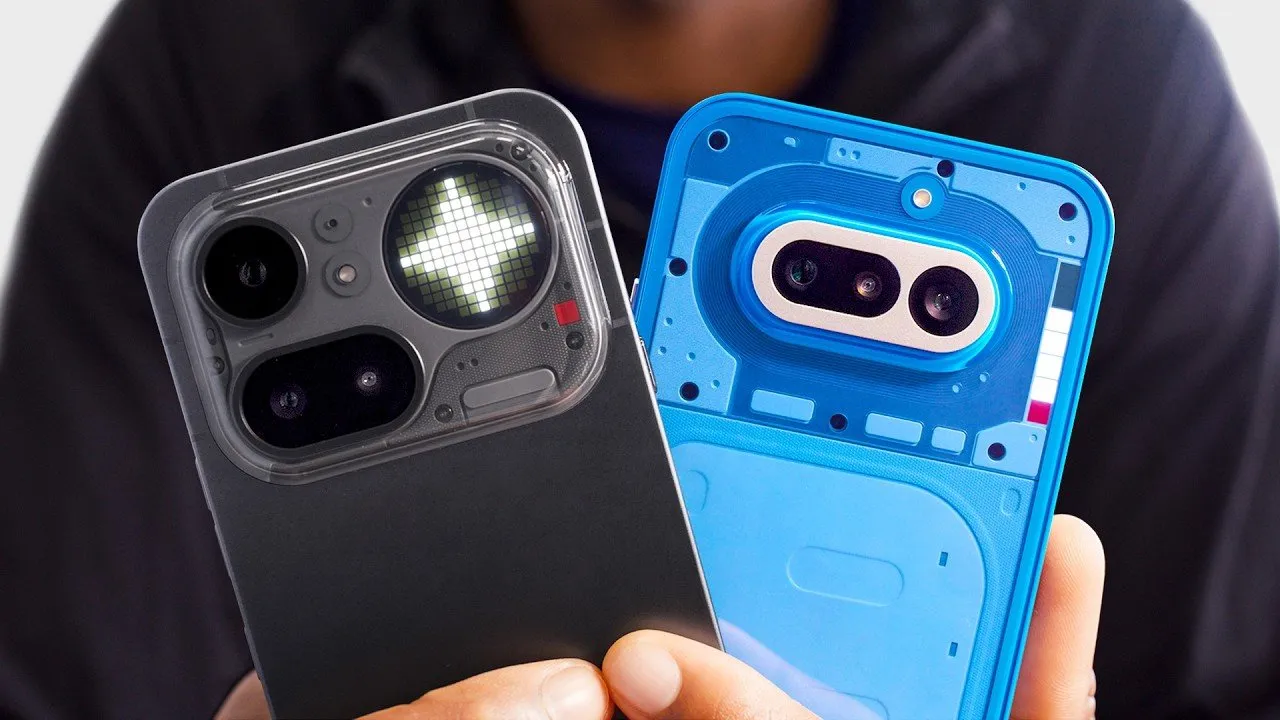
- Hardware Distinctions: The 4A features a plastic, semi-transparent design, whereas the 4A Pro upgrades to a unibody aluminum construction and a more advanced Glyph Matrix notification system.
- Strategic Pivot: Following the lukewarm reception of the $800 Nothing Phone 3, the company has abandoned the annual flagship cycle to focus on meaningful, incremental hardware and software updates.
- Optimized Performance: Both models utilize UFS 3.1 storage to improve app responsiveness, paired with Nothing OS 4.1, which emphasizes customization and community-driven widgets via the "Playground" platform.
A Shift in Strategy
The absence of a "Nothing Phone 4" indicates a calculated shift in the company’s manufacturing strategy. By avoiding the Snapdragon 8 Elite class of chips and the associated high costs of 16GB RAM configurations, Nothing is side-stepping the supply chain pressures that have plagued smaller manufacturers. According to the company, this allows them to avoid releasing a flagship "just for the sake of it," choosing instead to wait for technological advancements that offer genuine utility to the user.
"We're just not going to do a flagship this year. We're just not going to make a new flagship phone every single year just for the sake of it," stated Nothing leadership regarding their departure from the traditional annual release cycle.
Hardware and Design Philosophy
The Nothing Phone 4A stands out with its vibrant matte blue finish and a semi-transparent back that showcases the company's signature design aesthetic. Despite its budget-friendly price point, it includes a triple-camera array and a high-refresh-rate OLED display, features often cut from competing devices in this category. The 4A Pro, meanwhile, targets those seeking a more premium feel, utilizing cold, unibody aluminum that mimics the build quality of ultra-flagship devices.
The most distinctive feature remains the Glyph Interface. On the 4A, it functions as a functional light bar for notifications and progress tracking. The 4A Pro elevates this with a pixel-dot matrix display on the back, allowing users to customize specific icons for individual contacts or app notifications, encouraging a "face-down" user experience that reduces screen-time distractions.
Performance and Market Context
While both phones utilize capable mid-range silicon—the Snapdragon 7S Gen 4 in the 4A and the Snapdragon 7 Gen 4 in the Pro—the true strength lies in the software. Nothing OS 4.1 delivers a smooth, highly responsive interface that manages to feel faster than its specifications might suggest. However, the camera systems on both devices are functional rather than exceptional. With 8MP ultrawide sensors and serviceable main shooters, these devices are designed for everyday snapshots rather than professional-grade photography.
For prospective buyers, the Nothing Phone 4A presents the most compelling value proposition. While the 4A Pro offers a more premium metal chassis and advanced notification light functionality, both phones share similar limitations, such as the absence of wireless charging. The Pro model’s inclusion of a 140x digital zoom and a 144Hz display mode—which rarely reaches that frame rate in real-world application—serves as an "up-badging" that may not justify the $150 price premium for all users.
As the market continues to see rising costs for premium components, Nothing appears committed to carving out a niche as a lifestyle-focused brand. By leaning into their unique software identity and community-driven features, the company is betting that consumers value a distinct, customizable user experience over the marginal gains of the latest flagship processor.