Table of Contents
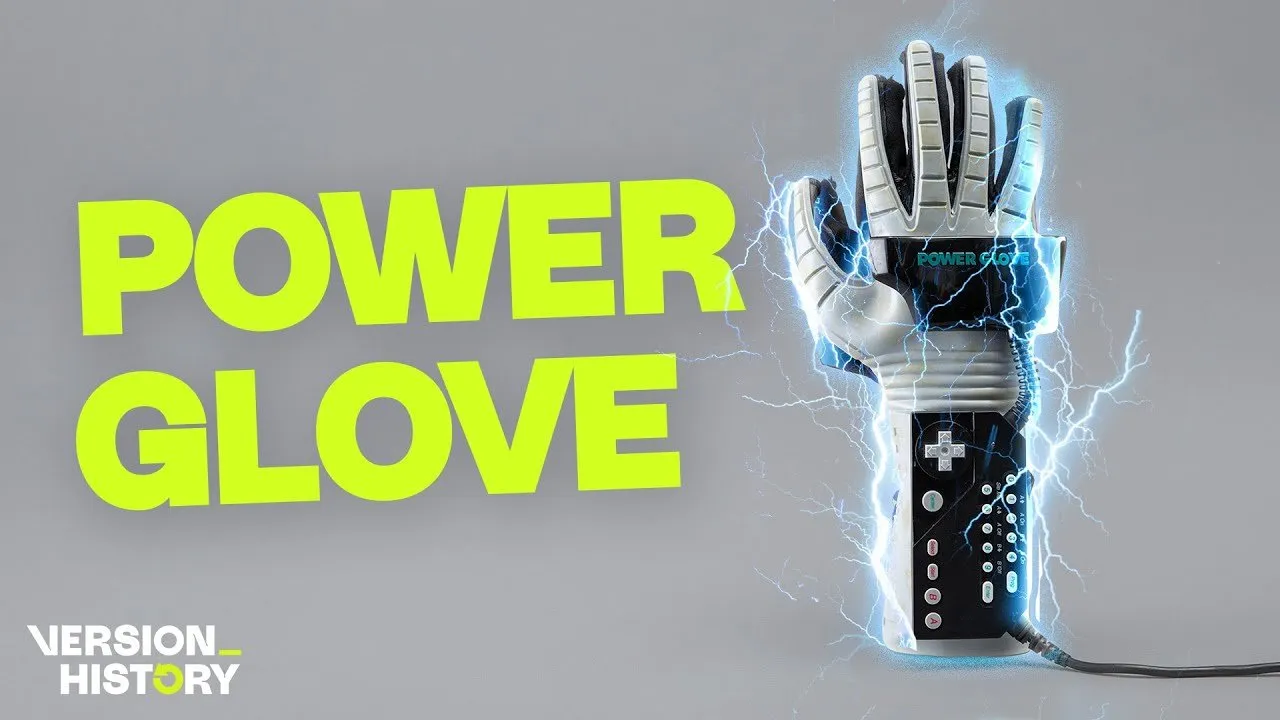
Nintendo and Mattel released one of gaming history's most notorious accessories in 1989: the Power Glove. Despite generating over 700,000 pre-orders at CES and featuring prominently in the film The Wizard, the motion-control device was discontinued within a year due to poor functionality and setup complexity. The $90 peripheral promised revolutionary hand-gesture gaming but delivered frustrating calibration requirements and limited game compatibility.
Key Points
- The Power Glove originated from MIT graduate Thomas Zimmerman's 1981 "virtual orchestra" concept using a $10 garden glove prototype
- VPL Research developed the sophisticated "data glove" technology used by NASA, costing $10,000 to produce
- Mattel engineered a consumer version for $23 production cost but required extensive setup and game-specific programming
- Over one million units sold despite lasting only 12 months on the market
- The device shipped without native software, with Super Glove Ball arriving nearly a year after launch
From NASA Technology to Consumer Disappointment
The Power Glove's journey began in 1981 when Thomas Zimmerman, an MIT graduate, created a motion-sensing system using LEDs and photo sensors embedded in a garden glove. His patent for the "flex sensor" caught the attention of Atari's R&D division, though the 1983 video game crash left Zimmerman without corporate backing.
Zimmerman partnered with Jaron Lanier, who coined the term "virtual reality," to form VPL Research. Their "data glove" used fiber optic cables and magnetic tracking to achieve precise hand movement detection. NASA became a customer, envisioning astronauts using the technology to perform external spacecraft work remotely.
"The whole thing cost him like 10 bucks," according to early reports about Zimmerman's prototype, which used simple light detection to track finger movement.
VPL's technology powered demonstrations costing $430,000, featuring dual-user virtual reality experiences with headsets resembling modern VR equipment. Scientific American featured the data glove on its 1987 cover, highlighting the "new bodily revolution in computing."
Nintendo Partnership and Production Challenges
Abrams Gentile Entertainment, makers of Rambo toys, discovered VPL's technology and approached Nintendo with a motion-control peripheral concept. The demonstration that convinced executives featured Mike Tyson's Punch-Out, where players could throw actual punches to control the game.
Nintendo agreed to license the technology but imposed strict requirements. The device needed to withstand 10 million finger bends for durability testing and maintain compatibility with every NES game. Most significantly, Nintendo mandated comprehensive instruction manuals due to the system's complexity.
Mattel transformed the $10,000 data glove into a mass-market product using conductive ink sensors and ultrasonic tracking. The final design required players to drape sensor arrays over their televisions and program the glove for each individual game using numerical codes.
Marketing Excellence, Technical Shortcomings
The Power Glove's marketing campaign became legendary, featuring the tagline "Everything else is child's play" and commercials depicting effortless gesture control. The 1989 film The Wizard provided crucial product placement, with the memorable line "I love the Power Glove. It's so bad."
However, real-world usage proved problematic. The device shipped with multiple instruction manuals, wall-mounted setup posters, and a customer service hotline charging $1.50 for the first minute. Players frequently called for help rather than navigate the complex calibration process.
"It's a whole thing. It never works," became the common user experience, according to early adopters who struggled with setup and game compatibility.
Software Gap and Market Exit
The Power Glove's fatal flaw was launching without native software. While Mattel reverse-engineered existing games for glove compatibility, no titles were designed specifically for motion control. Super Glove Ball, the first purpose-built game, didn't arrive until October 1990—the same month Mattel discontinued the peripheral.
The device required players to hold their arms extended while wearing the bulky glove, causing fatigue during extended play sessions. Games like Rad Racer allowed steering wheel gestures, but the half-second input lag and single-hand limitation frustrated users.
Despite selling over one million units and generating substantial revenue, negative word-of-mouth destroyed the product's reputation. Many owners relegated their Power Gloves to drawers, creating a generation of disappointed customers unlikely to purchase successors.
Cultural Legacy and Modern Relevance
The Power Glove's brief existence established it as a cultural icon representing late-1980s technological optimism. The device appears regularly in films, television shows, and retro gaming content, maintaining visibility decades after its discontinuation.
Modern makers and musicians have repurposed Power Gloves for digital art and chip-tune music creation, returning to Zimmerman's original vision of gesture-based creative tools. The device's hackable nature and distinctive aesthetic continue attracting hobbyist developers.
Nintendo's later motion-control successes, including the Wii Remote and current VR hand tracking, demonstrate the enduring appeal of gesture-based gaming. However, these modern implementations learned from the Power Glove's mistakes by launching with native software and simplified setup processes.
The Power Glove remains a cautionary tale about introducing revolutionary technology without adequate software support, while its iconic design and ambitious vision continue inspiring new generations of motion-control developers.