Table of Contents
The financial landscape has shifted dramatically in recent months. While digital assets like Bitcoin have historically captured the headlines for explosive growth, the current cycle is witnessing a rotation of capital that few anticipated with such intensity: the resurgence of precious metals. The "Metal Mania" is not merely a speculative bubble; it is being driven by a confluence of geopolitical instability, central bank hedging, and critical industrial demand.
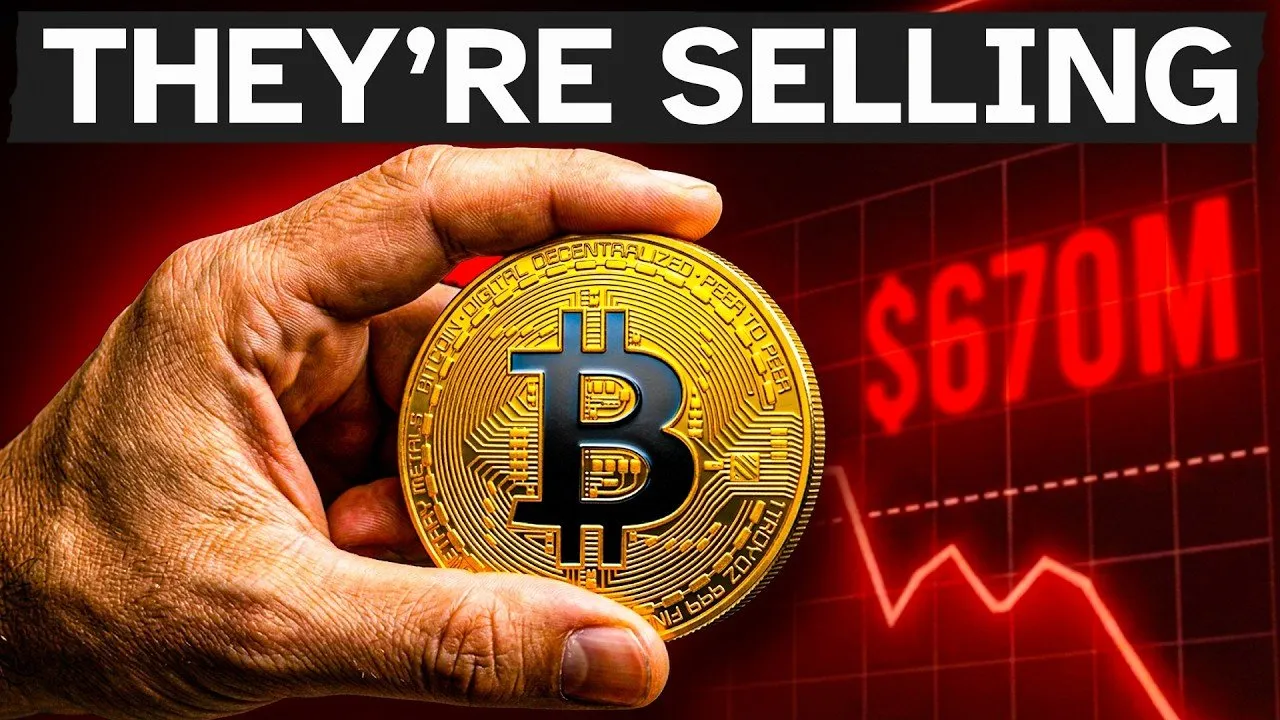
Investors who have traditionally relied on cryptocurrency as a hedge against debasement are finding themselves in a peculiar position. Gold and silver are breaking all-time highs, yet Bitcoin remains stagnant, leading many to question the "digital gold" narrative. Understanding this divergence requires looking beyond price charts and analyzing the structural deficits in commodities, the political polarization of crypto assets, and the macroeconomic uncertainty defining the latter half of the decade.
Key Takeaways
- Geopolitics Drives Gold: Central banks, particularly in China, are aggressively buying gold to hedge against the US dollar and geopolitical instability, creating a floor for prices.
- Industrial Demand for Silver: Beyond its monetary premium, silver is facing a structural deficit due to its essential role in solar panels and AI-driven data centers.
- Bitcoin’s Bear Market: Evidence suggests Bitcoin is currently in a cyclical lull or bear market, potentially weighed down by political associations and a rotation into tangible assets.
- The "Real" Asset Pivot: Investors are moving away from speculative "froth" (meme coins) toward hard assets like real estate, uranium, and commodities that cannot be printed.
- Labor Shortages Impact Real Estate: The housing market remains tight not just due to rates, but because of a critical shortage of skilled tradespeople (electricians, welders) to build new inventory.
The Geopolitical Case for Gold
The primary engine behind the current gold rally extends far beyond retail speculation. It is fundamentally rooted in a shift in global power dynamics. We are witnessing an acceleration of a process that has been simmering for years: a wider move away from the US dollar. While domestic political unpredictability plays a role, the sustainment of this rally is largely due to institutional behaviors.
Central banks have emerged as the dominant buyers in this cycle. Nations are seeking sovereign assets that are not controlled or held by foreign powers. The People’s Bank of China, alongside other central banks, has been a massive accumulator of bullion. This is a strategic hedge against the dollar, which has shown recent weakness, with the DXY hitting multi-year lows. As central banks secure their positions, institutional and eventually retail investors follow, creating a powerful momentum trade.
"In 2026, I think the world is more uncertain than it was in 2025, which wasn't all that long ago."
In an environment defined by bubbling tensions—from Venezuela to the Middle East and the Korean peninsula—gold offers 5,000 years of history as a safe haven. It acts as the "Bitcoin" of the metals market; when gold moves, it signals a shift in sentiment that eventually trickles down to other commodities. As long as the world continues to polarize and supply chains remain vulnerable, the demand for non-ferrous, sovereign assets is likely to persist.
Silver, Copper, and the Industrial Supercycle
While gold is driven by monetary premiums and fear, silver and copper are benefiting from a massive industrial supercycle. The narrative here is one of simple supply and demand. We are currently entering the sixth consecutive year of a structural silver deficit. Over the last half-decade, the world has consumed nearly 900 million more ounces of silver than it has produced.
The AI and Energy Connection
The explosion of Artificial Intelligence and the green energy transition are resource-intensive. You cannot build data centers, advanced microchips, or solar panels without raw materials. Silver is a critical component in photovoltaics, and with China cornering the solar market, demand remains relentless.
Similarly, the infrastructure required to power the AI revolution places immense pressure on copper supplies. We need to expand electricity grids and data transmission capabilities by significant multiples to meet projected AI demands. This has led to a market environment where investors are pivoting from the "froth" of technology stocks to the physical inputs required to build that technology.
"Speculation and momentum... things are moving in the way that they're supposed to move."
This reality has caught even seasoned metals dealers off guard. Silver hitting recent highs is not just about inflation; it is about the physical scarcity of the materials needed to power the next generation of technology.
Why Bitcoin is Sitting on the Sidelines
A common question facing the digital asset community is: Why isn't Bitcoin participating in the inflation trade? Despite the "digital gold" narrative, Bitcoin has lagged significantly behind precious metals in this specific leg of the cycle.
The Cycle and Sentiment
Bitcoin appears to be adhering to its own four-year cycle, which currently suggests a bear market or accumulation phase. Historically, buying Bitcoin at the end of a midterm year and selling post-halving has been the optimal strategy. Currently, we are likely in the "lull" period where price action is uninspiring. Furthermore, market sentiment has shifted. There is a tangible fatigue regarding the "frothiness" of the crypto industry—the meme coins, the scams, and the lack of tangible utility in many altcoins.
Political Polarization
A new and potentially damaging factor for Bitcoin is its increasing politicization. Gold and silver are politically neutral assets; they do not belong to a party. Bitcoin, conversely, has become increasingly associated with specific political movements in the United States. This polarization alienates a significant portion of the potential investor base who might otherwise view it as a neutral hedge. Until Bitcoin can reclaim its status as a politically agnostic asset, it may struggle to attract the universal capital inflows that gold enjoys.
Real Estate and Broader Market Strategies
The pivot to "real" assets extends beyond metals into real estate and equities. However, the real estate market is facing its own unique set of constraints. While Federal Reserve Chair Jerome Powell has noted a drop in activity, prices in many areas remain near all-time highs. This disconnect is largely due to a supply-side crisis.
We are facing a severe shortage of skilled labor. The economy needs hundreds of thousands of electricians, welders, and plumbers to service infrastructure and build new housing inventory. Capital cannot solve this problem alone; you cannot print a workforce. This labor shortage puts a floor on housing prices because new inventory cannot be brought to market fast enough to meet demand.
Diversification in 2026
Smart money is moving toward diversification. The "100% crypto" portfolio is becoming a relic of the past as investors mature. The current successful strategy involves a mix of:
- Precious Metals: For hedging and capitalizing on currency debasement.
- International Equities: Pivoting away from US-centric funds to international markets that may offer better value and less political uncertainty.
- Strategic Equities: Defense stocks, semiconductor manufacturing (like ASML), and data storage companies that serve as "beta plays" on the AI narrative.
"I feel like every generation gets to experience maybe two really massive rallies in metals... and I feel like this is one of them."
Conclusion
The financial markets are sending a clear signal: the era of speculative froth is pausing in favor of tangible reality. Whether it is gold bars, copper wiring for data centers, or residential real estate, capital is flowing toward assets that cannot be digitally replicated. While Bitcoin and the broader crypto market may have their time again, likely later in the decade, the current momentum belongs to the physical world.
Investors should avoid "marrying" their bags or becoming tribal about asset classes. Markets are dynamic. The ability to pivot from digital assets to commodities, or domestic stocks to international funds, is what separates successful wealth preservation from stagnation. The trend is currently your friend in metals, and fighting it based on past crypto cycles may be a losing battle.