Table of Contents
Emerging technologies showcased at CES have illuminated potential strategic gaps in Apple's product ecosystem, particularly regarding artificial intelligence integration, non-invasive health monitoring, and the growing consumer demand for "digital detox" devices. While Apple traditionally abstains from exhibiting at the trade show, industry trends suggest the tech giant faces increasing pressure to adapt its roadmap—potentially leveraging partnerships like its reported collaboration with Google’s Gemini—to maintain dominance ahead of its 50th anniversary.
Key Points
- Strategic Partnerships: Apple and Google have reportedly partnered to integrate Gemini models into Siri’s upcoming infrastructure, signaling a significant shift in Apple's AI development strategy.
- Digital Detox Hardware: A new wave of accessories, such as physical keyboards and secondary "mindfulness" phones, aims to reduce consumer dependency on iPhone screens.
- Health Innovation: Competitors are advancing in "no-prick" glucose monitoring and mental health tracking, features long-rumored for the Apple Watch but still pending FDA clearance.
- Emotive AI: Robotics and smart displays are moving toward anthropomorphic designs, suggesting future AI assistants may utilize visual avatars to build user rapport.
The Evolution of AI and Interface Design
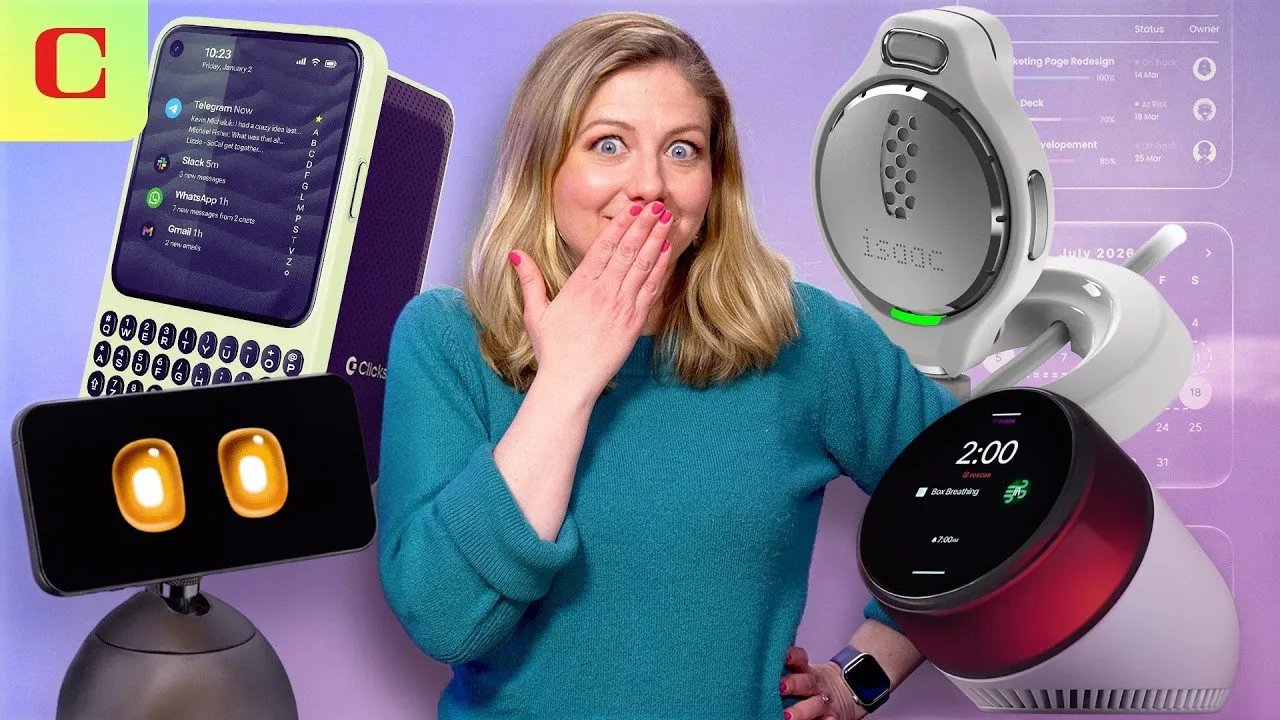
The competitive landscape for virtual assistants is shifting beyond simple voice commands toward generative AI and emotive interfaces. Following reports of a partnership between Apple and Google to bolster Siri using Gemini models, industry observers note that backend intelligence is only half the battle. Hardware innovations displayed at CES, such as the Luna DeskBate MagSafe stand, demonstrate a market appetite for AI that possesses "character."
These devices transform standard smartphones into anthropomorphic desk companions, utilizing screen animations to mimic facial expressions. This trend aligns with Apple's reported internal research into robotics and smart home displays. Analysts suggest that for Siri to compete effectively against increasingly "human" chatbots, Apple may need to introduce visual distinctiveness and personality traits to its software interface.
Hardware for the "Digital Detox" Era
A significant counter-trend observed at the expo involves technology designed to cure users of smartphone addiction. Startups are developing hardware specifically engineered to minimize screen time while maintaining connectivity. Clicks, a company known for physical smartphone keyboards, unveiled a MagSafe-compatible power keyboard and teased "The Communicator," a secondary device intended for messaging without the distractions of a full app ecosystem.
Similarly, the startup Ambient introduced the "Dreamy," a bedside device that combines lighting, music, and sleep tracking to discourage users from scrolling through their iPhones before sleep. These products highlight a growing consumer segment seeking to reclaim attention spans, challenging Apple to reconcile its engagement-driven app economy with user well-being.
Breakthroughs in Health Monitoring and Accessibility
Health tracking continues to move from general fitness metrics toward medical-grade diagnostics and emotional wellness. A standout development is the Isaac, a device currently under regulatory review, which measures blood glucose levels by analyzing acetone in a user's breath rather than via skin pricks. This technology represents a significant leap toward the "holy grail" of diabetic management—a feature Apple has reportedly pursued for the Apple Watch for years without yet reaching the market.
Simultaneously, the focus on mental health is sharpening. New wearables, such as the Mentor Ring 2, are designed to track energy levels and mood fluctuations. In the realm of accessibility, the Pocket Dot offers a MagSafe-attached display that translates screen content into Braille in real-time, reducing the reliance on audio feedback for the visually impaired.
"If Siri wants to win the AI assistant wars, it needs more than just Google's help. It's going to need a cute face. [I also noticed] a big drive to make tech to help cure us from iPhone addiction or get us away from looking at phone screens because of what the tech has done to our brains."
— Bridget Kerry, Tech Journalist and Host of One More Thing
As Apple approaches its 50th anniversary in 2026, the market anticipates substantial hardware updates, including rumored new iterations of AirTags with enhanced tracking capabilities. The integration of generative AI, potential regulatory breakthroughs in health sensors, and the industry-wide pivot toward "calm technology" will likely define the company's trajectory over the next 18 months.

![Bitcoin: An Unfortunate Pattern [Update]](/content/images/size/w1304/format/webp/2026/03/bitcoin-unfortunate-pattern-update.jpg)